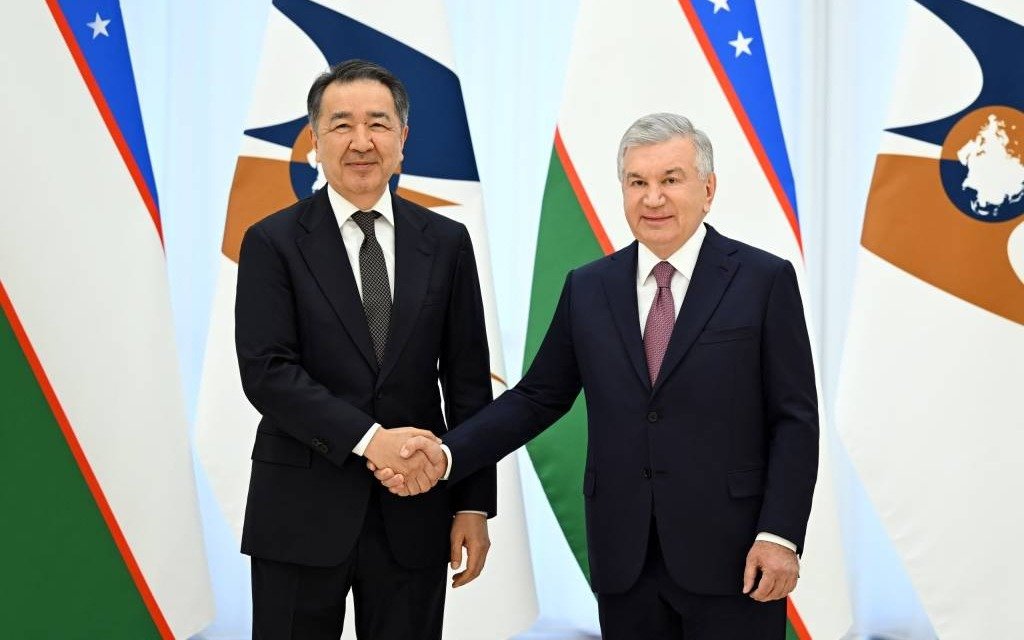
Russia says Germany wants war again after Leipzig drone accusation
Russian Foreign Minister Sergey Lavrov claimed Germany wants war again after Berlin accused Moscow of orchestrating a foiled drone plot at Leipzig/Halle Airport.
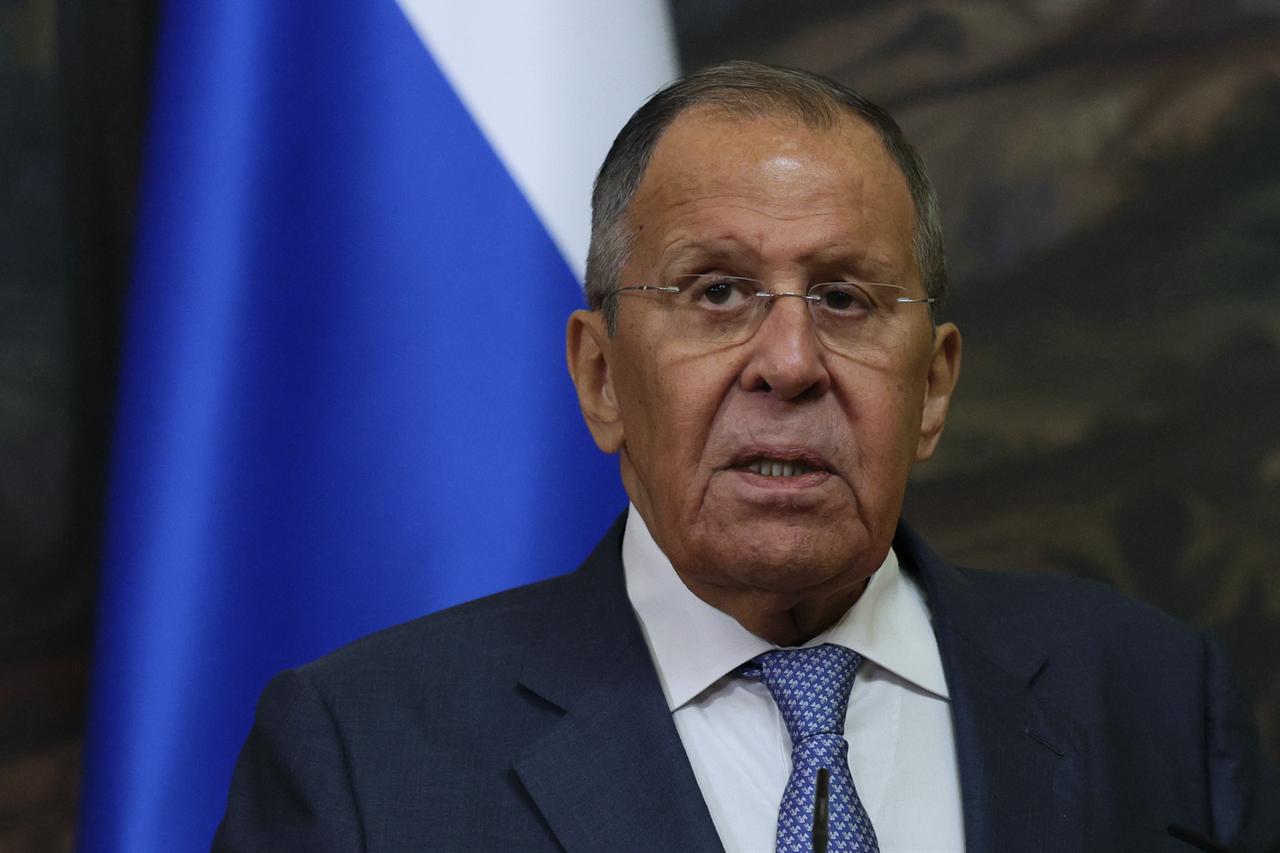
- Core Development: Russian Foreign Minister Sergey Lavrov claimed Germany wants war again after Berlin accused Moscow of orchestrating a foiled drone plot at Leipzig/Halle Airport.
- Beat Context: Categorized under Transport with independent corroboration.
- Reporting Depth: 4 minute analytical read synthesized from verified newsroom sources.
A diplomatic rupture deepened when Russian Foreign Minister Sergey Lavrov claimed that Berlin’s formal accusation of Moscow over a foiled drone incident marked the start of a real war. The remarks followed months of escalating tensions surrounding critical European infrastructure, and they underscore the growing friction between Moscow and European capitals over support for Ukraine.
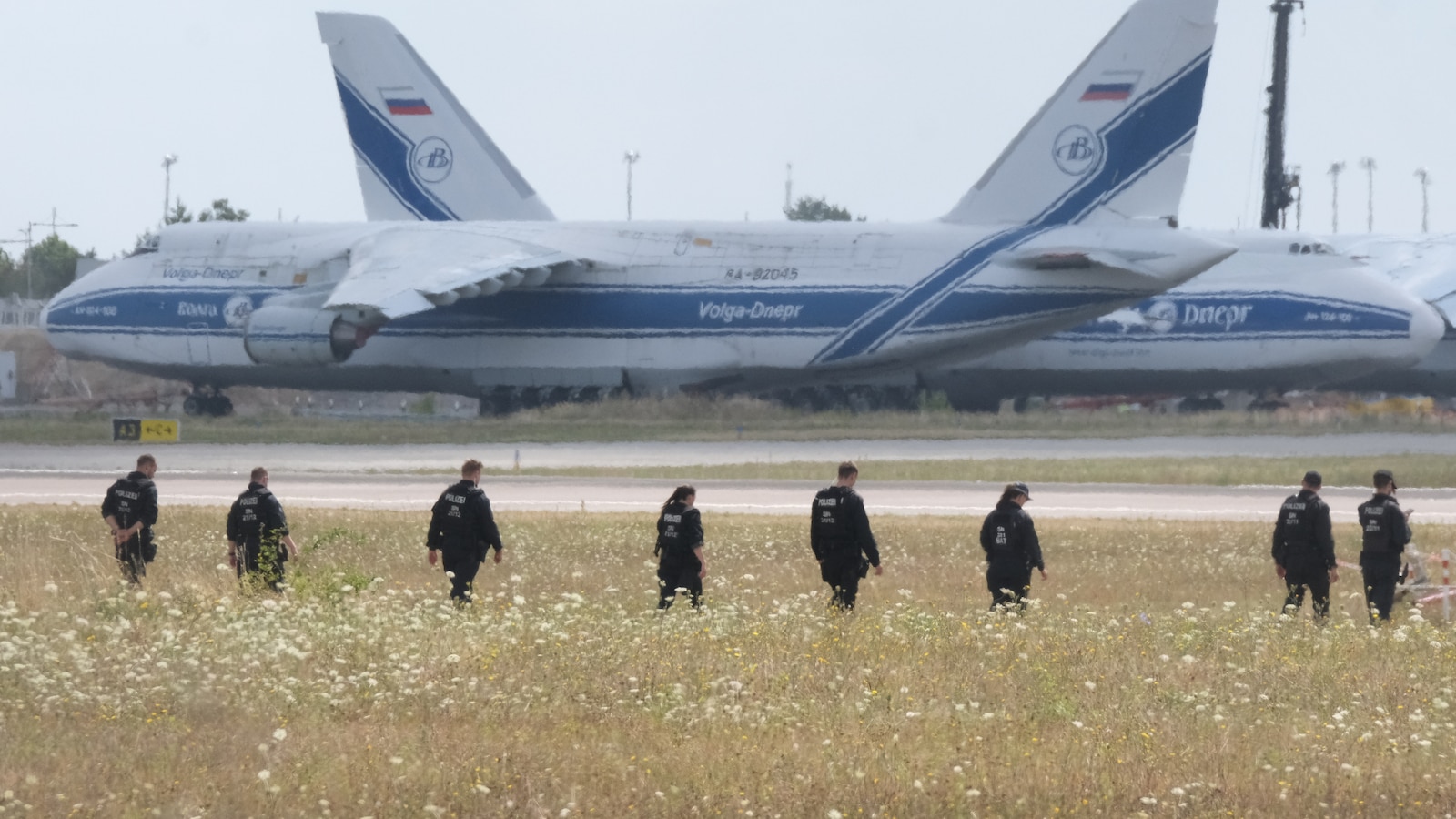
The diplomatic confrontation stems from an incident at Leipzig/Halle Airport in eastern Germany. According to investigations cited by German Interior Minister Alexander Dobrindt, an explosive-laden drone was discovered near Ukrainian cargo planes on August 4. Investigators determined the detonator failed, preventing detonation. A second drone collided with a nearby cargo aircraft, and a third apparatus was found near the airport ten days later. Berlin stated that the configuration, components, explosives, and detonator matched patterns identified from other Russian operations linked to the conflict in Ukraine.
Media additions

German Foreign Minister Johann Wadephul announced a series of retaliatory measures during a press conference in Berlin, where he confirmed that the Russian consulate in Bonn would be closed and the contract for the Russian House in Berlin terminated. Wadephul also confirmed that the Russian ambassador, Sergei Nechayev, had been summoned to the foreign ministry, according to reporting by Türkiye Today and the BBC. Additional measures announced by Wadephul included tighter entry controls for Russian nationals and increased pressure on Russia's shadow fleet of tankers used to circumvent Western sanctions.
Moscow swiftly rejected the findings. Russian President Vladimir Putin dismissed the allegations as absurd, accusing Berlin of planting evidence to frame Moscow and distract from domestic voter dissatisfaction. Russian Foreign Ministry spokesperson Maria Zakharova labeled Germany's actions an unprecedented escalation and stated that Moscow would respond in a mirror-image fashion, according to updates gathered by NewsCord. Speaking to state media, Lavrov escalated the rhetoric further by invoking historical parallels to World War II, stating that Germany wanted war again and criticizing the closure of Russian diplomatic missions.
Foreign policy analysts note that the diplomatic expulsions and closures mirror wider friction across the European Union, where foreign ministers have struggled to formulate a cohesive response that avoids direct military escalation with a nuclear-armed power. EU foreign policy chief Kaja Kallas stated during a meeting of the bloc's foreign ministers that the plot bore the hallmarks of state-sponsored terrorism. French Foreign Minister Jean-Noël Barrot reported that France summoned Russia's envoy to protest strongly and sought sanctions on additional shadow fleet ships.
| Entity | Announced Action / Position | Target / Response |
|---|---|---|
| Germany | Closed consulate, terminated cultural center contract, tightened visa controls | Russian consulate in Bonn / Russian House in Berlin |
| European Union | Preparing additional travel bans, asset freezes, and sanctions | Shadow fleet and targeted Russian officials |
| Russia | Promised mirror-image retaliation and dismissed allegations | Diplomatic expulsions and closure of German cultural ties |
The incident at Leipzig/Halle Airport is part of a broader wave of suspicious infrastructure disruptions across Europe. Polish Prime Minister Donald Tusk highlighted separate investigations into recent sabotage attempts, including a destructive fire at a major drone component manufacturer in Poland. Meanwhile, European leaders, including NATO Secretary-General Mark Rutte and EU Commission President Ursula von der Leyen, expressed full solidarity with Berlin, warning that the hybrid campaign represents a direct threat to regional security. Von der Leyen noted that the EU was preparing additional sanctions against Russia.
German authorities also investigated separate incidents involving improvised explosive and incendiary devices discovered at a power substation in Brandenburg, which caused a temporary power outage, alongside a deliberate short circuit at a substation near Cologne. While interior ministers noted that foreign powers could not be ruled out, investigations continued.
What happens next depends on the adoption of broader European Union sanctions packages, which require unanimous agreement among member states and typically take weeks to clear review processes. Meanwhile, the German government seeks parliamentary approval for planned reforms to grant its intelligence services broader powers to disable sabotage and hacking attempts.
How significant is this development?
Contribute your assessment to the aggregated reader sentiment ledger.
Frequently Asked Questions
Key questions answered in this reportWhat is the key development in: Russia says Germany wants war again after Leipzig drone accusation?
Russian Foreign Minister Sergey Lavrov claimed Germany wants war again after Berlin accused Moscow of orchestrating a foiled drone plot at Leipzig/Halle Airport.
Why is this Transport development significant for the UK?
This report covers critical events in our Transport beat. Independent reporting monitors related UK statements, regulatory shifts, and public responses as further verified details emerge.
How was this reporting corroborated and verified?
Newsarchy UK compiles and cross-references reporting from primary reporting from CBC and cross-checked wire reports. All coverage adheres to published editorial standards.
When was this report published?
This briefing was published on September 6, 2026 and is permanently cataloged in the Newsarchy UK Transport archives.