Russian drone strikes near Polish border raise NATO security fears
A Russian drone strike near the Polish border hit railway transport infrastructure, prompting regional leaders to condemn the escalation and urge stronger defenses.

The western front of the conflict in Ukraine shifted closer to the security architecture of the West after Russian munitions struck dangerously close to European Union and NATO borders. According to reporting from Ibtimes, a Russian drone struck in Yahodyn, while the Polish border guard noted the impact site sat approximately 800 meters from the Polish border. Ukrainian Foreign Minister Andrii Sybiha warned that the action represents a direct threat to neighboring nations, stating that the assault serves as proof that Russian aggression is knocking directly on the doors of the West. The incident follows months of mounting anxiety regarding hybrid warfare, aerial border violations, and transport vulnerabilities across the Aljazeera reporting network.
The proximity of the latest kinetic strikes has ignited serious concerns among regional officials. Ukrainian state railway operator Ukrzaliznytsia reported that a drone struck the locomotive of a passenger train in the Volyn region, approximately 2 kilometers from the border, though no injuries were recorded. Adding geopolitical weight to the timing, Ukraine's rail operator confirmed that a diplomatic train carrying former British Prime Minister Boris Johnson and security advisers from several EU member states, alongside another train carrying former US CIA Director David Petraeus, were present at Yagodyn station around the time of the attack, as covered by Aljazeera. Polish Prime Minister Donald Tusk warned that the increasing deployment of fast, jet-powered long-range strike drones by Moscow presents a severe hazard to regional stability.
Media additions

The latest border-adjacent strike arrives in a volatile context defined by previous airspace incursions. As documented by Ibtimes, a Russian Kh-101 cruise missile breached Polish airspace on July 30, crashing in an uninhabited area near Tarnawa-Kolonia, prompting Warsaw to summon the Russian ambassador-designate. Furthermore, separate multi-drone airspace breaches led to emergency responses, with ABC7 Los Angeles reporting that Polish Prime Minister Donald Tusk stated at least 19 Russian drones entered national airspace during a subsequent mass incursion, with local military forces successfully shooting down at least three units and labeling the action an unprecedented act of aggression.
European and transatlantic defense structures are grappling with how to formulate a unified response. According to Institute for the Study of War assessments, European defense ministers recently convened to discuss establishing a coordinated drone wall along the eastern border to detect, track, and intercept unauthorized aerial craft. EU Commissioner for Defense and Space Andrius Kubilius emphasized that Russia is actively testing Western resolve, requiring a firm and immediate capability upgrade. Meanwhile, analysts at the Atlantic Council argue that Europe must urgently absorb lessons from Ukraine's multi-layered air defense systems, mobile gun crews, and rapidly scaling interceptor drone networks.
| Incident Date | Location / Target | Nature of Incursion | Official Response |
|---|---|---|---|
| July 30 | Tarnawa-Kolonia, Poland | Kh-101 cruise missile breached airspace | Polish Foreign Ministry summoned Russian ambassador; fighter jets scrambled |
| September 13 | Yahodyn, Ukraine-Poland border | Drone struck railway locomotive near border crossing | Temporary border closure; leaders condemned escalation |
| Mid-September | Polish National Airspace | Mass entry of multiple drones | Prime Minister Tusk reported interception of multiple units; military declared act of aggression |
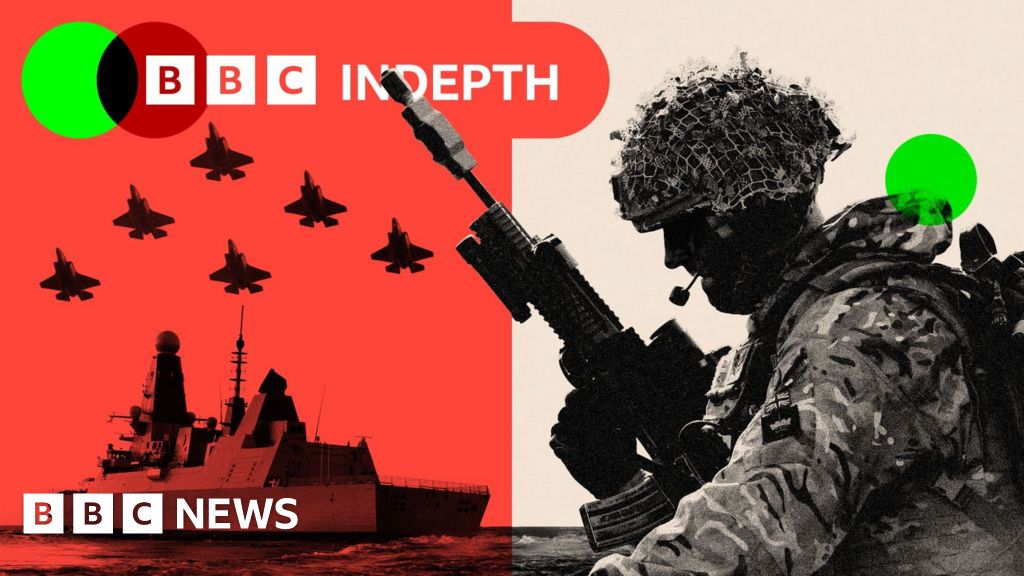
As the conflict tests the resilience of Western logistical routes and civilian infrastructure, broader debates persist regarding military readiness. The BBC highlighted warnings from defense analysts and think tanks regarding shortfalls in European and British ammunition reserves, air defenses, and mass-force generation compared to Russia's wartime economy. While political figures maintain that defense investments and modernization programs are underway, military commanders remain on high alert along the eastern frontier.
What happens next depends heavily on upcoming political decisions and security summits. European defense officials are expected to finalize details regarding the proposed border drone wall initiative, while NATO command reviews its collective rules of engagement for cross-border projectile incursions. Regional governments are concurrently auditing civil bomb shelters and reinforcing electronic warfare jamming capabilities to deter further hybrid provocations from Moscow.