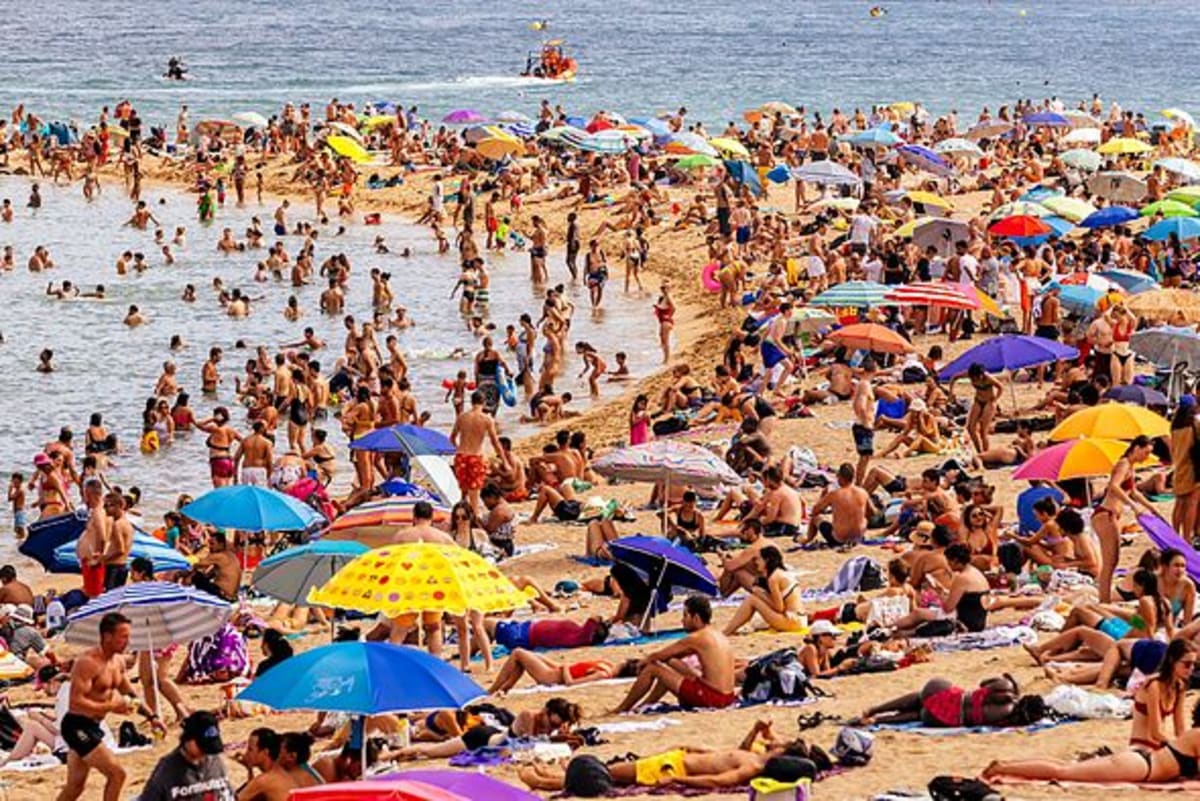
Spain issues travel chaos warning ahead of nationwide general strike
Britons traveling to Spain face severe transport disruption as a nationwide general strike, digital border queues, and unsettled weather collide.

Britons heading to Spain face severe travel disruption on Thursday November 11 as a nationwide general strike, digital border queues, and unsettled weather collide.
Travelers planning trips to Spain this week have been warned to expect chaotic scenes across aviation, rail, and public transport networks, according to reports from the Express and Aol. Major trade unions called a twenty-four-hour general strike across all sectors over working conditions and housing costs. This industrial action coincides with ongoing high-speed rail disruptions, severe weather alerts, and stricter entry checks for British citizens, as detailed by The Traveler.
Media additions
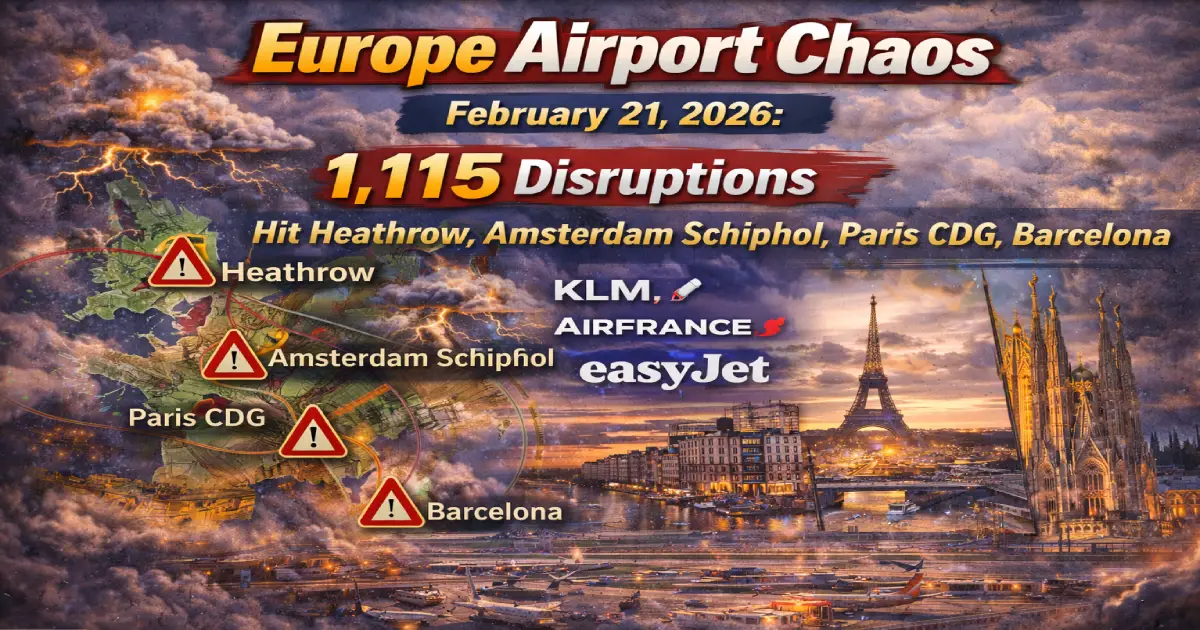
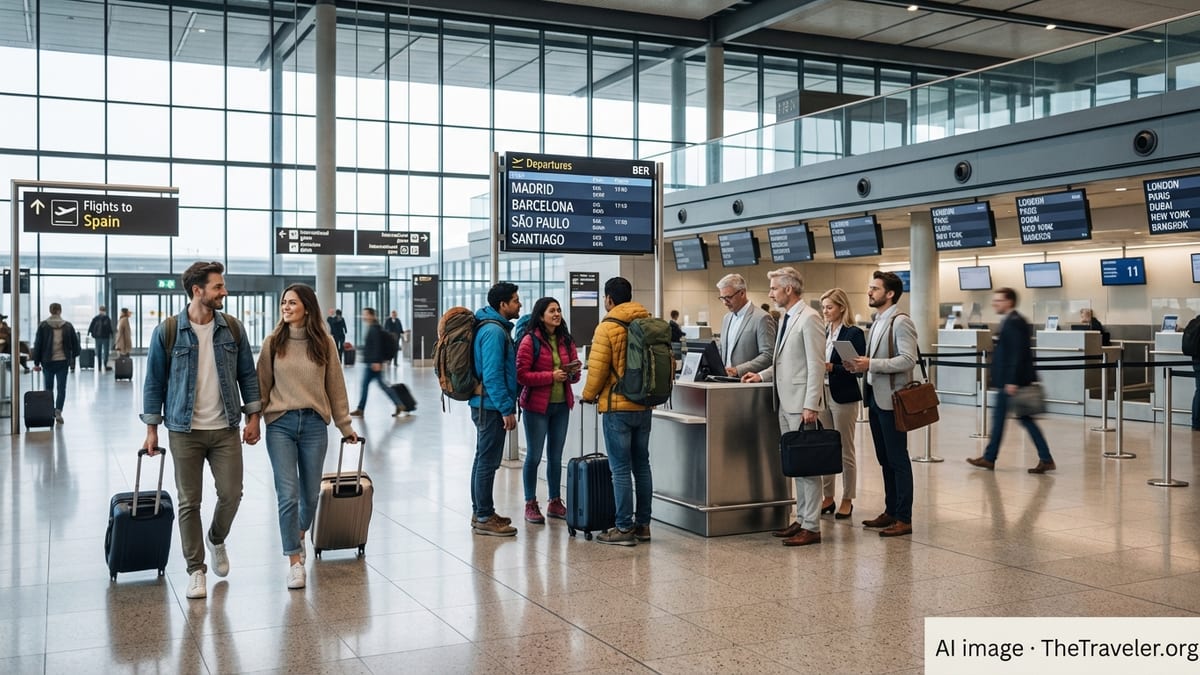
Spanish authorities have established minimum service levels, though these still mandate significant cuts to regular operations. Short domestic routes face the heaviest reductions, while international and island routes retain higher guaranteed capacities.
| Route Type | Guaranteed Madrid Operation Level |
|---|---|
| Short Domestic Routes | 32% |
| International Flights | 57% |
| Island Routes | 78% |
Ground handling and air traffic control absences are expected to compound airport delays. Travel Tourister notes that European aviation networks have already experienced severe strain from continent-wide congestion and rotation failures. In Spain, state-run railway company Renfe will operate reduced schedules, running seventy-five percent of commuter trains during peak hours and fifty percent during off-peak times. High-speed AVE and long-distance services will operate at seventy-three percent capacity.
Regional transport arrangements vary significantly. Madrid's Metro will run eighty percent of its services during peak hours and fifty percent otherwise, with city buses operating at half their usual frequency. Catalonia has imposed much tighter restrictions, guaranteeing just twenty-five percent of public transport services during morning and afternoon rush hours, with no guaranteed services outside those windows.
Essential services will remain open, but hospitals, schools, and public transport will operate with reduced staff. Routine appointments and non-urgent operations may face cancellation or postponement, while emergency rooms, intensive care units, and maternity wards continue operating. Emergency services will maintain mandatory staffing levels, and police officers, members of the Guardia Civil, and armed forces are prohibited from striking.
Compounding the transit chaos, UK passport holders face longer wait times at border control now that digital border systems are active and formal congestion-pause exemptions have expired. Passengers must register facial biometrics and fingerprints upon arrival. Furthermore, Ryanair has implemented a stricter baggage check-in cutoff, closing bag drop desks sixty minutes before scheduled departure rather than the previous forty minutes.
Political tensions underscore the industrial unrest. Carlos Cuerpo, holding the roles of First Deputy Prime Minister and Economy Minister, assumed transport duties following the resignation of Oscar Puente after the Toledo train crash. Cuerpo held talks with unions but failed to avert the walkouts, which occur less than three weeks before the general election scheduled for November 29. Semaf stated it will not call off stoppages without concrete, material, and verifiable safety measures.
What to Watch Next
- Monitor airline and rail notifications closely on November 11 and anticipate rolling delays or out-of-position stock affecting Friday schedules.
- Prepare for localized roadblocks and traffic congestion in major cities due to planned and spontaneous demonstrations.
- Review travel insurance policies covering industrial action and severe weather.
Explore further updates via our Transport coverage, or read previous reports on Spain nationwide strike transport disruption, Spain travel disruptions on November 11, and related international actions such as the Italy train and transport strike postponed by government order.