Trump backs plan to trade Russian prisoner releases for sanctions relief
The White House has endorsed a proposal linking the release of political prisoners to the easing of US economic sanctions against Russia and Belarus.

- Core Development: The White House has endorsed a proposal linking the release of political prisoners to the easing of US economic sanctions against Russia and Belarus.
- Beat Context: Categorized under Transport with independent corroboration.
- Reporting Depth: 4 minute analytical read synthesized from verified newsroom sources.
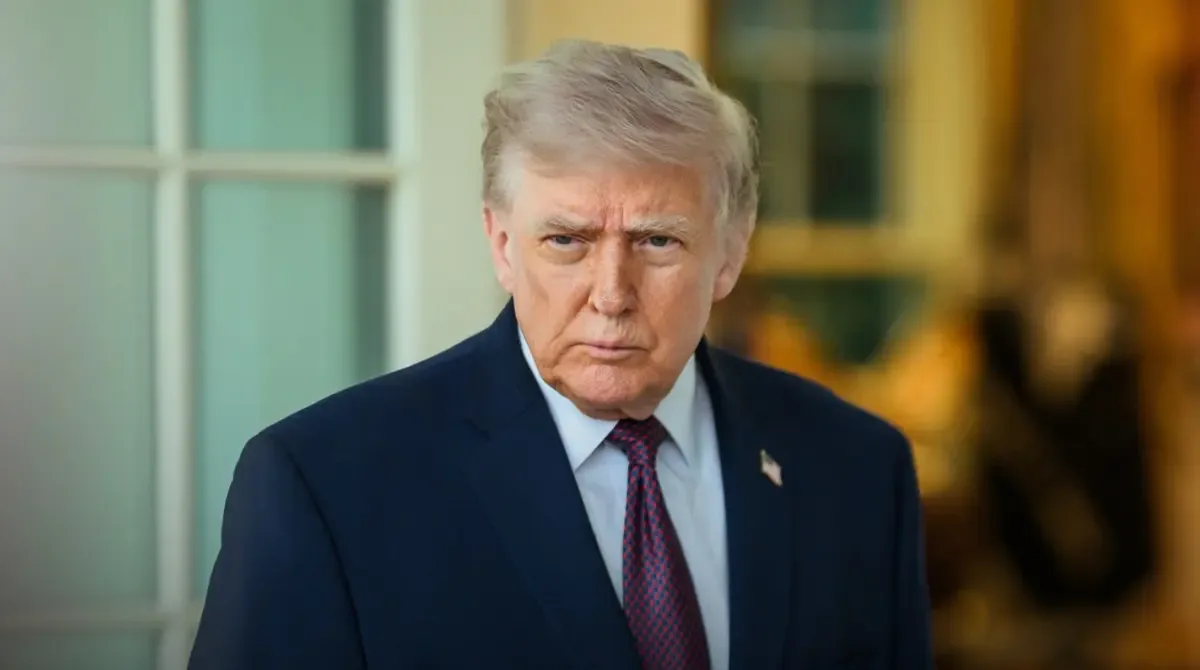
A Cold War-era negotiating tactic has returned to Washington under the direction of the White House, linking the release of political prisoners directly to the relaxation of economic sanctions against authoritarian regimes in Eastern Europe. US presidential special representative John Cole proposed the strategy, which has won the backing of Donald Trump to test whether humanitarian concessions can unblock broader diplomatic relations with Moscow and Minsk.
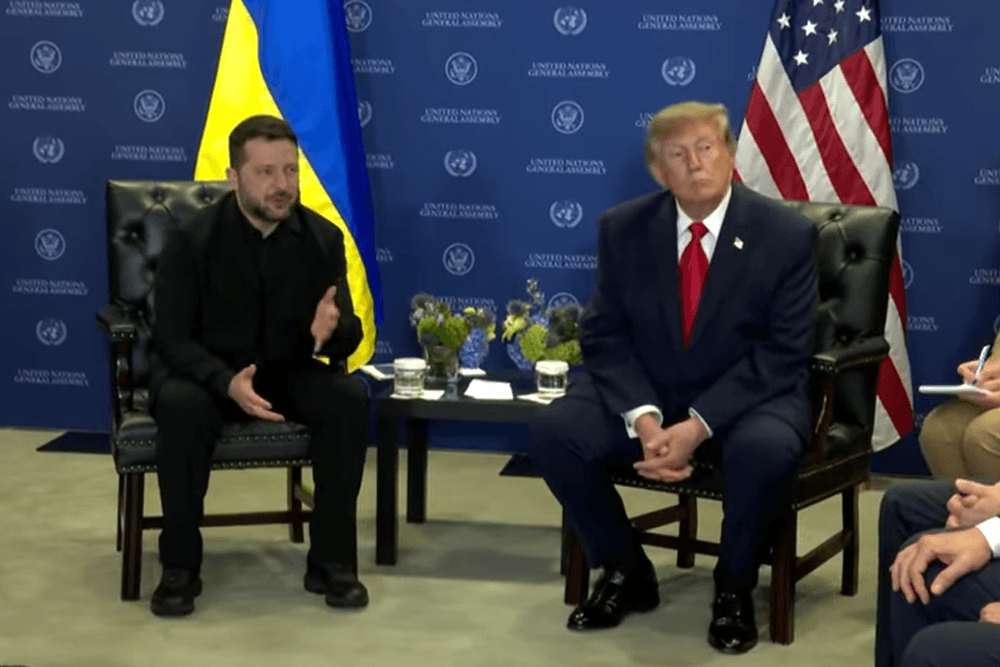
The emerging framework seeks to expand negotiations beyond the ongoing conflict in Ukraine by opening channels for commodities trade, including oil, diesel fuel, and rare-earth minerals. Proponents argue that increased economic and humanitarian interaction provides a stepping stone toward a lasting peace agreement. Ukrainian authorities and regional allies view the initiative with deep alarm, cautioning that any financial lifeline handed to the Kremlin or its allies directly extends the war.
Media additions
The strategy draws heavily on precedent established in negotiations with Belarusian self-proclaimed leader Alexander Lukashenko. Over the course of multiple meetings, Cole secured the release of hundreds of detainees, including high-profile political figures. In exchange, the United States eased restrictions on several Belarusian entities. Those moves culminated in the Treasury Department's Office of Foreign Assets Control removing Belaruskali and the Belarusian Potash Company from the sanctions list. Washington also worked to facilitate the release of millions of dollars in frozen Belarusian funds.
Those agricultural discussions gained urgency due to supply chain vulnerabilities and trade frictions with traditional partners. The United States relies heavily on foreign sources for agricultural inputs. According to the US Geological Survey, net import reliance on potash amounted to approximately ninety-two percent of domestic consumption. A vast majority of those imports historically originated in Canada. Amid tariff disputes and soaring global fertilizer prices driven by geopolitical conflicts in the Middle East, the Trump administration pursued Belarusian reserves as a cheaper alternative to protect domestic farmers and ranchers.
The potential trade pivot has created immediate friction with European partners. While Washington has moved to restore commercial ties, the European Union maintains strict sectoral restrictions. European prohibitions on Belarusian potash imports and transit remain in force. Without access to the Lithuanian port of Klaipėda—which halted shipments—any product purchased by the United States would likely require transport through Russian territory. Lithuanian officials confirmed that Washington has not approached Vilnius regarding transit arrangements, and regional leaders continue to enforce strict sanctions regimes.
The diplomatic maneuvering extends directly to Moscow. Following meetings in the Kremlin between US envoys and Vladimir Putin, discussions have turned toward applying the prisoner-for-sanctions model to Russian detainees. The initiative was initially prompted by Russian dissident Dmitry Muratov, who presented lists of imprisoned journalists, activists, and cultural figures. While humanitarian releases have secured the freedom of individuals such as American teacher Bob Gilman, critics note that the arrangement offers the Kremlin diplomatic leverage without requiring concessions on the battlefield.
The divergence in strategy has strained relations between Washington and Kyiv. Ukrainian negotiators argue that economic deals allow Moscow to replenish its military budget and continue its bombardment of energy infrastructure and urban centres. Despite American mediation efforts aimed at securing limited ceasefires and protecting shipping lanes in the Black Sea, skepticism remains high across the region. Democratic opposition figures in Belarus have likewise warned that trading sanctions relief for detainees encourages authorities to simply detain new political hostages.
The following table outlines the comparative reliance on key agricultural imports and the divergent regulatory stances across major jurisdictions:
| Jurisdiction / Entity | Primary Potash Import Reliance | Current Sanctions Status on Belarusian Potash | Stance on Diplomatic Reset |
|---|---|---|---|
| United States | Approx. 92% net import reliance (historically 79% from Canada) | Lifted for key entities (Belaruskali, BPC) by OFAC in March | Actively pursuing large-scale fertilizer deals and prisoner swaps |
| European Union | Dependent on diversified international supply chains | Strict import and transit bans extended through February | Resistant to premature normalization; maintains restrictive measures |
| Belarus | Major global producer (traditionally accounts for significant world supply) | Seeking alternative export routes through Russia and global markets | Utilizing prisoner releases to negotiate economic reintegration |
As diplomatic contacts continue, the administration faces mounting pressure from congressional allies and international partners over the long-term security implications of the initiative. Future developments will depend heavily on the formal appointment of special envoys, upcoming international summits, and whether subsequent prisoner releases materialize.
How significant is this development?
Contribute your assessment to the aggregated reader sentiment ledger.
Frequently Asked Questions
Key questions answered in this reportWhat is the key development in: Trump backs plan to trade Russian prisoner releases for sanctions relief?
The White House has endorsed a proposal linking the release of political prisoners to the easing of US economic sanctions against Russia and Belarus.
Why is this Transport development significant for the UK?
This report covers critical events in our Transport beat. Independent reporting monitors related UK statements, regulatory shifts, and public responses as further verified details emerge.
How was this reporting corroborated and verified?
Newsarchy UK compiles and cross-references reporting from primary reporting from mezha.net and cross-checked wire reports. All coverage adheres to published editorial standards.
When was this report published?
This briefing was published on September 29, 2026 and is permanently cataloged in the Newsarchy UK Transport archives.