Trump’s plan to revive sanctioned tankers may do little to ease oil prices
A U.S. initiative to rehabilitate and return blacklisted supertankers to the global market may struggle to attract more than a small fraction of the dark fleet due to high freight earnings and complex compliance hurdles.
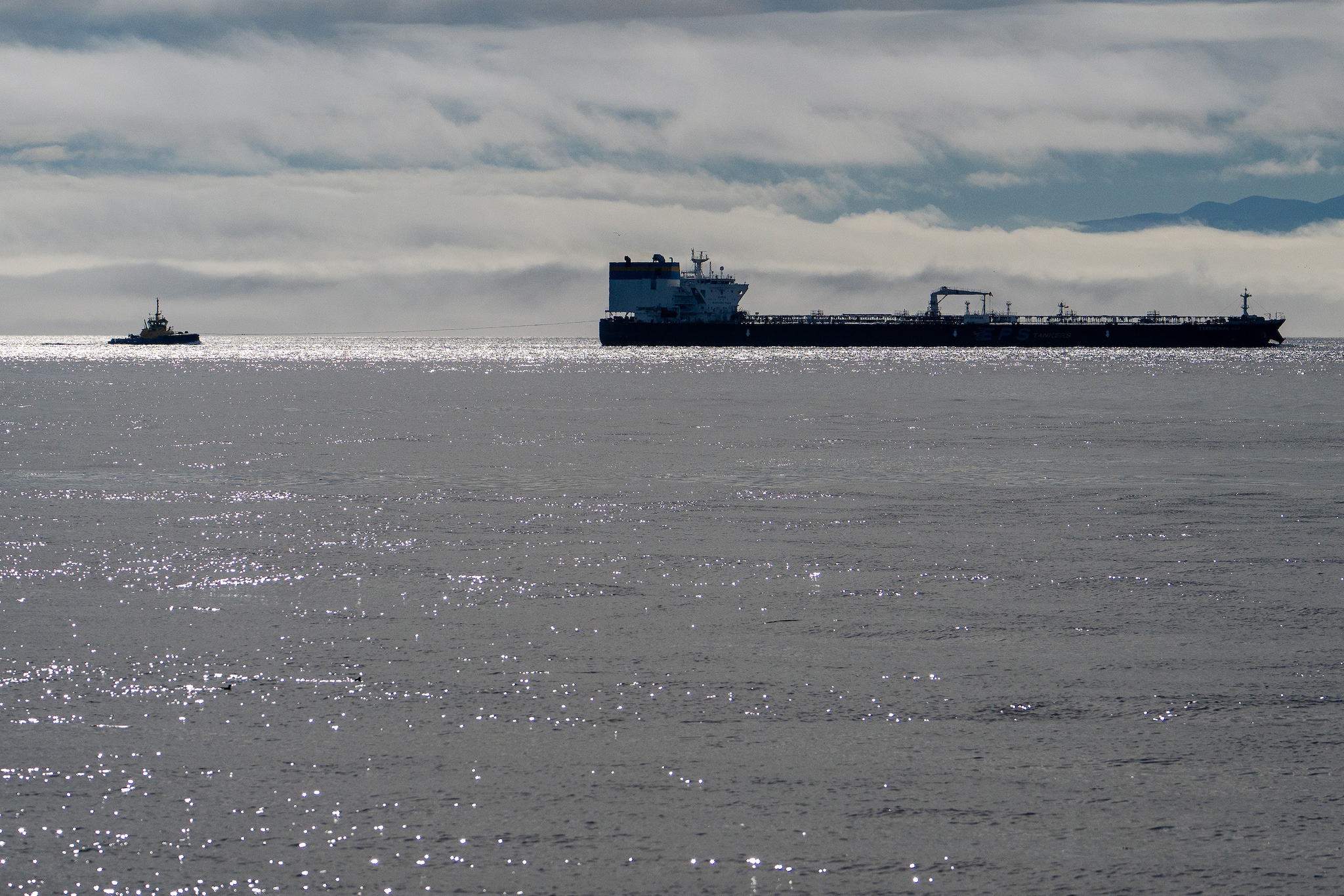
- Core Development: A U.S. initiative to rehabilitate and return blacklisted supertankers to the global market may struggle to attract more than a small fraction of the dark fleet due to high freight earnings and complex compliance hurdles.
- Beat Context: Categorized under Transport with independent corroboration.
- Reporting Depth: 3 minute analytical read synthesized from verified newsroom sources.
A United States initiative to rehabilitate and return blacklisted supertankers to the global market may struggle to attract more than a small fraction of the so-called dark fleet, according to shipping analysts. The policy shift comes as the administration attempts to cool soaring crude and fuel prices driven by ongoing conflicts, though experts warn that complex compliance hurdles, pre-existing contracts, and exceptionally high freight rates leave shipowners with little financial incentive to participate.
The measure was detailed as part of a broader push by the administration to address mounting affordability concerns among voters over high gasoline and diesel costs. Soaring fuel prices have placed pressure on domestic transport and logistics sectors, prompting the White House to explore multiple avenues for relief, including periodic waivers on sanctioned oil and a controversial diesel export arrangement with Russia, as reported by Moneycontrol.
Media additions



Under the proposal outlined by Energy Secretary Chris Wright, blacklisted vessels can be sold to rejoin the legitimate fleet through a "conversion" process, though existing sanctions will remain formally in place. Previous administrative actions have demonstrated a willingness to clear specific vessels under certain conditions, such as the supertanker Kiara M, which was removed from the blacklist after Washington shifted portions of the Venezuelan oil trade into mainstream channels.
Industry experts caution that the mechanics of the new tanker plan face steep commercial barriers. While vessel resale values have climbed, supertankers operating in lucrative regions like the Middle East can fetch immense sums per trip, giving owners a strong disincentive to sell up or alter their operations. Independent energy broker Oil Brokerage estimates that out of hundreds of sanctioned tankers free from United Kingdom or European Union penalties, the vast majority are older than two decades and unpalatable to mainstream commercial traders.
| Metric / Category | Estimate / Figure | Source Context |
|---|---|---|
| Sanctioned tankers free of UK/EU penalties | 294 vessels | Oil Brokerage estimates |
| Tankers over 20 years old | 70% of the penalty-free fleet | Market analysis via Moneycontrol |
| Commercially available tankers of all sizes | 75 vessels | Industry breakdown |
| Commercially available supertankers | 50 vessels | Independent energy broker data |
| 10-year-old vessel price tag (early October) | About $190 million | Clarksons data |
| Supertanker earnings per trip (Strait of Hormuz) | As much as $40 million | Shipbroker reports |
Rahul Kapoor, global head of shipping analytics and research for S&P Global Energy, noted that sanctions relief does not translate into immediately usable mainstream tanker capacity, suggesting that any migrating fleet portion would be materially smaller than the total blacklisted population. Analysts reiterate that any return of capacity is bound to be gradual rather than immediate.
The tanker initiative intersects with a turbulent period in international diplomacy and domestic politics. The administration's recent decisions to waive certain Russian sanctions and pursue foreign fuel supplies have drawn sharp criticism from lawmakers across the political spectrum, who argue the moves provide financial lifelines to Moscow while doing little to sustainably lower global energy prices influenced by wider conflicts in the Middle East.
Simultaneously, tensions have flared regarding military and technological support in Eastern Europe. Disruption in advanced satellite navigation services has impacted operational capabilities on the ground, while diplomatic friction between Washington and Kyiv continues to evolve amid shifting legislative priorities and looming congressional elections.
What to Watch Next
- Pending congressional hearings and bipartisan legislative responses regarding executive sanctions waivers and fuel import agreements.
- Future administrative announcements detailing the mechanics and investor guidelines for the sanctioned tanker conversion process.
- Developments in global freight rates and their ongoing impact on mainstream shipping participation and crude prices.
How significant is this development?
Contribute your assessment to the aggregated reader sentiment ledger.
Frequently Asked Questions
Key questions answered in this reportWhat is the key development in: Trump’s plan to revive sanctioned tankers may do little to ease oil prices?
A U.S. initiative to rehabilitate and return blacklisted supertankers to the global market may struggle to attract more than a small fraction of the dark fleet due to high freight earnings and complex compliance hurdles.
Why is this Transport development significant for the UK?
This report covers critical events in our Transport beat. Independent reporting monitors related UK statements, regulatory shifts, and public responses as further verified details emerge.
How was this reporting corroborated and verified?
Newsarchy UK compiles and cross-references reporting from primary reporting from baltimoresun.com and cross-checked wire reports. All coverage adheres to published editorial standards.
When was this report published?
This briefing was published on October 20, 2026 and is permanently cataloged in the Newsarchy UK Transport archives.