Ukraine braces for toughest winter test amid Russian energy infrastructure attacks
Ukraine is bracing for a severe winter as relentless Russian attacks target its energy grid and power infrastructure, creating critical needs for defense and heating aid.

- Core Development: Ukraine is bracing for a severe winter as relentless Russian attacks target its energy grid and power infrastructure, creating critical needs for defense and heating aid.
- Beat Context: Categorized under Transport with independent corroboration.
- Reporting Depth: 3 minute analytical read synthesized from verified newsroom sources.
Ukraine faces what security experts and national leaders anticipate will be its most severe cold-weather trial since the full-scale invasion. Relentless Russian missile and drone assaults continue to target the country's energy infrastructure and power grid. President Volodymyr Zelenskyy has repeatedly stressed the critical importance of keeping energy and infrastructure facilities fully operational and protected for the heating season, according to reporting by CNBC. Ukrainian officials and security experts fear that these coordinated strikes are designed to exploit acute shortages of ballistic missile interceptors and break public resistance through cold and darkness. Kurt Volker, former U.S. Ambassador to NATO and an advisory council member of DTEK, Ukraine's largest private energy company, stated that Russian President Vladimir Putin will once again try to exploit winter to break Ukraine by knocking out electricity and heating capacity, though Volker added that Kyiv is in a better position to handle attacks than during the previous winter.
Domestic defense industries are scrambling to scale up anti-missile technology. Iryna Terekh, chief executive of Ukrainian drone maker Fire Point, told CNBC that programs typically requiring decades of development are being compressed into months. Terekh noted that Ukraine remains heavily reliant on foreign systems such as the American Patriot PAC-3 to intercept ballistic missiles, while domestic companies struggle to procure their own anti-missile technology ahead of the freezing months. Serhii Kuzan, chairman of the Kyiv-based Ukrainian Security and Cooperation Center think tank, noted that recent governmental reforms and personnel changes were linked to the urgent need to prepare energy and security infrastructure for the cold weather.
Media additions
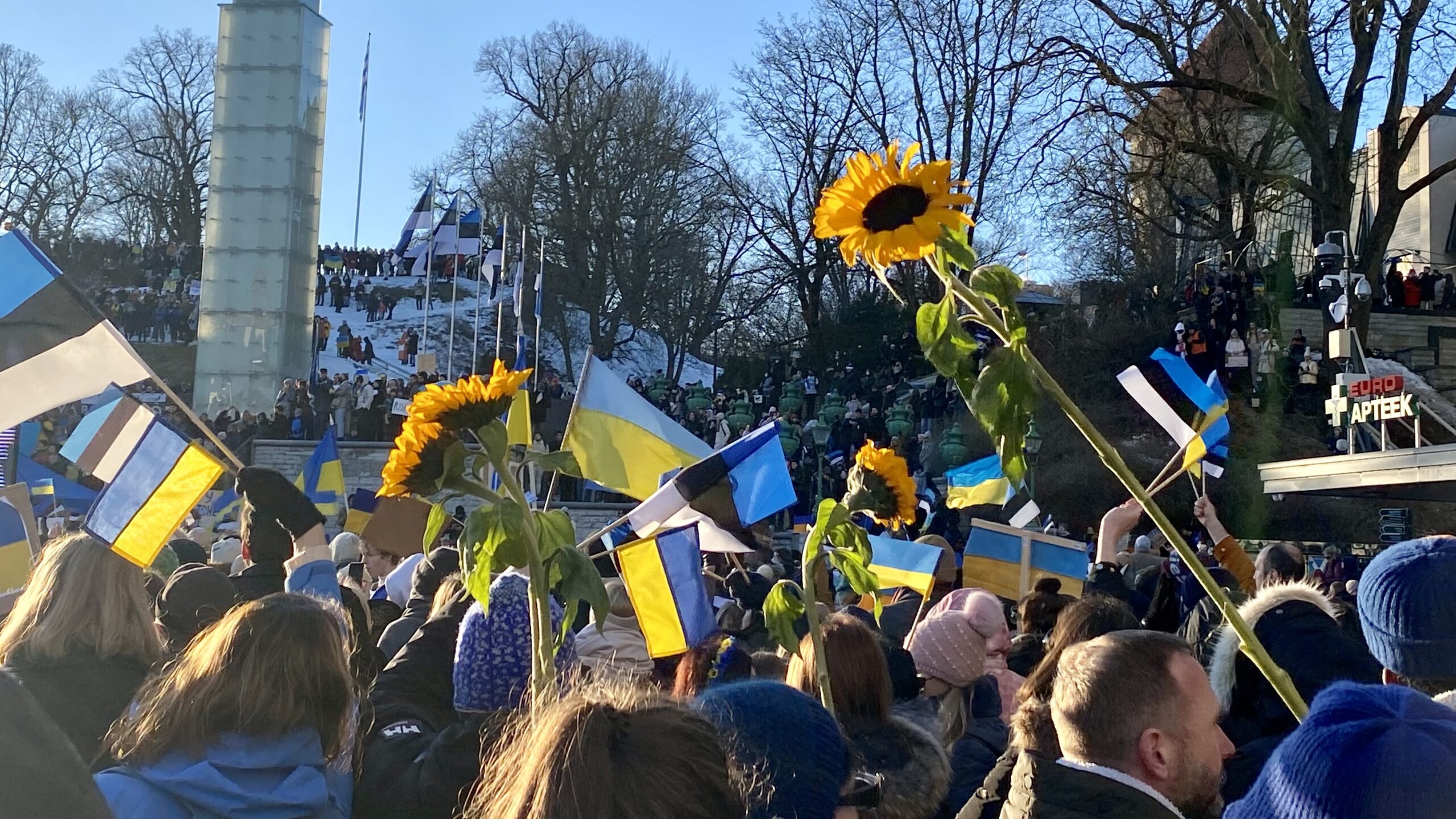
International partners are coordinating defensive and humanitarian support to bolster heating reserves and critical systems. Estonian Foreign Minister Margus Tsahkna emphasized that international resolve must not falter in the face of ongoing infrastructural bombardment, affirming continued military and humanitarian backing. According to Estonian World, Tallinn has allocated substantial funding toward mobile emergency support centres, heating equipment, and critical infrastructure protection programs. Estonian support includes funding for NGO Mondo and the Estonian Refugee Council to equip accommodation centres and help families in frontline regions heat their homes and care for livestock. Additionally, Estonia is contributing millions through the IT Coalition to procure Starlink communication systems for Ukrainian forces, with Estonian Defence Minister Hanno Pevkur highlighting that Starlink capability is especially critical as Ukraine plans to expand its drone units.
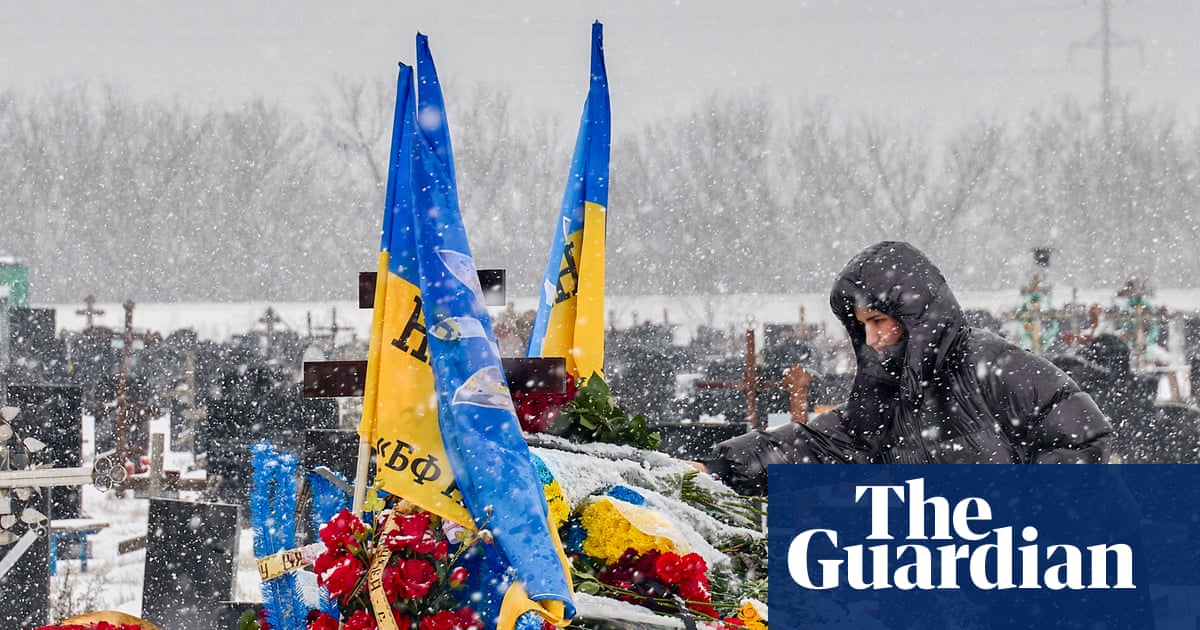
Diplomatic channels and peace negotiations remain intensely fraught as military attrition continues across an extensive frontline. The Guardian highlights that while discussions involving international envoys have advanced, critical territorial and security guarantees remain intensely contested. Exhausted frontline soldiers and weary civilians face profound psychological tolls as the conflict enters another grueling phase, balancing the urgent necessity for respite against the danger of unfavorable settlement terms.
| Contributor / Nation | Support Initiative | Estimated Value / Scope |
|---|---|---|
| Estonia | Frontline winter aid & displaced persons housing | €340,000 allocation |
| Estonia & Luxembourg IT Coalition | Starlink communication systems & tactical technology | €3.5 million (Coalition total exceeding €1.1 billion) |
| Nordic-Baltic Partners | NATO-U.S. PURL military aid initiative | €500 million raised |
As communities prepare for plummeting temperatures and potential utility disruptions, civil authorities and international humanitarian organizations remain focused on reinforcing emergency shelters and maintaining essential communications links. Municipal authorities, civil defense units, and international partners continue coordination efforts ahead of anticipated winter pressures.
How significant is this development?
Contribute your assessment to the aggregated reader sentiment ledger.
Frequently Asked Questions
Key questions answered in this reportWhat is the key development in: Ukraine braces for toughest winter test amid Russian energy infrastructure attacks?
Ukraine is bracing for a severe winter as relentless Russian attacks target its energy grid and power infrastructure, creating critical needs for defense and heating aid.
Why is this Transport development significant for the UK?
This report covers critical events in our Transport beat. Independent reporting monitors related UK statements, regulatory shifts, and public responses as further verified details emerge.
How was this reporting corroborated and verified?
Newsarchy UK compiles and cross-references reporting from primary reporting from Estonian World and cross-checked wire reports. All coverage adheres to published editorial standards.
When was this report published?
This briefing was published on September 7, 2026 and is permanently cataloged in the Newsarchy UK Transport archives.