Burnham scraps controversial plan to curb jury trials
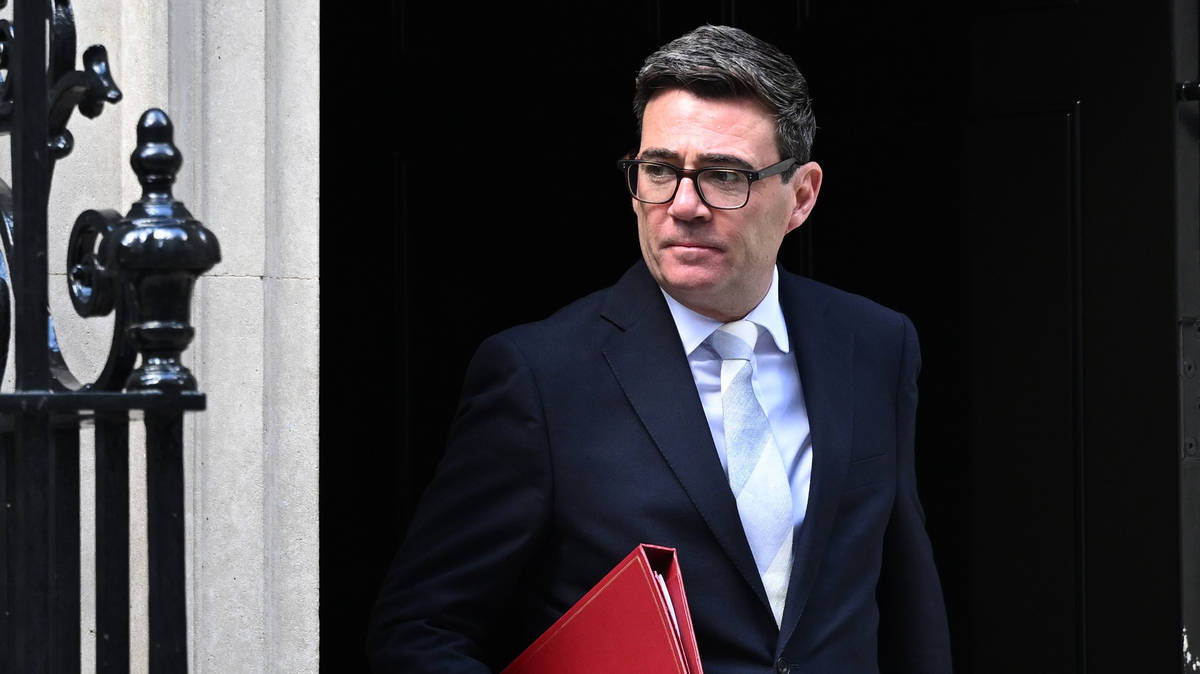
Prime Minister Andy Burnham has cancelled a controversial proposal to strip most offences of jury trials, preserving the historic right.

- Core Development: Prime Minister Andy Burnham has cancelled a controversial proposal to strip most offences of jury trials, preserving the historic right.
- Beat Context: Categorized under Weather with independent corroboration.
- Reporting Depth: 4 minute analytical read synthesized from verified newsroom sources.
Prime Minister Andy Burnham has cancelled a flagship measure that had been a hallmark of Sir Keir Starmer’s brief tenure – the proposal to strip a wide range of offences of jury trials. The decision, announced on 18 July 2026, means only fraud and financial cases will continue to be heard by a judge alone, while the rest of the criminal court system will retain the jury of peers that has underpinned English‑Welsh justice for eight centuries.
The idea of removing juries from “either‑way” offences that could carry up to three years’ imprisonment was drafted by former Justice Secretary David Lammy in December 2024. The proposal, rooted in a review by retired judge Sir Brian Leveson, had been intended as a “radical” solution to a court system that, according to Ministry of Justice figures, had almost doubled in back‑log since 2020. The plan would have left murder, rape and other indictable‑only crimes to be tried by a jury, while lesser cases would have been decided by a single crown court judge.
Media additions


Opposition erupted across the political spectrum. The Law Society of England and Wales, the Bar Council and a host of MPs—including Labour’s Karl Turner, whose whip had been suspended for criticising the scheme—labelled the reforms as “madness” and a threat to fundamental rights. The Criminal Bar Association warned that shifting 25 000 cases a year, including 5 500 jury trials, to magistrates would overburden a system already struggling with record back‑logs.
In the days that followed, Justice Secretary Alex Norris said he had listened to the “strength of feeling on the proposals” and had decided to “change course.” He argued that scrapping the plan would require less structural change and would let the government “start that work far earlier,” thereby reducing the backlog more quickly. Norris added that “justice delayed is justice denied” and pledged to maximise efficiencies alongside record investment.
| Metric | Value |
|---|---|
| Cases still to be dealt with (end June 2026) | 80 829 |
| Back‑log growth since 2020 | almost doubled |
While the U‑turn was welcomed by many legal professionals, it has not been without criticism. Conservative MP Nick Timothy declared it a “major victory for everyone who fought to defend trial by jury,” but warned that the move would “dump those cases on magistrates whose backlog is at a record high.” Green MP Siân Berry called the reversal a victory for justice and fairness, noting that the right to a jury of peers is “an absolute cornerstone” of the system.
Burnham’s decision fits into a broader pattern of policy reversals that have characterised his early days in office. Earlier in July, he announced that the government would scrap the controversial digital ID scheme that had been championed by Starmer, redirecting the earmarked £1.8 billion to cost‑of‑living measures. The digital ID move, which faced a petition of almost three million signatures, was seen by some as a step toward a “de facto digital ID” that could expand into other areas of public service.
Legal experts argue that the risk of overloading magistrates’ courts remains high. The Law Society warned that “putting more cases into the magistrates’ court, which also faces record back‑logs, without increasing capacity places even greater strain on an already overburdened system and risks serious cases facing summary justice.”
For those following the debate, the timeline of key events is worth noting:
- December 2024 – David Lammy introduces the plan to cut jury trials.
- June 2026 – Ministry of Justice reports a backlog of 80 829 cases.
What comes next? The government will need to detail how it will tackle the persistent backlog without relying on the controversial jury‑cutting measures. The Courts and Tribunals Bill will outline the new framework, and Parliament will vote on it before the end of the year. Legal bodies will monitor whether the shift to judge‑alone trials for fraud and financial offences truly eases pressure on the court system or simply reallocates the burden to other courts.
In the broader context, Burnham’s reversal signals a departure from Starmer‑era experiments that many saw as “madness.” As the new Prime Minister moves forward, the focus will be on delivering swift justice while safeguarding the constitutional right to a jury of peers, a right that has been described by critics as a “cornerstone” of fairness.
How significant is this development?
Contribute your assessment to the aggregated reader sentiment ledger.
Frequently Asked Questions
Key questions answered in this reportWhat is the key development in: Burnham scraps controversial plan to curb jury trials?
Prime Minister Andy Burnham has cancelled a controversial proposal to strip most offences of jury trials, preserving the historic right.
Why is this Weather development significant for the UK?
This report covers critical events in our Weather beat. Independent reporting monitors related UK statements, regulatory shifts, and public responses as further verified details emerge.
How was this reporting corroborated and verified?
Newsarchy UK compiles and cross-references reporting from primary reporting from The Independent and cross-checked wire reports. All coverage adheres to published editorial standards.
When was this report published?
This briefing was published on October 4, 2026 and is permanently cataloged in the Newsarchy UK Weather archives.