World leaders at UN General Assembly demand multilateral reform and veto overhaul
Global leaders at the UN General Assembly demanded urgent multilateral reform and an overhaul of the Security Council's veto structure, while UK Prime Minister Andy Burnham signaled a potential path to EU re-entry.

- Core Development: Global leaders at the UN General Assembly demanded urgent multilateral reform and an overhaul of the Security Council's veto structure, while UK Prime Minister Andy Burnham signaled a potential path to EU re-entry.
- Beat Context: Categorized under Politics with independent corroboration.
- Reporting Depth: 3 minute analytical read synthesized from verified newsroom sources.
Global leaders gathering at the annual United Nations General Assembly concluded their high-level meeting on Monday, delivering a sweeping critique of the international diplomatic and security architecture. Officials demanded urgent multilateral reform and an overhaul of the United Nations Security Council's veto structure, arguing that the post-World War II international order has failed to keep pace with contemporary cross-border crises such as climate change, artificial intelligence, and global pandemics, according to Edexlive reporting.
The debate centered on the concept of multilateralism, with leaders from small island nations and developing states arguing that existing global power dynamics leave them marginalized. The five permanent members of the Security Council—the United States, Russia, China, France, and the United Kingdom—continue to hold absolute veto authority, a structural arrangement established in 1945. Leaders criticized this concentration of power, with the prime minister of the Solomon Islands, Matthew Wale, declaring that the veto is a relic, as reported by Edexlive. African nations renewed their adamant demands for permanent representation on the council, asserting that the continent can no longer remain on the sidelines of decisions shaping its destiny.
Media additions

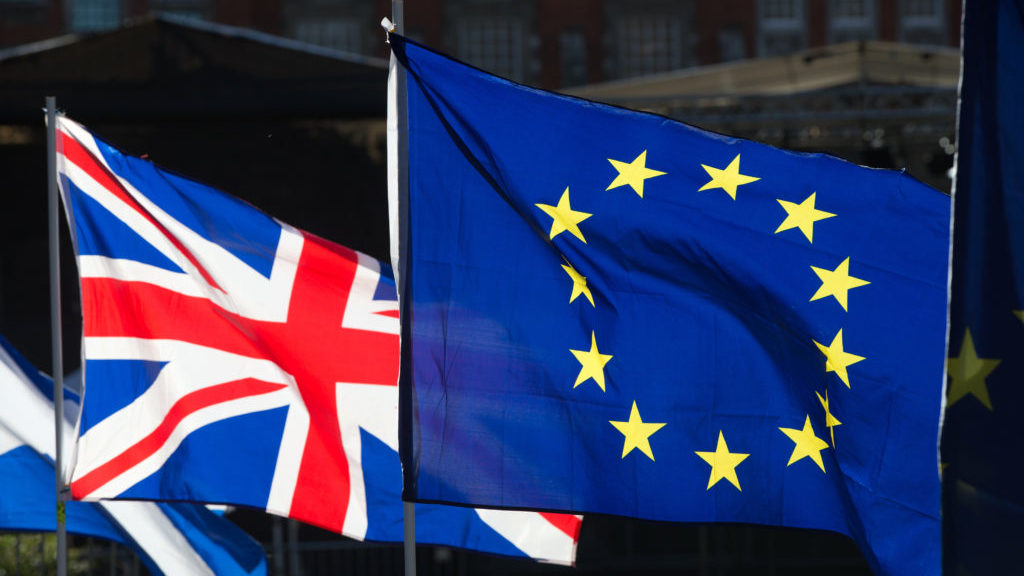

While global leaders debated systemic reform in New York, domestic political landscapes across Europe were shaken by shifting attitudes toward regional integration. In the United Kingdom, Prime Minister Andy Burnham announced a comprehensive review of the nation's long-term relationship with the European Union. Speaking at his party's annual conference in Liverpool, Burnham stated that Brexit had caused more harm than good and indicated that future options should include full membership restoration, according to Fakti. This strategic pivot aligns with findings from a survey conducted by The Messina Group (TMG) among respondents, which revealed that 49 percent of British voters support re-membership in the EU, while 28.5 percent oppose it, as detailed by Fakti.
| Relationship Model | Support Percentage | Opposition Percentage |
|---|---|---|
| Full EU Re-membership | 49% | 28.5% |
| Current Status with Trade Barriers Removed | 48.2% | 20.9% |
| Customs Union Participation | 47.1% | 20.7% |
| Single Market Participation | 45.1% | N/A |
| Associate Membership | 45.5% | N/A |
| Moving Further Away from the EU | 27.9% | 41.2% |
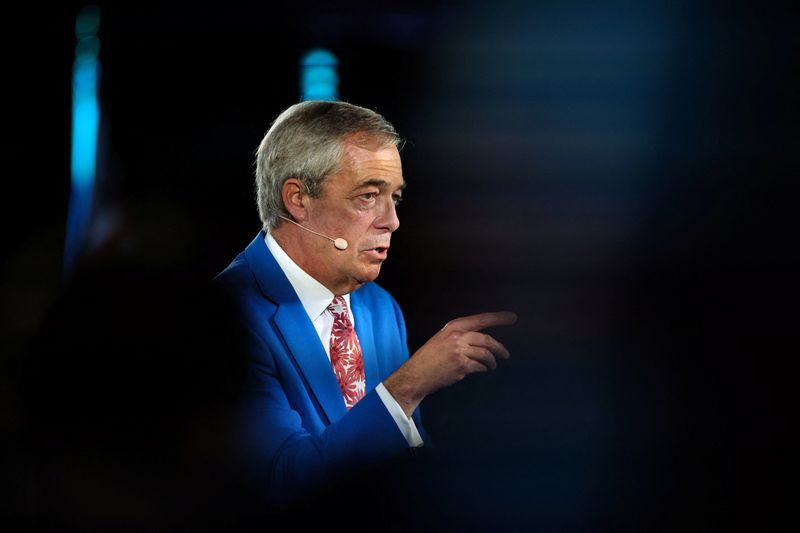
The debate over Britain's European trajectory has also drawn sharp commentary from international figures and domestic critics alike. Former Irish Taoiseach Leo Varadkar likened the UK potentially rejoining the EU to leaving a job and then going back to it, noting that while welcoming Britain back would be a major positive, constructing a workable arrangement remains complex, according to Newstalk. French President Emmanuel Macron and Spanish Prime Minister Pedro Sanchez offered receptive responses to a potential British bid, as reported by Fakti and Newstalk. Meanwhile, Reform UK leader Nigel Farage asserted that Burnham's resurrection of the Brexit debate provided his movement with a significant political boost, according to Fakti.
Domestically, Burnham's broader economic and social agenda has drawn comparisons to the state-interventionist policies of the 1970s. As analyzed by Yahoo News, the prime minister announced plans to establish a publicly owned electricity network infrastructure body, nationalise water services, and introduce a National Care Service. Critics from the political right, including economists and Conservative strategists, have argued that these state-control initiatives risk reigniting inflationary pressures and fail to address underlying economic realities, though polling indicates broad public backing for the public ownership of key utilities.
The convergence of demands for multilateral reform at the United Nations and shifting continental alignments underscore a period of intense institutional re-evaluation. As international organizations face mounting pressure to adapt to twenty-first-century challenges, European capitals and Westminster must navigate complex domestic divisions regarding sovereignty, trade, and cooperation.
How significant is this development?
Contribute your assessment to the aggregated reader sentiment ledger.
Frequently Asked Questions
Key questions answered in this reportWhat is the key development in: World leaders at UN General Assembly demand multilateral reform and veto overhaul?
Global leaders at the UN General Assembly demanded urgent multilateral reform and an overhaul of the Security Council's veto structure, while UK Prime Minister Andy Burnham signaled a potential path to EU re-entry.
Why is this Politics development significant for the UK?
This report covers critical events in our Politics beat. Independent reporting monitors related UK statements, regulatory shifts, and public responses as further verified details emerge.
How was this reporting corroborated and verified?
Newsarchy UK compiles and cross-references reporting from primary reporting from leftfootforward.org and cross-checked wire reports. All coverage adheres to published editorial standards.
When was this report published?
This briefing was published on October 4, 2026 and is permanently cataloged in the Newsarchy UK Politics archives.