Tokayev, Rasmussen discuss cooperation in AI and critical minerals
President Kassym-Jomart Tokayev and Danish Foreign Minister Lars Løkke Rasmussen met in Astana to chart an expanded roadmap for bilateral relations.
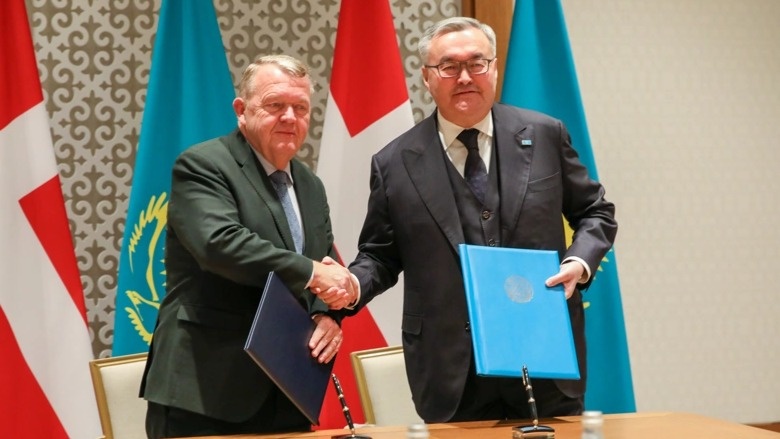
- Core Development: President Kassym-Jomart Tokayev and Danish Foreign Minister Lars Løkke Rasmussen met in Astana to chart an expanded roadmap for bilateral relations.
- Beat Context: Categorized under Weather with independent corroboration.
- Reporting Depth: 3 minute analytical read synthesized from verified newsroom sources.
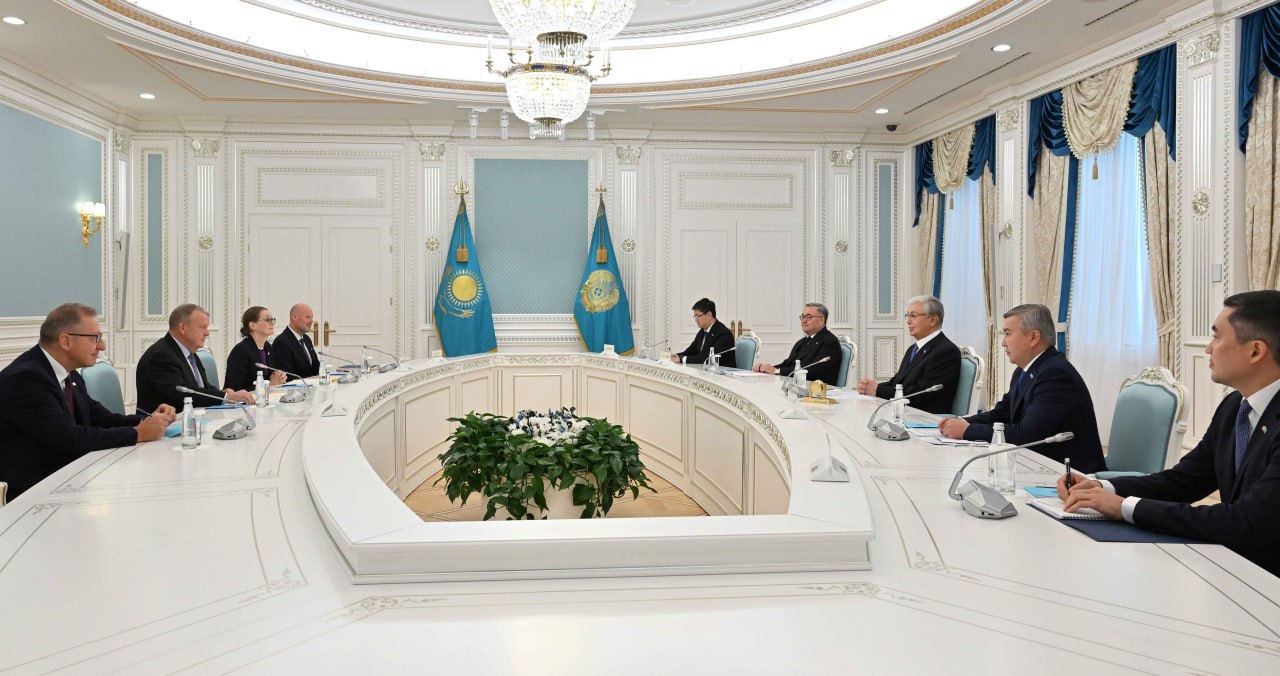
President Kassym-Jomart Tokayev and Danish Foreign Minister Lars Løkke Rasmussen met in Astana, to chart an expanded roadmap for bilateral relations encompassing advanced artificial intelligence, digital transformation, and critical minerals.
According to the Akorda press service, President Tokayev highlighted the strategic value of Denmark as an influential European partner and noted that bilateral ties possess enormous untapped potential. The two countries are preparing to commemorate the anniversary of their diplomatic ties next year, a milestone underscored by both governments as an opportunity to deepen institutional collaboration. Foreign Minister Rasmussen acknowledged Kazakhstan’s position as a leading economy in the region, pointing to the widespread operational presence of Danish enterprises and noting growing corporate appetite for expansion.
Media additions
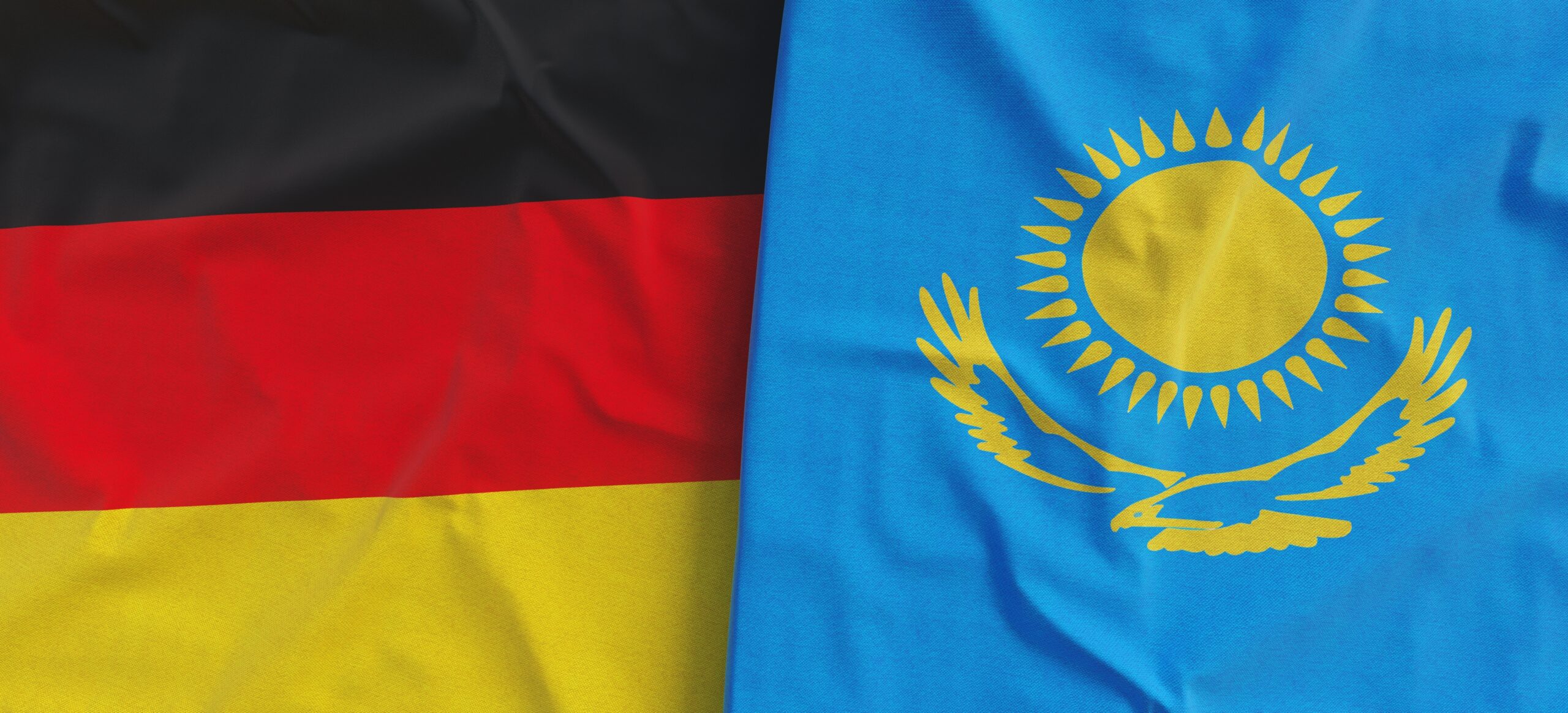
The discussions in Astana build upon a dense web of recent diplomatic and commercial exchanges between Kazakhstan and European states. Earlier bilateral talks between foreign ministers, reported by Qazinform, highlighted that bilateral trade reached $163 million, while cumulative Danish direct investment surpassed $394 million. A central component of this industrial cooperation is a flagship project by Carlsberg Group, which constructed a major soft drinks production facility in the Ili district of the Almaty region. Foreign Minister Rasmussen attended the facility's opening ceremony, which represents a significant foreign investment geared toward expanding local production capacity.
| Metric / Project | Figure / Detail | Context / Source |
|---|---|---|
| Bilateral Trade (Denmark) | $163 million | Recorded in bilateral economic data via Qazinform |
| Cumulative Danish Investment | Exceeded $394 million | Accumulated since 2005, reported by Qazinform |
| Carlsberg Project Investment | $344 million | PepsiCo soft drinks facility in Almaty region, via Qazinform |
| Carlsberg Production Capacity | Up to 1 billion litres annually | Plant inaugurated on Oct. 1, creating 230 jobs |
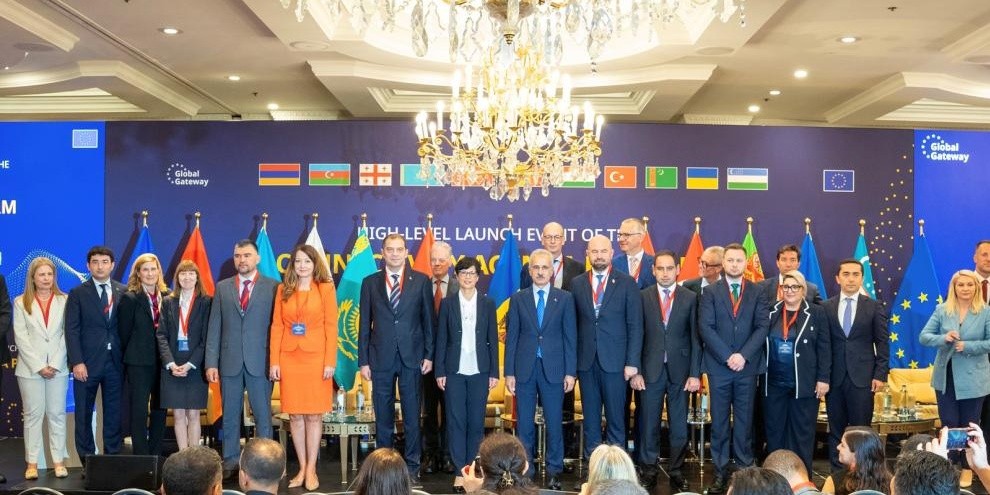
The push for technological and industrial integration mirrors wider regional dynamics involving European institutional frameworks. As detailed by The Times Of Central Asia, the European Commission launched a Connectivity Agenda Platform to mobilize significant capital for infrastructure across the Black Sea and South Caucasus regions. This initiative directly supports the Trans-Caspian Transport Corridor, offering a viable alternative to traditional northern trade routes. President Tokayev noted that cargo volumes along the Middle Corridor have grown substantially over recent years, with national infrastructure investments surpassing multi-billion-dollar thresholds to enhance regional logistics hubs.
At the same time, experts urge caution regarding how quickly strategic diplomatic intent translates into commercial reality. Analyses published by The Astana Times point out that while European nations increasingly view Central Asia as vital for critical raw materials and energy diversification, private sector actors evaluate investments through the lens of domestic market scale and regulatory predictability. Observers note that transforming Kazakhstan from a pure transit corridor into an advanced processing and technology hub will require continued structural reforms, enhanced vocational training systems, and sustained institutional backing.
As bilateral commissions and newly signed memorandums of understanding take effect, policymakers on both sides will monitor whether the newly forged frameworks in artificial intelligence and critical minerals can successfully move from diplomatic dialogues to tangible industrial delivery.
How significant is this development?
Contribute your assessment to the aggregated reader sentiment ledger.
Frequently Asked Questions
Key questions answered in this reportWhat is the key development in: Tokayev, Rasmussen discuss cooperation in AI and critical minerals?
President Kassym-Jomart Tokayev and Danish Foreign Minister Lars Løkke Rasmussen met in Astana to chart an expanded roadmap for bilateral relations.
Why is this Weather development significant for the UK?
This report covers critical events in our Weather beat. Independent reporting monitors related UK statements, regulatory shifts, and public responses as further verified details emerge.
How was this reporting corroborated and verified?
Newsarchy UK compiles and cross-references reporting from primary reporting from The Astana Times and cross-checked wire reports. All coverage adheres to published editorial standards.
When was this report published?
This briefing was published on October 2, 2026 and is permanently cataloged in the Newsarchy UK Weather archives.

_09_30_2026_13_20_24_119670.jpg)
