Cumberland Island land swap proposal stirs controversy
A controversial National Park Service land swap on Cumberland Island would trade park acreage for private home sites, reigniting a debate over federal wilderness stewardship.
A contested land swap proposal on a barrier island has reignited fierce debate over public lands stewardship and the boundaries of federal preservation.
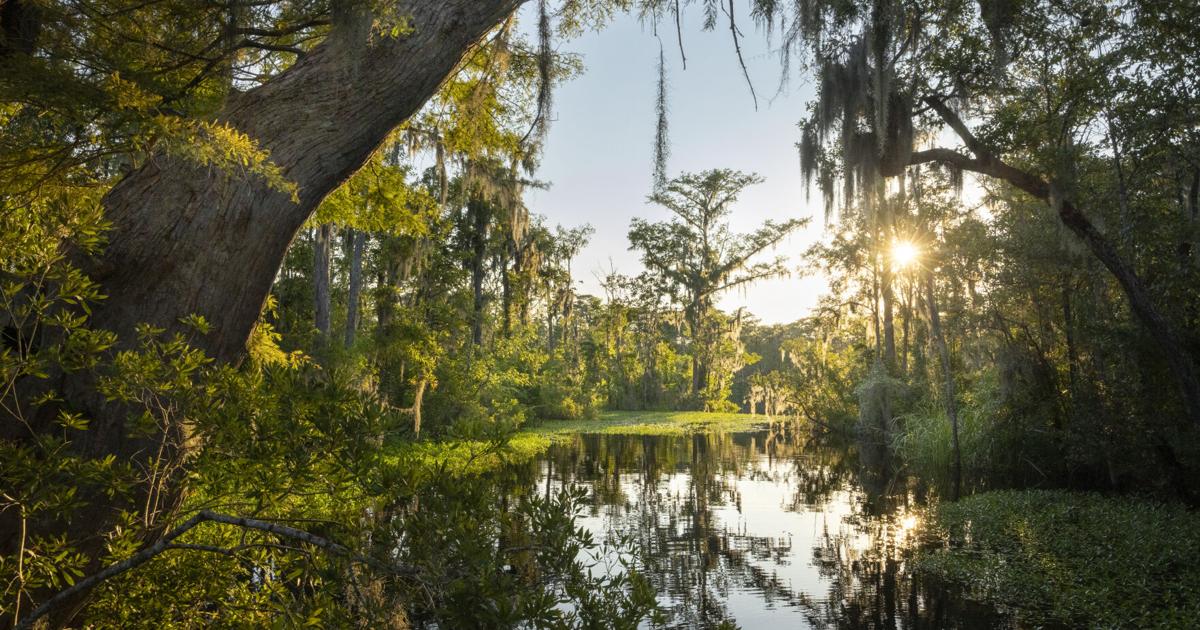
Wild horses, feral hogs, and deer roam Cumberland Island, an ecologically diverse Atlantic barrier island featuring salt marshes, maritime forests, and remote beaches. Since 1972, the National Park Service has managed the Cumberland Island National Seashore. This oversight includes federally designated wilderness established by an act of Congress mandating that the seashore remain permanently preserved in its primitive state. Yet the island also preserves Native American relics, Spanish mission remnants, antebellum plantation ruins, and opulent Gilded Age estates built by industrialist Thomas Carnegie and his wife Lucy.
Media additions
Descendants of the Carnegies continue to live and vacation on private property within the seashore boundaries. To address this, the National Park Service proposed a land swap that would hand over current parkland on the west side of the island to two branches of Carnegie descendants so they can construct up to eight new private homes with views of the Cumberland Sound and Naval Submarine Base Kings Bay.
Proponents argue the exchange will consolidate private ownership on the western edge, allowing the government to better interpret cultural and natural resources on the Atlantic beachside and prohibit development in sensitive wilderness zones. Park superintendent Melissa Trenchik defended the plan during media tours, stating that development on private parcels could proceed anyway if the agency takes no action. Trenchik noted that the proposed residences would face permanent conservation limits and a height restriction. Critics, however, reject the notion that the homes are modest, pointing to substantial square footage allowances that include driveways and outbuildings.
Opposition groups view the arrangement as part of a broader push to commercialize or privatize public acreage. Joseph Manning, an attorney with Defenders of Wildlife, argued that park and refuge land exchanges under current federal administration trends are designed to benefit select individuals or special interests rather than expand public access. Local ecologist Carol Ruckdeschel, who has studied the island for decades, called the plan an affront to the public and the Park Service. Ruckdeschel also raised concerns over agency plans to increase daily visitor limits, warning that higher foot traffic and additional construction will disrupt the island's ongoing return to a primitive wilderness climax stage.
Carnegie descendants have pushed back against the criticism. Barclay McFadden, a great-great-grandson of Thomas Carnegie, rejected characterizations of his family as modern-day robber barons, emphasizing that five generations are buried in a local family cemetery and describing the island as a sacred place for their children and grandchildren. Another descendant, Jamie Ferguson, noted that his family has served as stewards of the island since their ancestors chose to protect it from becoming a golf course in the 1970s. Ferguson suggested the deal could grant the public greater access to historic plantation sites such as The Chimneys, where enslaved workers once lived.
The debate arrives as large-scale conservation projects gain momentum across the broader region. In South Carolina, officials announced a massive conservation easement project covering more than 62,000 acres of forestland across the Pee Dee Basin. Encompassing Marion, Williamsburg, and Georgetown counties, the Pee Dee Basin Initiative stands as the largest conservation easement in state history, protecting working timberlands, buffering communities from severe weather, and securing vital habitat for more than 115 plant and animal species.
| Conservation / Swap Initiative | Location | Scale | Key Stakeholders |
|---|---|---|---|
| Cumberland Island Land Swap | Cumberland Island, Ga. | Up to 8 private home sites on current parkland | National Park Service, Carnegie descendants, Defenders of Wildlife, Wild Cumberland |
| Pee Dee Basin Initiative | Marion, Williamsburg, and Georgetown counties, S.C. | More than 62,000 acres | Open Space Institute, U.S. Forest Service, Walmart Acres for America, South Carolina Forestry Commission |
Financial backing for the South Carolina initiative includes a grant from the Acres for America program. Maria Whitehead of the Open Space Institute emphasized the monumental scale of the regional effort, noting that the protected footprint spans an area three times the size of Hilton Head Island. The South Carolina project aims to balance economic security within the state's timber sector with expanded public access, opening thousands of new acres for hiking, hunting, fishing, and wildlife observation.
What to watch next
- The National Park Service continues to review the more than 12,500 public comments submitted regarding the Cumberland Island land swap proposal before deciding on final implementation steps.
- South Carolina state agencies and private landowners are working to officially finalize and monitor the easements under the Pee Dee Basin Initiative.