US Lawmakers Push Tougher AI Chip Curbs After Nvidia CEO Resigns
US lawmakers are advancing stringent new legislative proposals to restrict China's access to advanced semiconductors following the resignation of Nvidia CEO Jensen Huang.
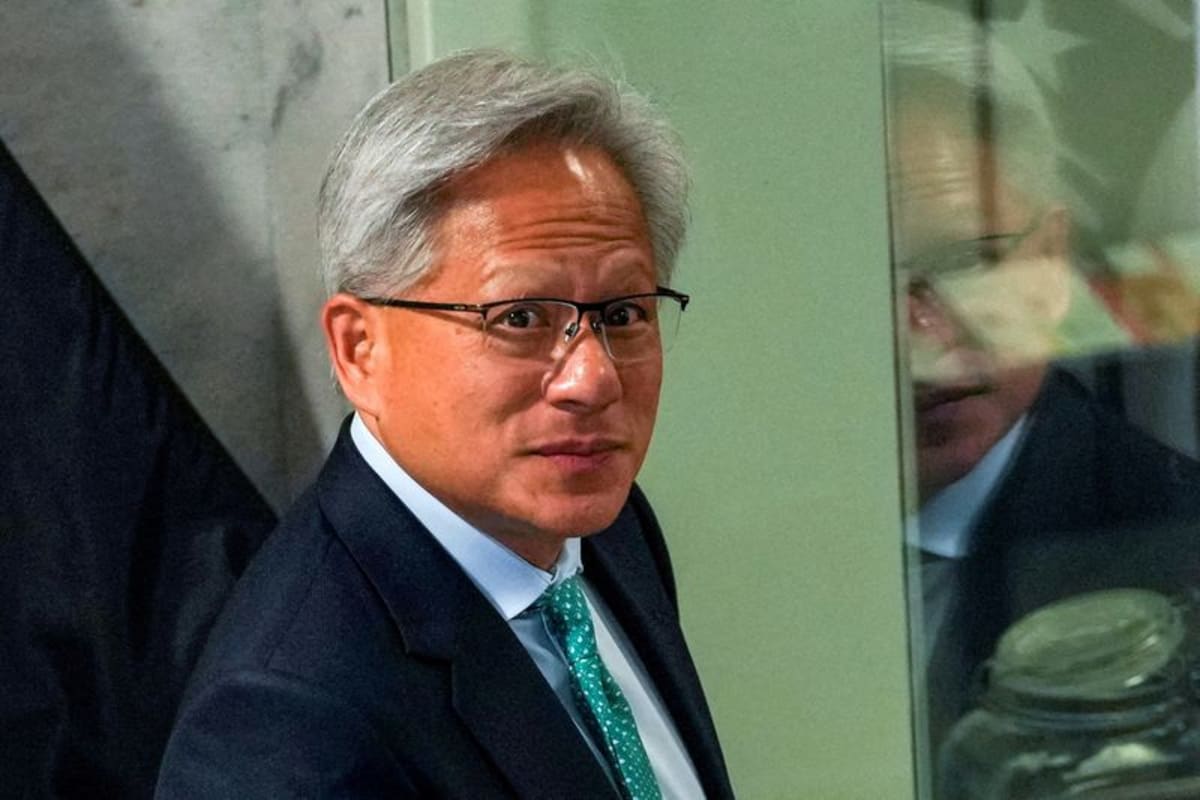
Lawmakers in Washington are advancing stringent new legislative proposals to restrict China’s access to advanced semiconductor technology following the recent resignation of Nvidia CEO Jensen Huang, according to reporting detailed by Yahoo and AOL. The developments follow media reports concerning Huang's affair with an executive at a Singapore-based tech company whom US authorities suspect of spying for Beijing, which has heightened scrutiny over the company's role in US national security. Huang stepped down on Thursday, days after the reports surfaced, having admitted to an extramarital affair without naming the person. Nvidia did not address Huang's actions in its statement, and former CEO Huang had previously supported allowing more exports to China.
Bipartisan congressional momentum is accelerating rapidly. Capitol Hill is scrutinizing how advanced processors reach foreign adversaries, particularly as Chinese tech firms scramble to secure alternative pathways. House Speaker Mike Johnson said Thursday that the growing consensus in Congress favors new restrictions on chip exports to China.
Media additions

Legislative Proposals Under Review
Congressional leaders are weighing multiple bills to tighten existing export controls. A select group of lawmakers intends to attach these measures to the annual defense authorization bill, a must-pass measure that funds the military and consistently commands bipartisan support.
The Senate version of the defense bill incorporates several key initiatives. These measures seek to close regulatory loopholes and mandate heightened congressional oversight over executive branch decisions regarding technology exports.
| Legislation | Primary Focus | Potential Impact on Nvidia |
|---|---|---|
| AI Overwatch Act | Gives Congress a larger role in reviewing export rule changes | Could make it harder for future administrations to loosen restrictions on advanced chip sales to China |
| Chip Security Act | Requires chipmakers to track the location of advanced processors and notify the government of diversions | Creates new compliance costs and reporting obligations for the wider sector |
| Match Act | Pressures allies like the Netherlands and Japan to restrict chipmaking equipment sales and maintenance | Indirectly makes it harder for China to develop competing chips long-term |
| Remote Access Security Act | Gives the Commerce Department authority to regulate overseas cloud rentals | Could have a direct material impact by closing the remote computing workaround |
Existing United States law grants the Commerce Department broad authority to block or allow advanced chip shipments without direct congressional approval. Lawmakers such as Senator Elizabeth Warren, a Democrat from Massachusetts, and Senator Jim Banks, an Indiana Republican, argue that decisions carrying massive national security implications demand greater legislative checks and balances.
Nvidia's advanced hardware remains fundamental to developing cutting-edge models, making the firm key to the US race against China to build superior systems. Yet company disclosures show that revenue originating directly from Chinese data centers is near zero, according to an August company statement. Corporate leadership previously stated they do not anticipate that metric changing in the third quarter.
Industry Concerns and Market Reactions
Trade groups have voiced concerns over the financial burden of the proposed oversight mechanisms. The Semiconductor Industry Association, which counts Nvidia among its members, cautioned that mandatory hardware tracking requirements could prove highly expensive for the wider sector.
Meanwhile, alternative workarounds continue to challenge existing regulatory boundaries. Instead of buying physical hardware directly, certain Chinese firms routinely rent computing power from overseas data centers outfitted with Nvidia units, accessing those systems from afar. The Remote Access Security Act specifically targets this practice. Nvidia noted in previous corporate filings that if enacted, this specific measure could exert a material impact on operations, stating in July that the legislation could have a material impact on our business.
Concerns over escalating regulations have triggered frantic market behavior abroad. Chinese artificial intelligence companies are aggressively rushing to lock down access to foreign computing capacity powered by Nvidia infrastructure outside China. Industry participants fear the unfolding controversies surrounding Huang will prompt Washington to finalize and implement sweeping restrictions far sooner than initially anticipated.
What to Watch Next
Congressional committees will debate whether to formally append the package of export controls to the upcoming defense authorization bill. Observers are also monitoring Senate deliberations surrounding the Remote Access Security Act, which previously cleared the House in January and is awaiting Senate consideration.