How India Inc is weathering global disruptions - Business News
Corporate India demonstrates structural resilience against global polycrises and extreme weather like Cyclone Murasu through sustained deleveraging and robust private consumption.

- Core Development: Corporate India demonstrates structural resilience against global polycrises and extreme weather like Cyclone Murasu through sustained deleveraging and robust private consumption.
- Beat Context: Categorized under Weather with independent corroboration.
- Reporting Depth: 3 minute analytical read synthesized from verified newsroom sources.
Corporate India confronts an era defined by overlapping global polycrises, ranging from geopolitical conflicts in West Asia to compounding domestic weather extremes like Cyclone Murasu striking the eastern coast. According to analysis published on Moneycontrol on Tuesday, 3 November 2026, domestic resilience stems from deliberate structural buffers, ranging from sustained deleveraging and robust private consumption to targeted fiscal interventions and an increasingly stable banking sector.
The operational landscape has faced severe turbulence over the first half of the decade. As detailed in the Moneycontrol reporting by Subodh Rai, MD, CRISIL Ratings, shocks from the Covid-19 pandemic and West Asia conflicts tested production, demand, cash flows, and costs. Yet, the CRISIL Ratings credit ratio — measuring upgrades against downgrades across more than 7,200 evaluated companies — held above 1.5 times since fiscal 2022. Reaffirmation rates hovered near 80%, demonstrating that corporate balance sheets absorbed these systemic pressures without widespread distress across geographies, sectors, and size segments.
Media additions
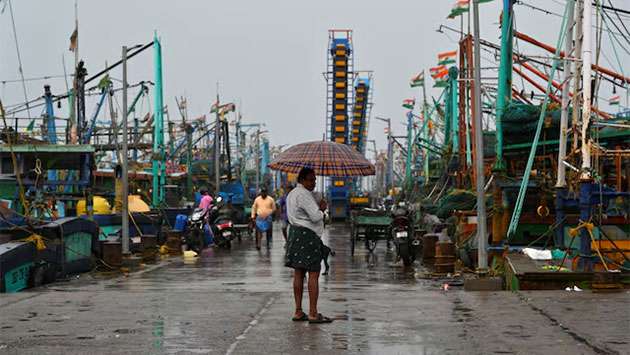
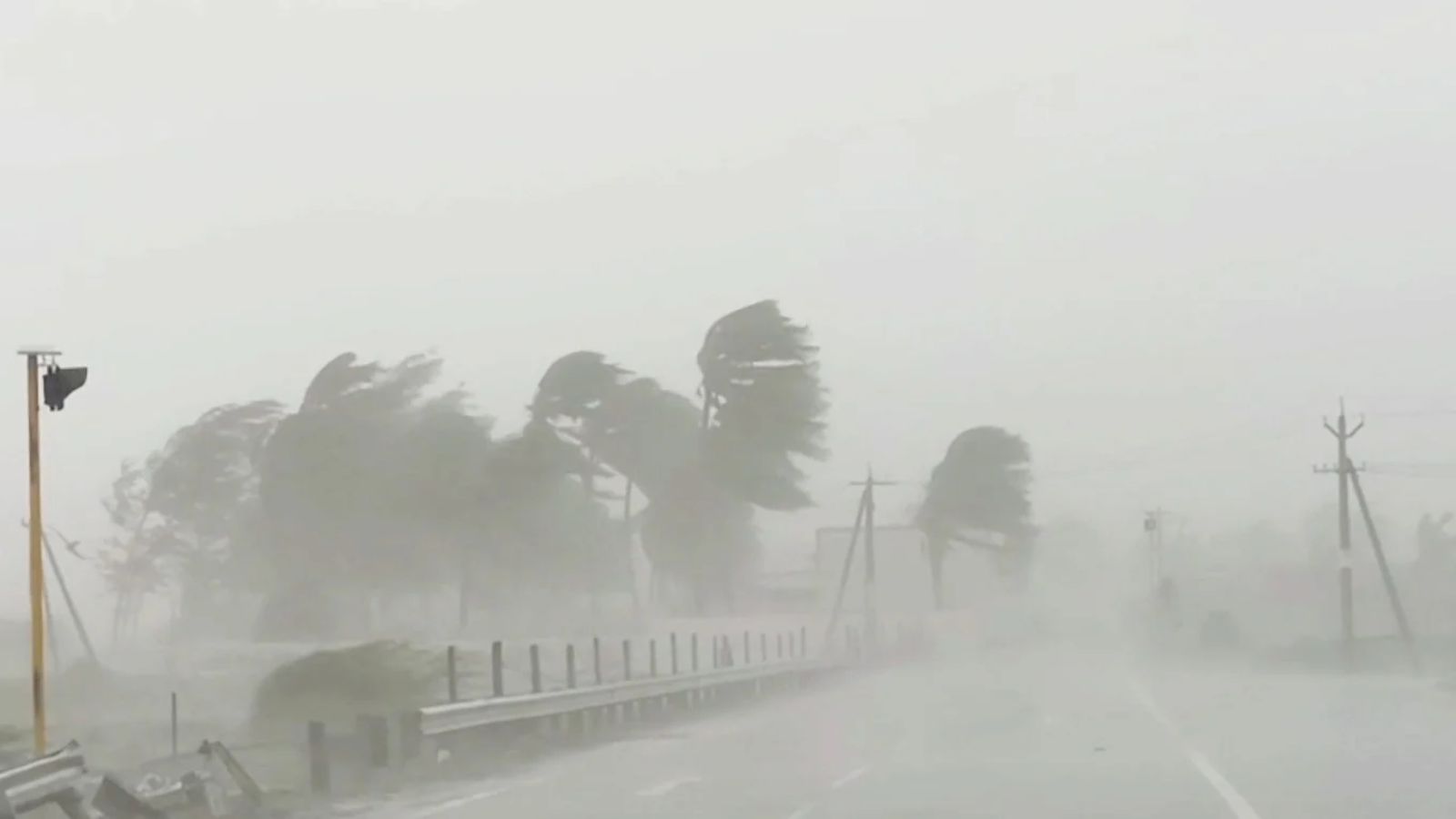
This macro stability faces direct challenges from acute weather events. As reported by Daily Mirror via Reuters, Cyclone Murasu struck the south-eastern state of Andhra Pradesh between 03:30 and 05:30 local time on Tuesday, the country's weather department said. The severe cyclonic storm delivered wind speeds of 100–110 kph with gusts reaching 120 kph, arriving just one week after Cyclone Arnab battered the same region. Prakhar Jain, Managing Director of the Andhra Pradesh State Disaster Management Authority, reported no immediate deaths or injuries, though trees and electric poles suffered structural damage.
| Storm Name | Impact Region | Timing | Reported Severity |
|---|---|---|---|
| Cyclone Murasu | Andhra Pradesh & Tamil Nadu | Tuesday | 100–110 kph winds (gusts to 120 kph) |
| Cyclone Arnab | Andhra Pradesh | Wednesday | Very severe cyclonic storm, 6 fatalities |
Authorities launched pre-emptive evacuation measures ahead of Murasu's arrival, targeting roughly 30,000 individuals in Andhra Pradesh for relocation to safety. The India Meteorological Department noted that the storm formed over the Bay of Bengal, with forecasts warning that Andhra Pradesh and Tamil Nadu would be the worst hit. The Indian Express coverage highlights that these back-to-back storms severely impacted the agrarian economy. Chief Minister N Chandrababu Naidu directed agriculture officials via a teleconference to strengthen crop insurance frameworks, noting that 22 crops are notified for insurance during the current Kharif season. Fifteen crops utilize yield-based coverage, while seven operate under weather-based parameters.
Beyond regional agricultural strains, broader economic resilience relies on several structural layers. Private final consumption expenditure represents approximately 57% of GDP in fiscal 2026, serving as the primary growth engine and helping companies sustain volumes despite weaker export demand. Non-crop rural income streams, including livestock, fisheries, and forestry, accounted for 46% of agricultural output in fiscal 2024, providing a cushion against rainfall volatility compared to earlier periods. Concurrently, unconditional cash transfers to women and farmers reached Rs 2.6 lakh crore under budget estimates, while central government capital expenditure scaled up to a budgeted Rs 12.2 lakh crore for fiscal 2027.
Corporate supply chains also adapted dynamically. Exporters facing tariff shifts or regional conflicts diversified trade routes toward Vietnam, the European Union, China, and alternative crude suppliers in Africa and Latin America. Furthermore, median gearing ratios halved to around 0.5 times through a decade of deleveraging, and median interest coverage doubled to over 5 times. Banking health improved significantly, with gross non-performing assets dropping to around 1.8% as of March 31, 2026, while overall capital adequacy reached 17.7%. Policy measures such as the Emergency Credit Line Guarantee Scheme 5.0 provided targeted liquidity, with guaranteed amounts reaching Rs 2.50 lakh crore by August 20, 2026.
State disaster management teams, agricultural departments, and corporate entities will continue monitoring Bay of Bengal weather formations and evaluating credit stability as recovery efforts proceed across affected eastern coastal districts.
How significant is this development?
Contribute your assessment to the aggregated reader sentiment ledger.
Frequently Asked Questions
Key questions answered in this reportWhat is the key development in: How India Inc is weathering global disruptions - Business News?
Corporate India demonstrates structural resilience against global polycrises and extreme weather like Cyclone Murasu through sustained deleveraging and robust private consumption.
Why is this Weather development significant for the UK?
This report covers critical events in our Weather beat. Independent reporting monitors related UK statements, regulatory shifts, and public responses as further verified details emerge.
How was this reporting corroborated and verified?
Newsarchy UK compiles and cross-references reporting from primary reporting from moneycontrol.com and cross-checked wire reports. All coverage adheres to published editorial standards.
When was this report published?
This briefing was published on November 4, 2026 and is permanently cataloged in the Newsarchy UK Weather archives.