UK hits record for most 34C days in a year as heatwave continues
The United Kingdom has set a new record for the number of days reaching 34C in 2026, as the ongoing heatwave strains national infrastructure and healthcare.

- Core Development: The United Kingdom has set a new record for the number of days reaching 34C in 2026, as the ongoing heatwave strains national infrastructure and healthcare.
- Beat Context: Categorized under Weather with independent corroboration.
- Reporting Depth: 3 minute analytical read synthesized from verified newsroom sources.
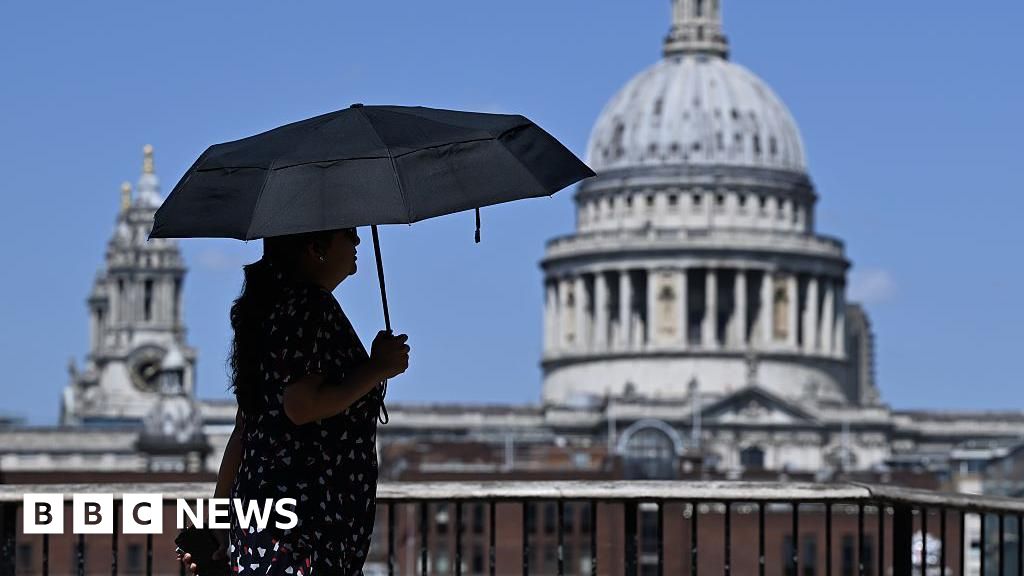
The United Kingdom has entered a record-breaking phase of its third heatwave of 2026, as national temperatures reached a new annual threshold. The country marked its eighth day this year with temperatures at or above 34C, officially surpassing the previous record high of seven days established in both 1976 and 2020.
The Met Office reported that the heatwave reached its absolute peak in the south and central regions on Thursday, with a high of 35.5C recorded in Surrey. As the high-pressure system persists, the UK Health Security Agency has maintained amber heat-health alerts across the majority of England. These alerts, which warn of significant impacts on health and social care services, are currently in place until 21:00 BST on 12 July.
Media additions


National Disruption and Infrastructure
The prolonged heat is placing strain on national infrastructure beyond the healthcare system. Multiple rail operators, including c2c, Great Western Railway, and London Northwestern Railway, have implemented speed restrictions and service cancellations due to the risk of tracks buckling in extreme heat. In London, the London Fire Brigade reported its busiest day of the year, with fire chiefs issuing urgent warnings regarding the heightened risk of wildfires in parks and open countryside.
Water supplies are also tightening under the sustained demand. Southern Water has introduced hosepipe restrictions affecting approximately one million customers in Hampshire and the Isle of Wight effective from Friday. South East Water implemented similar bans in parts of Kent on 3 July, while Cambridge Water introduced a restriction for the first time in three decades. Meanwhile, the UK electricity grid operator, Neso, issued a request for additional power availability to manage tight electricity margins as households and businesses increase air conditioning and refrigeration usage.
Healthcare and Public Safety
The NHS has warned that the cumulative effect of the heatwave is creating a summer surge in demand comparable to winter pressure. NHS England reported that ambulance services are under sustained pressure, with specific concerns for the elderly and those with existing health conditions. Health officials have requested that the public utilise services wisely, specifically suggesting that those requiring mental health support call 111 and select option 2 rather than attending emergency departments.
Experts are highlighting the long-term shifts in British weather patterns. Friederike Otto, a professor of climate science at Imperial College London, noted that the current environmental conditions are influenced by a long-term warming trend. The heat we have seen this summer is only possible because of the 1.4C of climate change we have to date, due to the burning of fossil fuels,
Otto said. The Met Office reports that while reaching 35C was historically rare in the 20th century, the threshold has been crossed in six of the last ten years.
Market and Supply Chain Impacts
The heat has triggered structural changes in how the UK manages food supply and agriculture. On the Waitrose Leckford Estate in Hampshire, farm managers confirmed the commencement of the earliest wheat and oilseed rape harvest on record. The supply chain is also struggling, as older refrigeration systems in supermarkets and warehouses face failure in ambient temperatures for which they were not designed. Industry leaders from the British Frozen Food Federation and the Cold Chain Federation have indicated that the retail landscape will likely shift toward closed-door refrigeration and upgraded energy-intensive cooling systems as standard practice.
What to Watch Next
- Heat-Health Alerts: Amber alerts remain active for most of England until 21:00 BST on 12 July.
- Long-term Forecast: Temperatures are expected to remain above the July average of 18-23C for the duration of the upcoming week.
- Public Gatherings: Health authorities are specifically monitoring the impact of the heat on large crowds expected to gather for Saturday's football match.
- Water Restrictions: Residents in affected areas are advised to monitor official water company updates regarding the duration of hosepipe bans.
As the UK navigates one of its longest heatwaves since 1976, international observers are also monitoring the situation in western Europe, where early academic estimates suggest that the death toll from June's extreme temperatures could exceed 20,000 across the continent.
How significant is this development?
Contribute your assessment to the aggregated reader sentiment ledger.
Frequently Asked Questions
Key questions answered in this reportWhat is the key development in: UK hits record for most 34C days in a year as heatwave continues?
The United Kingdom has set a new record for the number of days reaching 34C in 2026, as the ongoing heatwave strains national infrastructure and healthcare.
Why is this Weather development significant for the UK?
This report covers critical events in our Weather beat. Independent reporting monitors related UK statements, regulatory shifts, and public responses as further verified details emerge.
How was this reporting corroborated and verified?
Newsarchy UK compiles and cross-references reporting from primary reporting from theguardian.com and cross-checked wire reports. All coverage adheres to published editorial standards.
When was this report published?
This briefing was published on July 10, 2026 and is permanently cataloged in the Newsarchy UK Weather archives.


