UK temperatures set to rise again after brief heatwave respite
Following a brief period of respite, the UK faces a fresh wave of extreme heat as forecasters warn of rising temperatures and oppressive humidity.

- Core Development: Following a brief period of respite, the UK faces a fresh wave of extreme heat as forecasters warn of rising temperatures and oppressive humidity.
- Beat Context: Categorized under Weather with independent corroboration.
- Reporting Depth: 6 minute analytical read synthesized from verified newsroom sources.
After a brief lull that nudged daytime highs back into the low‑20s, forecasters say the United Kingdom is set to stare at another spell of scorching weather. The Met Office’s long‑range outlook projects a slow‑moving high‑pressure ridge lingering over England and Wales, with the system expected to push northwards toward Scotland and Northern Ireland by the second week of July. In its own words, “Temperatures will rise through the period, perhaps becoming very warm or hot in places,” the national weather and climate service warned on its website.
From record‑breaking peak to a new wave of heat
From Wednesday through Friday, the country endured three consecutive days of record‑breaking heat. A provisional high of 37.3 °C was logged in Santon Downham, Suffolk, on Friday; the following day saw a second‑day high of 32.3 °C at the same spot. In response, the Met Office issued a rare red warning for extreme heat – only the second such alert ever – covering parts of central and southern England and Wales on Wednesday and Thursday. An amber warning followed on Friday for eastern and central England, and on Saturday for eastern England.
Media additions

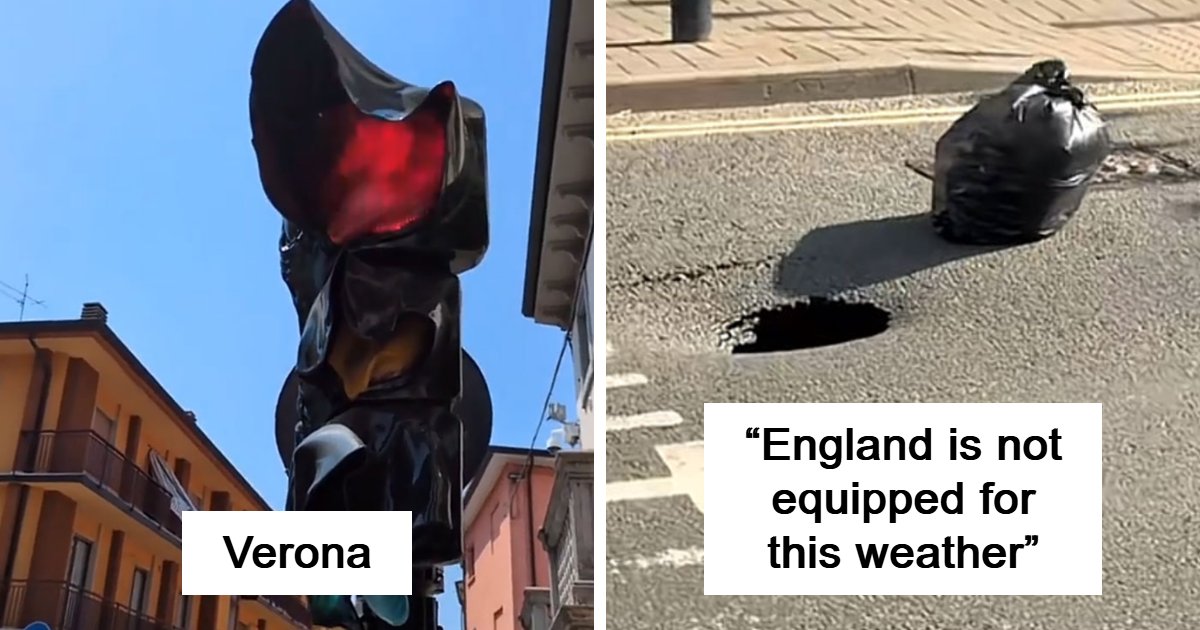

According to the Met Office, the red warning marked “the second time ever” the service had to raise the alert to its highest level. The agency added that the heatwave was “developing into an impactful severe weather event, with record‑breaking June temperatures and very high humidity,” a sentiment echoed by Deputy Chief Forecaster Tom Crabtree.
"The forecast heatwave is developing into an impactful severe weather event, with record breaking June temperatures and very high humidity. The combination of heat and humidity will be oppressive and bring impacts across society from public health and infrastructure, to power and water supplies."
Tom Crabtree, Deputy Chief Forecaster, via Met Office
Social media erupts with memes, tips and grief
While officials sounded the alarm, the public turned to TikTok, Instagram and Twitter for both levity and survival strategies. One TikTok user posted a video mocking the “heat hits when going outside,” while another referenced a viral soundbite about “just making it through the night.” Memes featuring imagined British heat‑adaptations – from foil‑clad windows to makeshift fans on the Tube – proliferated, as did clips of people splashing in rivers, lakes and public lidos.
Beyond humour, influencers and everyday users shared practical advice: applying aluminium foil to the outside of windows, using gaffer‑tape‑held foam underlays, or setting up community cooling stations. A user on Bored Panda described a DIY foil‑and‑foam solution costing £20 from B&Q, noting it “keeps the heat down during the day while still letting the window crack open at night.”
The heat also sparked a surge in safety messages. The UK Health Security Agency (UKHSA) issued a series of yellow and amber heat‑health alerts, urging people to stay hydrated, avoid outdoor exertion between 11 am and 3 pm and be mindful of “Tropical Nights” when overnight temperatures stay above 20 °C.
Water‑related deaths rise to six
Tragically, the heatwave’s toll extended beyond discomfort. By the end of the week, six water‑related fatalities had been confirmed across England and Wales. West Midlands Police reported a woman’s body recovered from Swan Pool in Sandwell Valley Country Park on a Saturday evening after she vanished from the water shortly after 4:30 pm. West Mercia Police confirmed the death of 22‑year‑old Brody Leach, found in the River Severn in Shrewsbury after a pre‑dawn swim. Hampshire Police later identified a 69‑year‑old man who died in the sea at Marine Parade East, while a teenage boy was found dead in Testwood Lakes near Southampton.
Police also recalled an earlier death of a 50‑year‑old man at Aberavon beach in Wales. The cumulative six deaths underscore the Met Office’s warning about an “increase in potential water safety incidents” as more people flock to rivers, lakes and coastal spots.
Infrastructure strain and policy calls
The heatwave exposed the fragility of British infrastructure designed for milder summers. Wimbledon’s All England Club was forced to suspend qualifying matches after its electronic line‑calling system overheated and failed. On the same weekend, flights at Heathrow and Gatwick suffered extensive delays – FlightAware logged 484 inbound and outbound movements still delayed, with 42 % of Heathrow flights and 50 % of Gatwick flights affected.
In the wake of these disruptions, London’s mayor, Sir Sadiq Khan, called for “maximum and minimum temperature limits” in schools and workplaces. He told LBC:
"Sometimes in winter months schools and workplaces shouldn't be too cold just as in summer they shouldn't be too hot. I think it's really important for each individual employer and headteacher to make a common‑sense decision based on what's right for them."
Sadiq Khan, Mayor of London, via Daily Mail
Health experts highlighted the disproportionate impact on the elderly and low‑income households. Dr Mehri Khosravi, senior research fellow at the University of East London’s Sustainability Research Institute, warned that “age is the strongest factor that can affect impact of heat,” noting that frailer bodies struggle to regulate temperature. Caroline Abrahams of Age UK added that older adults “really do need to take care, especially if you have serious health conditions.”
Scientific context and climate links
Both the Met Office and the UK’s climate research community stress that while individual weather events vary, the overall trend points to more frequent and intense heatwaves. The Met Office’s projections state that “hot spells will become more frequent in our future climate, particularly over the south‑east of the UK.” The agency also affirmed that “it is virtually certain that human influence has increased the occurrence and intensity of extreme heat events.”
Supporting this view, the Guardian reported a 25 % chance of temperatures exceeding 40 °C during the current spell, while Tom Crabtree warned that “the combination of heat and humidity will be oppressive.” Becky Mitchell, a Met Office meteorologist, noted the possibility of breaking the June record for overnight minimum temperature, a less heralded but “quite impactful” metric.
"We could also break the June record for overnight minimum temperature, which doesn't sound as exciting but can be quite impactful."
Becky Mitchell, Meteorologist, via The Guardian
What to watch next
| Factor | Forecast / Outlook |
|---|---|
| Mid‑July temperatures | High pressure expected to shift north, with “very warm or hot” conditions forecast for southern England, central Wales and parts of the Midlands by the end of next week. |
| Humidity and “tropical nights” | Widespread overnight temperatures above 20 °C predicted for urban southern England, increasing heat‑stress risk. |
| Weather warnings | Met Office amber extreme‑heat warnings run from Monday through Thursday; red warning extended if confidence grows. |
| Potential health impacts | UKHSA health alerts remain in place; water‑safety incidents likely to rise as more people seek relief in rivers and lakes. |
| Infrastructure and travel | Continued risk of flight delays and possible transport disruptions; the high‑pressure ridge may stall, keeping winds light to moderate. |
As July unfolds, the Met Office cautions that “there is some uncertainty in how long the highest temperatures will continue due to increasing cloud and thunderstorm risk,” with clearer guidance expected as confidence rises. Meanwhile, community‑led cooling initiatives – from makeshift splash zones to shared fan‑racks on public transport – are likely to proliferate, driven by the same social‑media currents that turned the heatwave into a national meme.
In short, the brief cooler spell was a shallow breath before the next surge. With red‑level warnings, rising humidity, and a growing tally of water‑related incidents, officials, citizens and businesses alike are bracing for a week that could rewrite June’s temperature record and test the nation’s resilience.
How significant is this development?
Contribute your assessment to the aggregated reader sentiment ledger.
Frequently Asked Questions
Key questions answered in this reportWhat is the key development in: UK temperatures set to rise again after brief heatwave respite?
Following a brief period of respite, the UK faces a fresh wave of extreme heat as forecasters warn of rising temperatures and oppressive humidity.
Why is this Weather development significant for the UK?
This report covers critical events in our Weather beat. Independent reporting monitors related UK statements, regulatory shifts, and public responses as further verified details emerge.
How was this reporting corroborated and verified?
Newsarchy UK compiles and cross-references reporting from primary reporting from dailymail.com and cross-checked wire reports. All coverage adheres to published editorial standards.
When was this report published?
This briefing was published on July 9, 2026 and is permanently cataloged in the Newsarchy UK Weather archives.


