Economic D-Day: Diversion from America's Own Crisis, Says Iranian FM Araghchi
Iranian Foreign Minister Seyed Abbas Araghchi dismissed US President Donald Trump's sweeping economic sanctions as a distraction from mounting American debt.
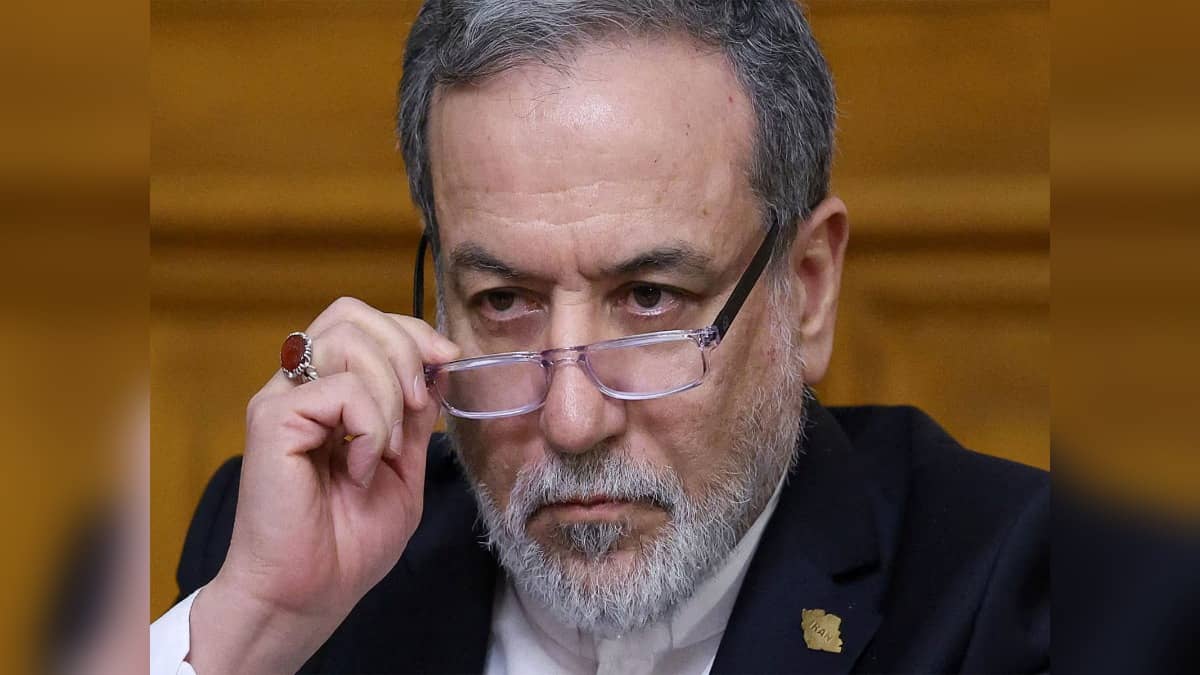
- Core Development: Iranian Foreign Minister Seyed Abbas Araghchi dismissed US President Donald Trump's sweeping economic sanctions as a distraction from mounting American debt.
- Beat Context: Categorized under World with independent corroboration.
- Reporting Depth: 3 minute analytical read synthesized from verified newsroom sources.
Tehran has hit back at Washington following an announcement by United States President Donald Trump detailing what he termed an Economic D-Day against the Islamic Republic. According to Iranian Foreign Minister Seyed Abbas Araghchi, the sweeping financial measures are merely a diversion from mounting economic pressures within the United States.
The confrontation also impacts global financial markets, with Cityam reporting that stocks remain shaky and oil prices continue to hold over $91 as geopolitical tensions mount.
Media additions
Escalation and Economic Warfare
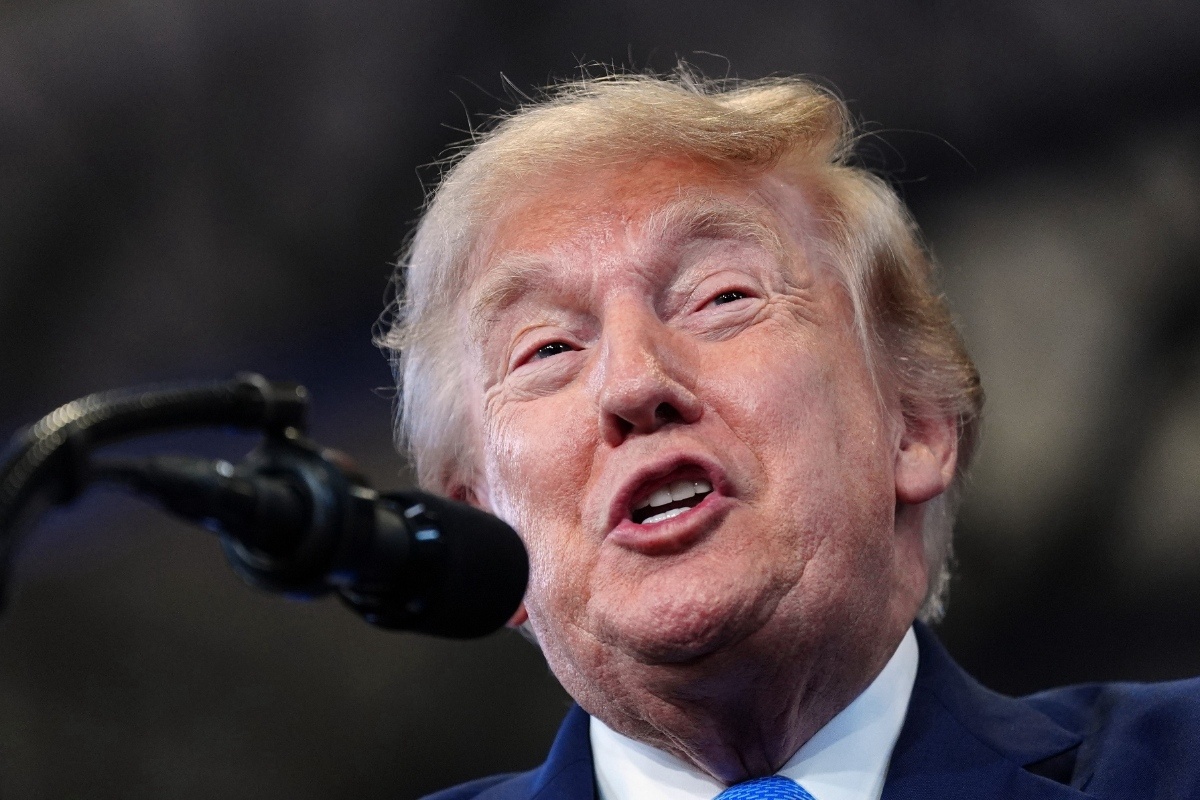
President Trump used Truth Social to announce what he described as the most crushing economic operation ever taken against any country. He characterized the impending measures as economic warfare and isolation on an unprecedented scale, calling the measures historic and asserting that they have the ability to cripple Tehran. The US President claimed that Tehran failed to take a diplomatic deal when given the opportunity, declaring that Iran would never be allowed to acquire nuclear weapons.
The announced sanctions target key economic lifelines in Iran. Washington intends to clamp down on oil smuggling networks, swap lines, cash transfers, exchange houses, ship registries, and front companies. Furthermore, the US administration warned that any nation providing a financial lifeline to Tehran would face tremendous economic consequences.
Trump maintained that the Strait of Hormuz remains open, that oil continues to flow through the narrow waterway even as stockpiles have depleted, and that the ongoing naval blockade has proven extremely effective. He also insisted that there were no talks going on, or scheduled, with Iran.
Tehran Responds to Washington's Move
Iranian Foreign Minister Araghchi utilized social media platform X to reject the US threats. He argued that the so-called Economic D-Day serves to distract public attention from unprecedented national debt and surging interest costs burdening the American economy.
"The so-called 'Economic D-Day' is a diversion from America's own crisis: unprecedented debt & surging interest costs. Doubling down on failed policies will only bring further defeat--and enmity of Iranians. US economic terrorism threatens global economy and sovereignty worldwide."
Seyed Abbas Araghchi, Iranian Foreign Minister, via Republicworld
To substantiate his claims regarding American financial strain, Araghchi shared recent media reports highlighting the US national debt reaching $40 trillion. US Treasury Department data cited in the reporting indicates that the federal debt expanded by $1 trillion over a five-month span, while the federal government accumulated a deficit of $1.8 trillion during the initial months of the current fiscal year.
Regional Repercussions and Alliances
The diplomatic fracture extends beyond direct bilateral friction between Washington and Tehran. The United Arab Emirates announced a suspension of financial and economic transactions with Iran after accusing Tehran of launching ballistic missiles at its territory.
President Trump explicitly called on international allies to join the United States in isolating Iran, telling allies they know who they are and that Washington needs them to stand with the US. When addressing technology leaders regarding potential further measures, Trump noted that Washington retains very draconian sanctions ready for deployment, adding that the situation could either lead to a major drop in oil prices or a continuation of the current measures.
Timeline of Recent Events
- Monday: A 60-day ceasefire between the US and Iran officially concluded, with officials in Tehran describing a potential future agreement as being in a coma rather than dead.
- Tuesday: US federal debt reached a record $40 trillion, according to data cited from the US Treasury Department.
- Wednesday: President Trump announced the Economic D-Day and sweeping economic warfare measures via Truth Social.
- Thursday: Iranian Foreign Minister Araghchi responded on X, condemning the US strategy as a diversion from domestic American debt crises.
What to Watch Next
Observers will track whether international allies choose to align fully with Washington's isolation campaign, alongside subsequent shifts in global crude inventories and oil prices. Market watchers will also monitor whether the situation leads to oil prices dropping or a continuation of the current economic measures.
How significant is this development?
Contribute your assessment to the aggregated reader sentiment ledger.
Frequently Asked Questions
Key questions answered in this reportWhat is the key development in: Economic D-Day: Diversion from America's Own Crisis, Says Iranian FM Araghchi?
Iranian Foreign Minister Seyed Abbas Araghchi dismissed US President Donald Trump's sweeping economic sanctions as a distraction from mounting American debt.
Why is this World development significant for the UK?
This report covers critical events in our World beat. Independent reporting monitors related UK statements, regulatory shifts, and public responses as further verified details emerge.
How was this reporting corroborated and verified?
Newsarchy UK compiles and cross-references reporting from primary reporting from cityam.com and cross-checked wire reports. All coverage adheres to published editorial standards.
When was this report published?
This briefing was published on August 20, 2026 and is permanently cataloged in the Newsarchy UK World archives.