Pakistani army chief Asim Munir to visit Tehran on Monday
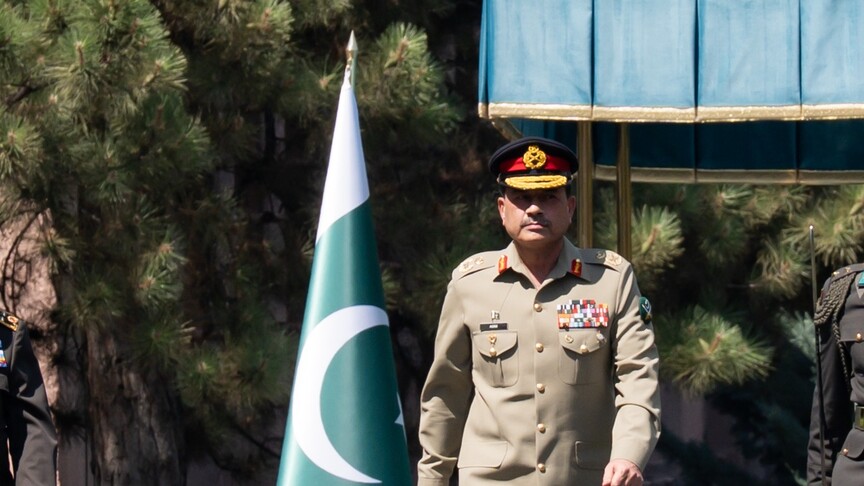
Pakistani army chief Asim Munir will travel to Tehran to hold discussions with senior Iranian officials to bolster bilateral cooperation.

- Core Development: Pakistani army chief Asim Munir will travel to Tehran to hold discussions with senior Iranian officials to bolster bilateral cooperation.
- Beat Context: Categorized under World with independent corroboration.
- Reporting Depth: 3 minute analytical read synthesized from verified newsroom sources.
Pakistani army chief Asim Munir will travel to Tehran on Monday to hold discussions with senior Iranian officials. Iran’s Foreign Ministry spokesperson Esmaeil Baghaei announced the upcoming visit, emphasizing that the trip is designed to bolster bilateral cooperation and build upon Islamabad’s diplomatic initiatives aimed at bringing peace and stability to the region.
The diplomatic mission arrives as channels strain under renewed threats of economic warfare from Washington and ongoing security friction across the Middle East. Pakistan has maintained a mediator role in negotiations between Iran and the U.S. Aimed at ending the war which began with U.S. And Israeli strikes on Iran in February. Pakistani government sources confirmed the itinerary to international news agencies, noting that discussions will directly address regional developments, proposed memorandums of understanding, and the looming escalation of western economic pressure. According to a Pakistani source, Munir will discuss peace under Islamabad’s MOU, President Donald Trump’s warnings, and the situation after the Pakistan-Turkey-Saudi Arab Agreement and Houthi issues with Iranian leaders.
Media additions
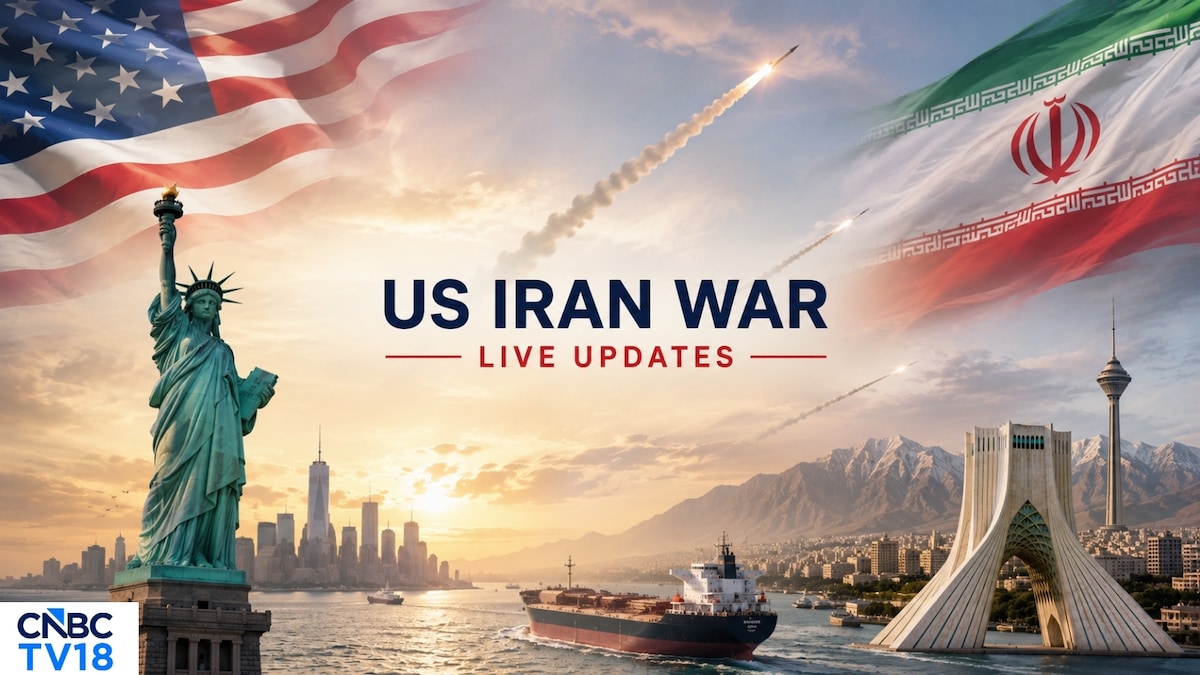
The diplomatic mission coincides with an impending announcement on details related to planned sanctions which U.S. Officials have described as the toughest sanctions in history on Iran. U.S. Treasury Secretary Scott Bessent has signaled aggressive measures against Tehran, while President Donald Trump has warned that countries providing economic lifelines to Iran could face severe financial consequences. These developments threaten to exacerbate an already fragile economic landscape in Iran, where oil shipments remain largely stalled in the vital Strait of Hormuz.
Tensions in the region remain acute following months of intermittent military exchanges. Although Washington and Iran signed a memorandum of understanding on June 17 and launched negotiations toward a final agreement, the talks later stalled over disagreements on security guarantees and freedom of navigation through the Strait of Hormuz, one of the world's most strategic routes for global energy supplies and trade. Iranian President Masoud Pezeshkian defended the memorandum of understanding with the U.S., calling it the best path out of the current neither war nor peace situation, stressing that the agreement does not amount to capitulation while pointing out the necessity to reduce economic risks and attract investment.
At the same time, hardline voices within Tehran's security establishment have issued stark warnings to neighboring states. Mohsen Rezaei, Iran’s new Supreme National Security Council chief, cautioned regional countries against cooperating with U.S.-led economic pressure campaigns, threatening retaliation against any neighbor aiding Washington's containment strategy. Rezaei warned that those cooperating with the U.S. Will be considered enemies and that if they join the economic war, not a single drop of oil will leave the Persian Gulf and the Strait of Hormuz. Rezaei also stated that once the Strait of Hormuz reopens, Iran will manage the waterway and charge a fee for its use, noting that this arrangement is separate from an agreement reached with Oman on a proposed alternative route.
Key Diplomatic and Security Dynamics
- Mediation Role: Islamabad continues utilizing direct channels to bridge the diplomatic gap between Washington and Tehran, building upon the framework of the Islamabad Memorandum of Understanding.
- Sanctions Pressure: The U.S. Treasury prepares to unveil sweeping financial measures aimed at isolating Iranian revenue streams, with potential secondary sanctions targeting Chinese independent refiners and major financial institutions.
- Energy Transit: Maritime traffic through the Strait of Hormuz remains heavily disrupted, with Iranian authorities maintaining stringent restrictions and security warnings for commercial vessels.
Further updates on regional security and bilateral negotiations are expected as coverage continues to track developments out of Tehran and Washington ahead of the anticipated sanctions announcement.
How significant is this development?
Contribute your assessment to the aggregated reader sentiment ledger.
Frequently Asked Questions
Key questions answered in this reportWhat is the key development in: Pakistani army chief Asim Munir to visit Tehran on Monday?
Pakistani army chief Asim Munir will travel to Tehran to hold discussions with senior Iranian officials to bolster bilateral cooperation.
Why is this World development significant for the UK?
This report covers critical events in our World beat. Independent reporting monitors related UK statements, regulatory shifts, and public responses as further verified details emerge.
How was this reporting corroborated and verified?
Newsarchy UK compiles and cross-references reporting from primary reporting from cnbctv18.com and cross-checked wire reports. All coverage adheres to published editorial standards.
When was this report published?
This briefing was published on August 23, 2026 and is permanently cataloged in the Newsarchy UK World archives.