Austria opens police station at Hitler birthplace to deter neo-Nazis
Authorities have converted Adolf Hitler's birthplace into a police station to neutralise its toxic legacy and deter neo-Nazi sympathisers from the site.
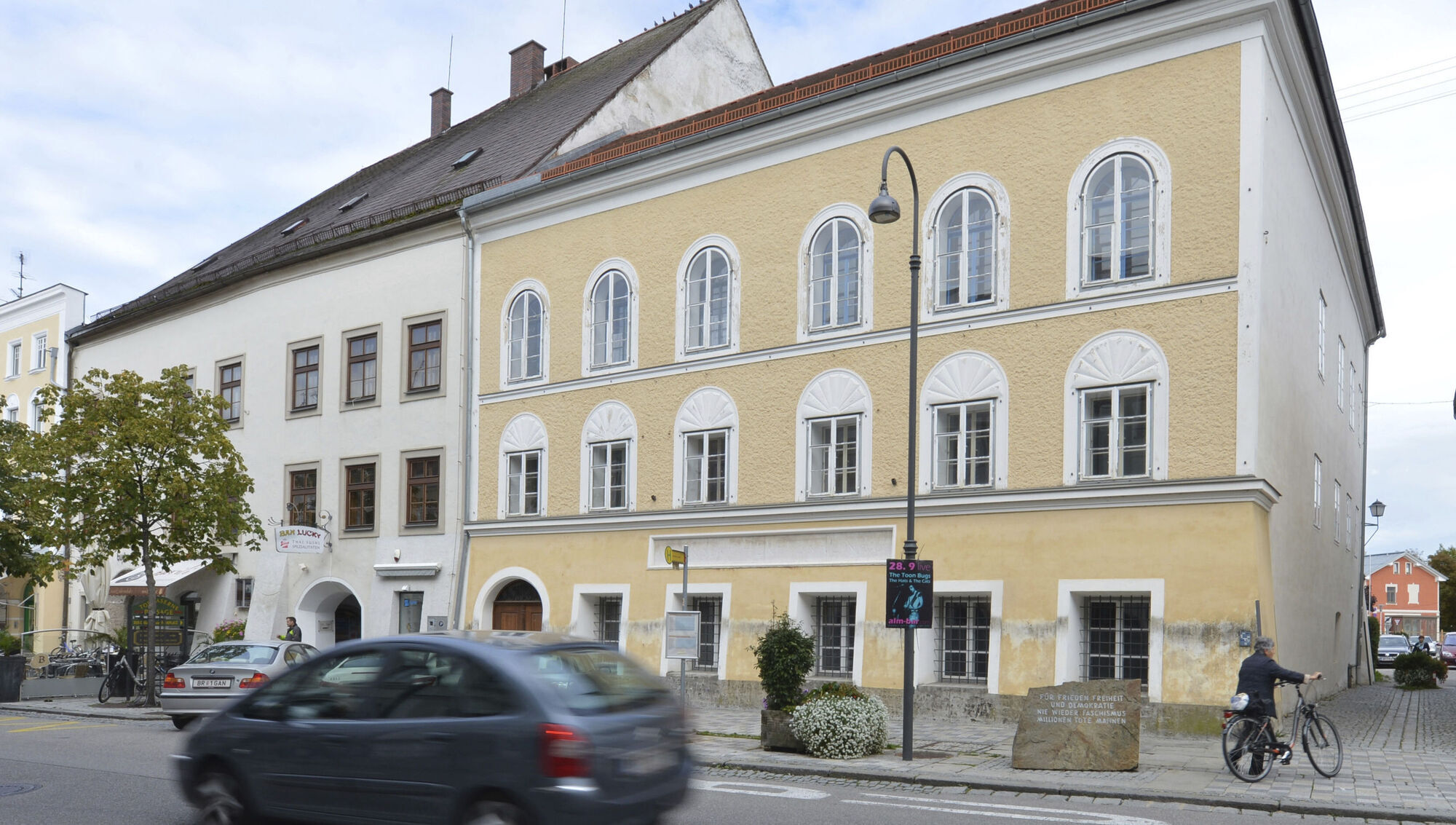
- Core Development: Authorities have converted Adolf Hitler's birthplace into a police station to neutralise its toxic legacy and deter neo-Nazi sympathisers from the site.
- Beat Context: Categorized under World with independent corroboration.
- Reporting Depth: 3 minute analytical read synthesized from verified newsroom sources.
Austria has officially repurposed the birthplace of Adolf Hitler as a police station, a move authorities describe as a vital effort to neutralise
the site’s toxic legacy. Located in the centre of Braunau am Inn, the building now serves as a workspace for a police unit dedicated to narcotics trafficking. Officials hope that establishing a permanent law enforcement presence at the location will deter the neo-Nazi sympathisers who have long treated the site as a pilgrimage destination.
The building, which contains sections dating back to the 1600s, was where Hitler was born on 20 April 1889, occupying a rented flat for the first weeks of his life. Historically, the structure functioned as an inn and brewery with residential flats on the upper floors. For years, the property has been a flashpoint for controversy, with skinheads frequently gathering before its ochre facade to lay flowers and wreaths or perform illegal Nazi salutes on the anniversary of the dictator’s birth. Local residents, who have grown weary of these displays, have frequently labelled the building the house of evil
.
Media additions
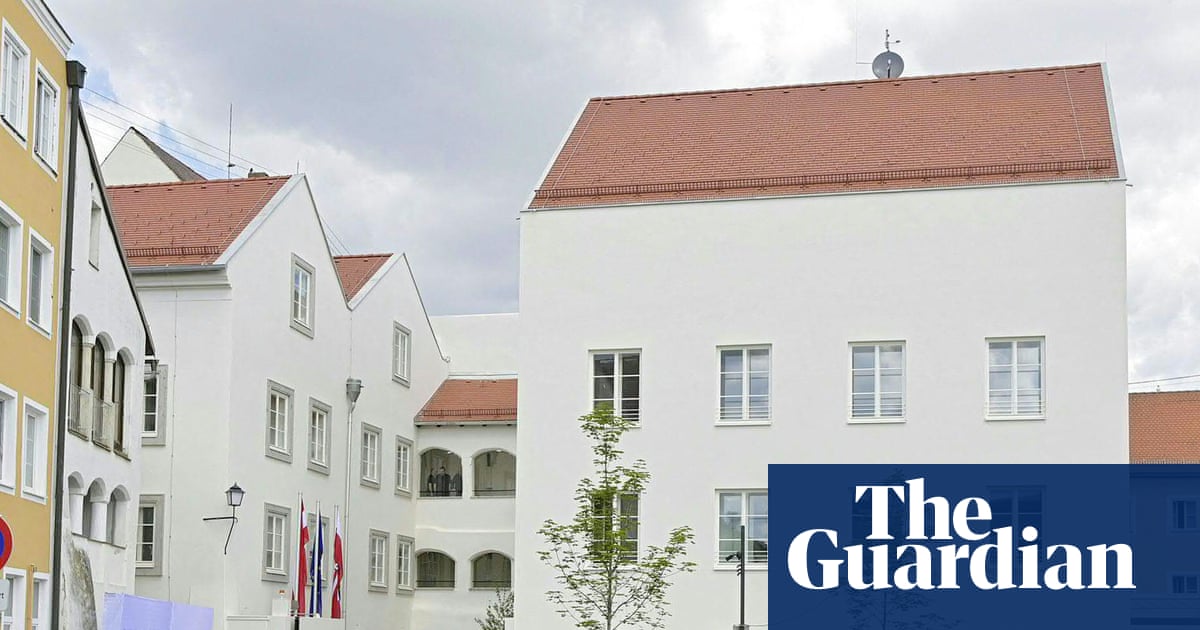
The government’s decision to convert the site follows years of intense public and political debate. An expert commission previously evaluated the building’s future, ultimately rejecting proposals for a museum. The commission argued that a museum would risk attracting further right-wing extremist interest, noting that the blood and soil
ideology often reveres sites associated with Nazi figures. While some members of the public suggested demolition to remove the structure entirely, others cautioned that doing so would merely obfuscate a critical chapter of local history. In line with the commission’s recommendations, the site has now been put to official and administrative use.
At the opening ceremony, Austrian interior minister Gerhard Karner framed the transformation as the beginning of a new chapter
for the property. He described the building as a place for democracy, the rule of law, security
, while adding that memory will not disappear
.
The logistics of the conversion reflect the extreme sensitivity surrounding the site. The renovation, which reached an estimated cost of €20m, included the disposal of all construction rubble at a secret location to prevent any remnants from being salvaged as relics for neo-Nazi devotees. Additionally, the district police commander, Stefan Haslberger, noted that the site’s strategic location near the German border makes it a critical point for monitoring narcotics smuggling, providing a practical function for the new police unit beyond its symbolic role.
The site has presented a sustained challenge for authorities. Following its use as a care home for people with disabilities, the building stood empty from 2011. Outside, a memorial stone from the former Mauthausen concentration camp remains, with an inscription that reads:
The site’s digital presence has also been targeted; recently, hackers altered its address on mapping services to display the number 88, a known neo-Nazi numerical code for"For peace, freedom and democracy. Never again fascism. The millions who died serve as a warning."
Heil Hitlerbased on the eighth letter of the alphabet.
This development arrives in a complex political climate. In September 2024, the far-right Freedom party, which was established by former Nazis, secured the most votes in a national election, though it failed to form a government as mainstream parties refused to enter into a coalition with it. Historians point out that Austria’s historical path remains complicated by the 1938 annexation by Nazi Germany, a period that led many to distance the country from its complicity in the Holocaust and subsequent crimes.
The shift follows a pattern of repurposing locations associated with the Third Reich. Hitler’s former apartment on Munich’s Prinzregentenplatz has functioned as a police station since the late 1940s, whereas his official residence in Berlin’s Reichskanzlei was destroyed by bombing during the Second World War.
How significant is this development?
Contribute your assessment to the aggregated reader sentiment ledger.
Frequently Asked Questions
Key questions answered in this reportWhat is the key development in: Austria opens police station at Hitler birthplace to deter neo-Nazis?
Authorities have converted Adolf Hitler's birthplace into a police station to neutralise its toxic legacy and deter neo-Nazi sympathisers from the site.
Why is this World development significant for the UK?
This report covers critical events in our World beat. Independent reporting monitors related UK statements, regulatory shifts, and public responses as further verified details emerge.
How was this reporting corroborated and verified?
Newsarchy UK compiles and cross-references reporting from primary reporting from theguardian.com and cross-checked wire reports. All coverage adheres to published editorial standards.
When was this report published?
This briefing was published on July 22, 2026 and is permanently cataloged in the Newsarchy UK World archives.