Canada bans entry to foreign nationals who recently visited Congo for Ebola
Canada has introduced an entry ban for foreign nationals who have visited the Democratic Republic of the Congo within the last 21 days. This policy, which aims to mitigate Ebola risks, contradicts guidance from the World Health Organization regarding international travel.
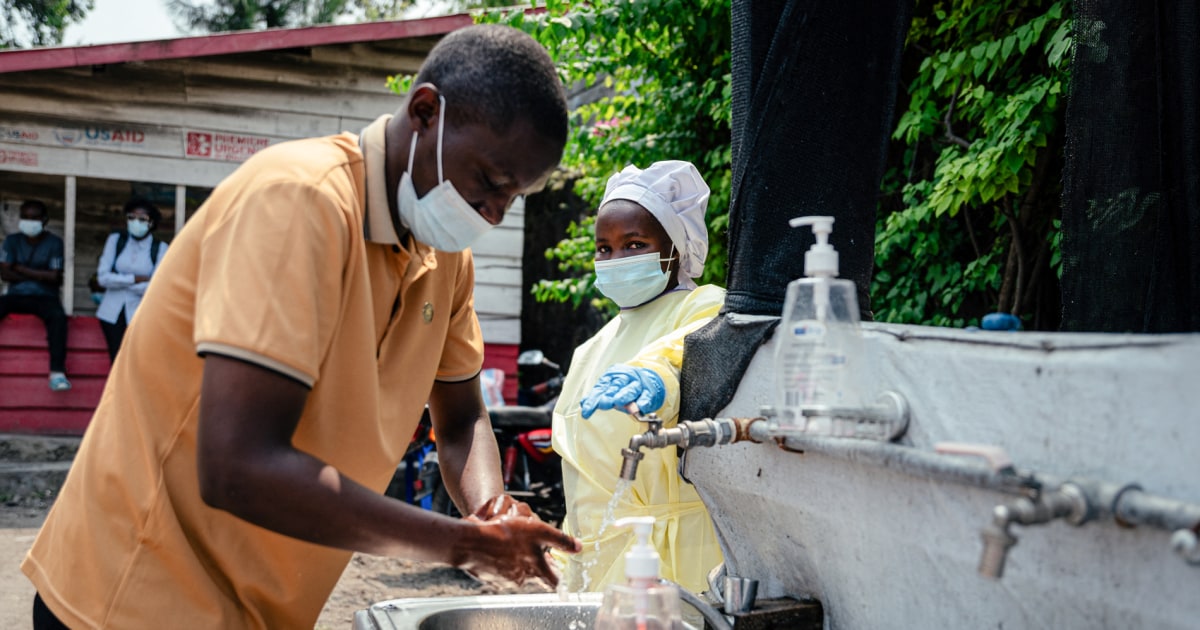
- Core Development: Canada has introduced an entry ban for foreign nationals who have visited the Democratic Republic of the Congo within the last 21 days. This policy, which aims to mitigate Ebola risks, contradicts guidance from the World Health Organization regarding international travel.
- Beat Context: Categorized under World with independent corroboration.
- Reporting Depth: 3 minute analytical read synthesized from verified newsroom sources.
Canada is implementing strict new border measures as the government moves to block entry to foreign nationals who have traveled to the Democratic Republic of the Congo within the last 21 days. The policy, announced by the Public Health Agency of Canada on Sunday, aims to mitigate the risk of importing Ebola as the virus spreads rapidly across the region.
The restrictions are scheduled to take effect on Monday at 11:59 p.m. ET. Under the new directive, commercial and private air carriers are legally required to deny boarding to any foreign national who has set foot in the Democratic Republic of the Congo during the three-week period preceding their arrival in Canada. The measures are slated to remain in place until Aug. 29.
Media additions



Public Health Rationale vs. Global Guidance
While the Public Health Agency of Canada maintains that the overall health risk to the Canadian public remains low and no travel-related cases have been identified domestically, officials stated the move is necessary to manage border processing effectively. The agency noted that the current outbreak, which has reached over 2,181 confirmed cases and 864 deaths, is expanding at a concerning rate. Recent modeling forecasts approximately 3,200 cumulative cases and up to 1,330 deaths by the end of July, with current data suggesting case numbers double every 21 days.
The decision stands in direct opposition to recommendations issued by the World Health Organization. The international body has consistently advised against trade and travel restrictions regarding the Democratic Republic of the Congo, warning that such policies create unnecessary stigma and can ultimately hinder efforts to contain an epidemic. According to the World Health Organization, the risk of the outbreak spreading internationally is considered low, and the organization has emphasized that the spread of the virus is not determined by an individual's nationality or ethnicity.
Status of Travelers and Residents
The new rules apply specifically to foreign nationals. Canadian citizens, permanent residents, and those registered under the Indian Act who have visited the Democratic Republic of the Congo, as well as South Sudan and Uganda, are still permitted to enter the country. However, these individuals are subject to a mandatory health assessment upon arrival and must undergo a 21-day quarantine.
The exclusion of South Sudan and Uganda from the total entry ban marks a shift from the previous approach established in late May. At that time, Canada suspended certain immigration documentation and mandated self-isolation for all travelers arriving from all three affected countries. Historically, the volume of travelers between the affected regions and Canada remains low.
International Comparison
Canada’s move follows a similar escalation in international border controls. The United States recently introduced measures preventing individuals who have been in the Democratic Republic of the Congo within the previous 21 days from entering the country via commercial aviation.
| Category | Policy Detail |
|---|---|
| Effective Date | Monday at 11:59 p.m. ET |
| Target Group | Foreign nationals with recent travel to the Democratic Republic of the Congo |
| Exemptions | Canadian citizens, permanent residents, and those registered under the Indian Act |
| Quarantine Requirement | 21 days for exempt travelers from Congo, Uganda, and South Sudan |
| End Date | Aug. 29 |
As the government prepares to enforce these measures, health officials continue to monitor the situation. While the Public Health Agency of Canada describes the policy as an act of "abundance of caution," the ongoing friction with international health guidelines highlights the challenge of balancing border security with the requirements for global humanitarian cooperation.
How significant is this development?
Contribute your assessment to the aggregated reader sentiment ledger.
Frequently Asked Questions
Key questions answered in this reportWhat is the key development in: Canada bans entry to foreign nationals who recently visited Congo for Ebola?
Canada has introduced an entry ban for foreign nationals who have visited the Democratic Republic of the Congo within the last 21 days. This policy, which aims to mitigate Ebola risks, contradicts guidance from the World Health Organization regarding international travel.
Why is this World development significant for the UK?
This report covers critical events in our World beat. Independent reporting monitors related UK statements, regulatory shifts, and public responses as further verified details emerge.
How was this reporting corroborated and verified?
Newsarchy UK compiles and cross-references reporting from primary reporting from nbcnews.com and cross-checked wire reports. All coverage adheres to published editorial standards.
When was this report published?
This briefing was published on July 19, 2026 and is permanently cataloged in the Newsarchy UK World archives.