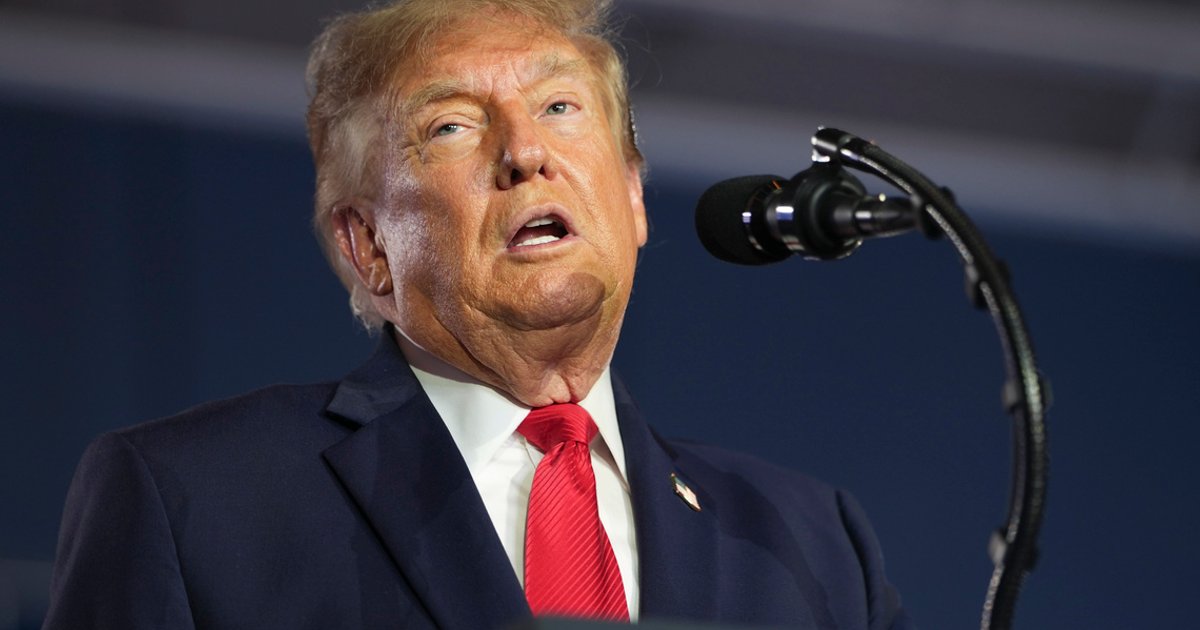
Trump's Midterm Loss May Push US Toward Diplomacy with Iran
The Republican Party's loss of both congressional chambers in the midterm elections could force a recalibration of U.S. foreign policy toward Iran.
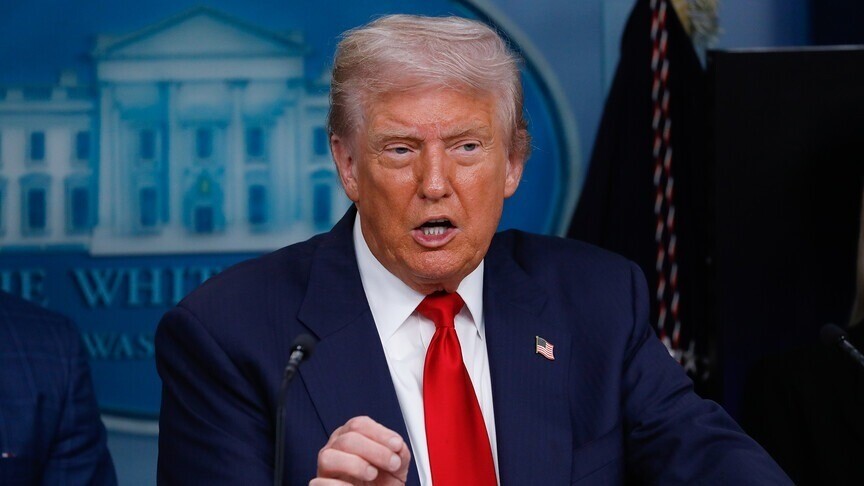
- Core Development: The Republican Party's loss of both congressional chambers in the midterm elections could force a recalibration of U.S. foreign policy toward Iran.
- Beat Context: Categorized under World with independent corroboration.
- Reporting Depth: 4 minute analytical read synthesized from verified newsroom sources.
On the night of November 3, 2026, the United States saw an unprecedented shift in its political landscape: the Republican Party lost control of both the House and Senate, and the war in the Persian Gulf, which had dominated the Trump presidency, was now a central point of contention. The result raises questions about whether the former president will pursue a new path toward diplomacy with Iran or double down on military pressure.
In the days before the vote, analysts had been warning that the conflict in the Strait of Hormuz could backfire on Trump’s domestic standing. AA reported that “the cost of living, inflation and the war with Iran” were key factors that pushed voters toward Democratic candidates. The White House acknowledged the war’s influence on the outcome, with Vice President J.D. Vance blaming the conflict for Republican losses in a social‑media post that echoed the sentiment of the day’s election results.
Media additions


While the war’s future remains uncertain, the new congressional majority is poised to influence it. Time noted that Democrats now hold 54 Senate seats and have taken control of the House. The shift gives them the tools to conduct hearings, subpoena officials and potentially launch impeachment proceedings. “With control of both chambers, Democrats will be able to hold hearings, demand information from administration officials and challenge funding decisions,” the article said, citing the potential for new oversight of the war.
In the immediate aftermath, the White House has signaled a willingness to work with the new Congress. “I have a right to veto everything, but I don’t want to be just sitting there for two years vetoing everything,” Trump told Time. The statement hints at a possible recalibration of executive‑legislative dynamics on foreign policy, especially on the Iran front.
Iran’s reaction to the U.S. Electoral shift is also noteworthy. AA reported that Tehran remains skeptical of Washington’s intentions, citing the collapse of a 14‑point memorandum of understanding as evidence that the U.S. Might not remain committed to diplomacy.
The war’s human cost has also been front‑and‑center in the campaign. The U.S. Forces carried out limited strikes in the Strait of Hormuz on Monday, according to U.S. News media, and Iranian state media reported explosions on Qeshm and Hengam islands, as well as near Bandar Abbas. This figure is a key point of contention for voters who felt the war drove up energy prices and the cost of living.
While the war’s costs are undeniable, the new Democratic majority is likely to pursue a different approach. Newsweek highlighted that the administration’s “mixed signals” may lead to a shift toward “coercive diplomacy” aimed at extracting favorable terms from Iran rather than a full‑scale resumption of hostilities. The article noted that Washington and Tehran remain far apart on a potential agreement, with both sides viewing compromise as capitulation. “My sense is that Trump is keeping both options open: pursuing a deal while retaining the military option,” the source quoted a senior fellow at the Middle East Institute as saying.
In the days ahead, the new Congress will convene in January. The House will likely launch investigations into the war’s conduct, while the Senate may consider war‑powers legislation. The administration’s next moves will hinge on whether the U.S. Can find a diplomatic path that satisfies domestic voters’ demands for lower energy costs and a clear end to the conflict. A potential ceasefire or a new framework for nuclear negotiations could be on the table, but Tehran’s deep skepticism remains a significant hurdle.
What to Watch Next
- January 3: The new Congress convenes; first hearings on the Iran war are scheduled.
- Early 2027: Potential diplomatic talks in Qatar or other neutral venues, depending on U.S. And Iranian willingness.
- Mid‑2027: Possible passage of war‑powers legislation by a Democrat‑controlled Senate.
- Late 2027: Review of the $4 billion Israel aid cut and its implementation.
As the United States moves forward, the intersection of domestic politics and foreign policy will continue to play out on the world stage. The midterm loss may well force Trump to recalibrate his approach to Iran, potentially opening a window for diplomacy that had been closed by the war’s escalation. The next year will reveal whether the new Democratic majority can shape U.S. Policy in a way that satisfies both the electorate’s demand for peace and the strategic imperatives of the Middle East.
How significant is this development?
Contribute your assessment to the aggregated reader sentiment ledger.
Frequently Asked Questions
Key questions answered in this reportWhat is the key development in: Trump's Midterm Loss May Push US Toward Diplomacy with Iran?
The Republican Party's loss of both congressional chambers in the midterm elections could force a recalibration of U.S. foreign policy toward Iran.
Why is this World development significant for the UK?
This report covers critical events in our World beat. Independent reporting monitors related UK statements, regulatory shifts, and public responses as further verified details emerge.
How was this reporting corroborated and verified?
Newsarchy UK compiles and cross-references reporting from primary reporting from newsweek.com and cross-checked wire reports. All coverage adheres to published editorial standards.
When was this report published?
This briefing was published on November 4, 2026 and is permanently cataloged in the Newsarchy UK World archives.