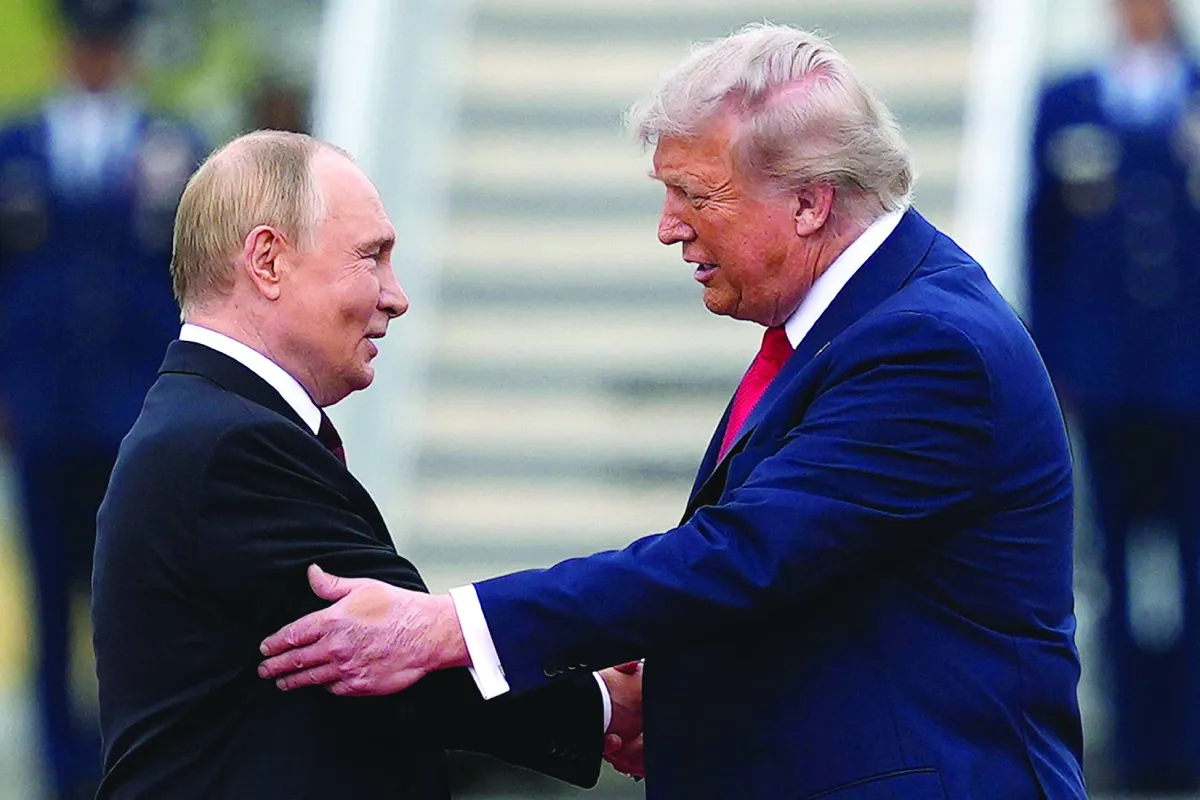
Canada suspends trade talks with US as 50% tariffs take effect
Prime Minister Mark Carney suspended trade talks and recalled Canadian negotiators after 50% U.S. tariffs took effect on $20 billion worth of Canadian exports.
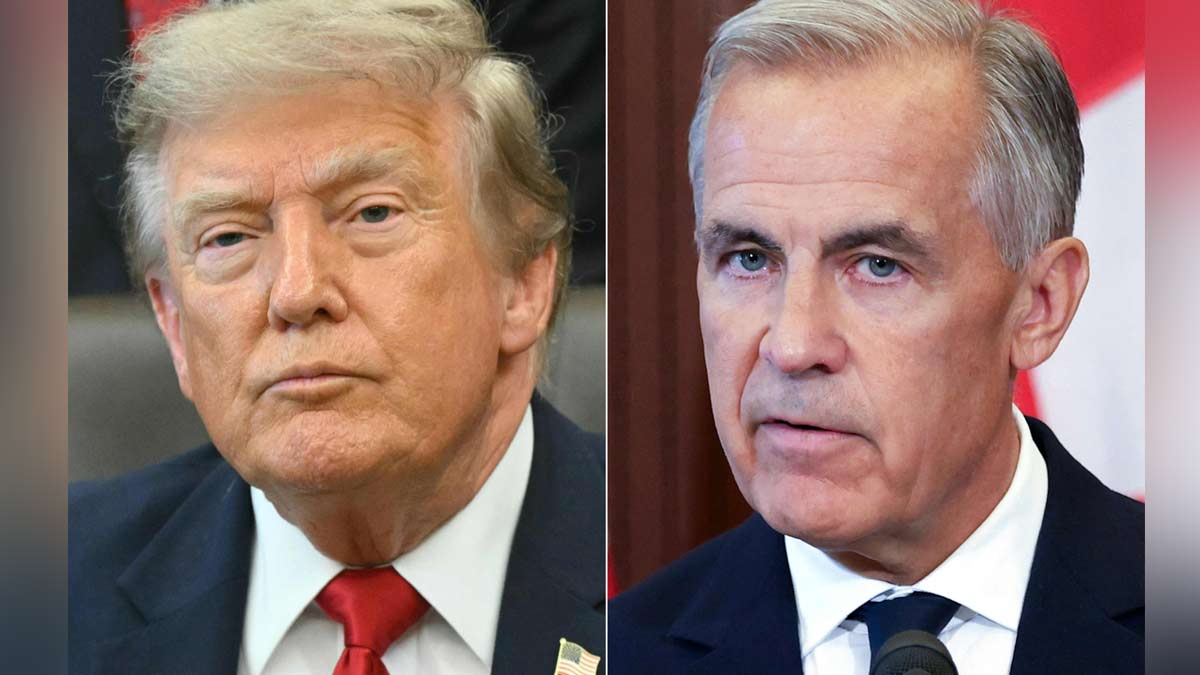
- Core Development: Prime Minister Mark Carney suspended trade talks and recalled Canadian negotiators after 50% U.S. tariffs took effect on $20 billion worth of Canadian exports.
- Beat Context: Categorized under World with independent corroboration.
- Reporting Depth: 4 minute analytical read synthesized from verified newsroom sources.
The long-standing economic partnership between Ottawa and Washington faced a profound fracture as reported by AP News, following the dramatic collapse of bilateral trade negotiations. Prime Minister Mark Carney suspended the talks and recalled Canadian negotiators to Ottawa after describing late-night American terms as unfair and uneconomic. The breakdown triggered sweeping fifty per cent tariffs on twenty billion dollars worth of Canadian exports to the United States, affecting roughly five per cent of everything Canada sells southward.
The levies took effect at midnight, covering goods ranging from wine and dairy to cement, clothing, and hockey equipment. To implement the tariffs, the administration of U.S. President Donald Trump utilized Section 338 of the Tariff Act of 1930, a long-dormant Great Depression-era law that authorizes import taxes of up to fifty per cent on goods from countries deemed to have discriminated against American businesses.
Media additions

At the center of the collapse was a U.S. Demand that went far beyond traditional tariff schedules. According to Prime Minister Carney, Washington sought restrictions on Canada's sovereign freedom to negotiate trade agreements with other nations, a condition he argued would reduce Canada to an economic dependency. Furthermore, American negotiators pushed to exclude medium and heavy-duty trucks from tariff relief while demanding that Canada match U.S. Tariff levels against all third-party nations.
United States Trade Representative Jamieson Greer offered a starkly different perspective on the breakdown, asserting that Canada introduced new demands and walked back commitments agreed upon earlier in the week. In an interview with Fox13now, Greer maintained that the administration had offered to cut tariffs on steel, autos, and lumber, but that Canada simply did not want the deal.
The escalating dispute marks a stark departure from decades of close economic integration under frameworks like the North American Free Trade Agreement and its successor. Political science professor Daniel Béland of McGill University noted that the crisis signals the end of the traditional bilateral dynamic.
"The collapse of the tariff talks points to the fact that the old Canada-U.S. relationship is over and, for many Canadians, it also confirms the perception that Canada can't trust the Trump administration,"
Daniel Béland, Political science professor, McGill University, via AP News
Ottawa has vowed a robust response. Prime Minister Carney announced that retaliatory tariffs matching the American measures dollar for dollar will come into force on September 8, targeting steel, dairy, appliances, agricultural equipment, pulp, paper, and electronics. The federal government is simultaneously preparing financial support for vulnerable sectors, particularly steel producers and smaller exporters.
The crisis has galvanized a rare display of domestic unity across Canada's political spectrum. Provincial premiers, including Ontario's Doug Ford, British Columbia's David Eby, Manitoba's Wab Kinew, and Saskatchewan's Scott Moe, threw their backing behind Carney's decision to walk away from the table. However, divisions quickly emerged over the wisdom of retaliatory measures. Alberta Premier Danielle Smith cautioned during a talk radio appearance that retaliation would drive up costs for local farmers and ranchers who rely on imported agricultural machinery.
Business leaders expressed deep alarm over the long-term economic fallout. Dennis Darby, chief executive officer of Canadian Manufacturers and Exporters, warned The Globe and Mail that persistent volatility severely erodes corporate confidence in making capital investments. Similar concerns were echoed by industry groups and U.S. Regional leaders who rely heavily on cross-border supply chains.
Elected officials across the border also criticized the escalation. Maine Governor Janet Mills stated that her state had grown weary of unending trade whiplash, while Michigan Governor Gretchen Whitmer warned that the tariffs function as a tax hike on families at the grocery store and gas pump. Senators including Susan Collins, Chuck Schumer, Patty Murray, and Amy Klobuchar, alongside California Governor Gavin Newsom and New York Governor Kathy Hochul, voiced deep concern over the disruption to regional economies and historic alliances.
As the trade dispute enters uncharted territory, attention turns to upcoming diplomatic and economic milestones as detailed by Theweek:
- September 8, 2026: Canadian retaliatory tariffs take effect, targeting American steel, dairy, electronics, and agricultural equipment.
- Mid-September 2026: Toronto hosts the inaugural Canada Investment Summit, drawing global finance leaders managing trillions in capital as Ottawa accelerates its economic diversification strategy.
- Ongoing: Mandatory review periods for the US-MCA trade agreement face mounting uncertainty amid escalating bilateral tensions.
Prime Minister Carney has framed the crisis as a generational turning point, arguing that Canada must accelerate efforts to diversify its trade relationships across Europe and Asia to insulate its economy from future external shocks.
How significant is this development?
Contribute your assessment to the aggregated reader sentiment ledger.
Frequently Asked Questions
Key questions answered in this reportWhat is the key development in: Canada suspends trade talks with US as 50% tariffs take effect?
Prime Minister Mark Carney suspended trade talks and recalled Canadian negotiators after 50% U.S. tariffs took effect on $20 billion worth of Canadian exports.
Why is this World development significant for the UK?
This report covers critical events in our World beat. Independent reporting monitors related UK statements, regulatory shifts, and public responses as further verified details emerge.
How was this reporting corroborated and verified?
Newsarchy UK compiles and cross-references reporting from primary reporting from apnews.com and cross-checked wire reports. All coverage adheres to published editorial standards.
When was this report published?
This briefing was published on August 23, 2026 and is permanently cataloged in the Newsarchy UK World archives.