Japan's Chiba prefecture record rain kills four, strands 7,000 at Narita
Record-breaking torrential downpours in Chiba prefecture caused catastrophic flooding and landslides, killing four people and stranding thousands at Narita Airport.
- Core Development: Record-breaking torrential downpours in Chiba prefecture caused catastrophic flooding and landslides, killing four people and stranding thousands at Narita Airport.
- Beat Context: Categorized under World with independent corroboration.
- Reporting Depth: 4 minute analytical read synthesized from verified newsroom sources.
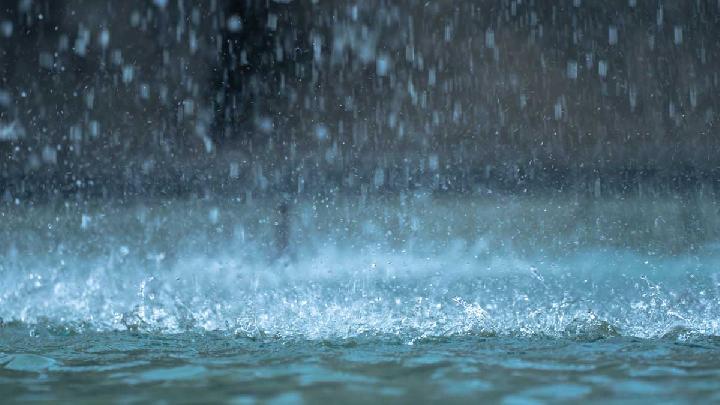
Record-breaking rainfall in Chiba prefecture turned a busy holiday travel period into a humanitarian crisis, leaving at least four people dead, one missing, and thousands stranded across transport hubs. Torrential downpours struck the region east of Tokyo on Thursday, August 14, 2026, dropping water at a rate of 115mm per hour in parts of the prefecture. Within 24 hours, some areas recorded more than 360mm of rain, an amount ordinarily measured across an entire month. The disaster prompted the Japan Meteorological Agency (JMA) to issue its highest-level Level 5 warning for heavy rains and landslides in the region for the first time.
The severe weather triggered widespread flooding, landslide warnings, and massive infrastructure disruptions. Major highways connecting Narita International Airport to central Tokyo were closed by highway operator NEXCO East, forcing drivers onto alternative routes and creating heavy congestion. Railway connections between the airport and the capital were suspended for hours. Although some rail services resumed Friday morning, many remained halted into the afternoon, leaving hundreds of passengers stranded at Chiba Station.
Media additions
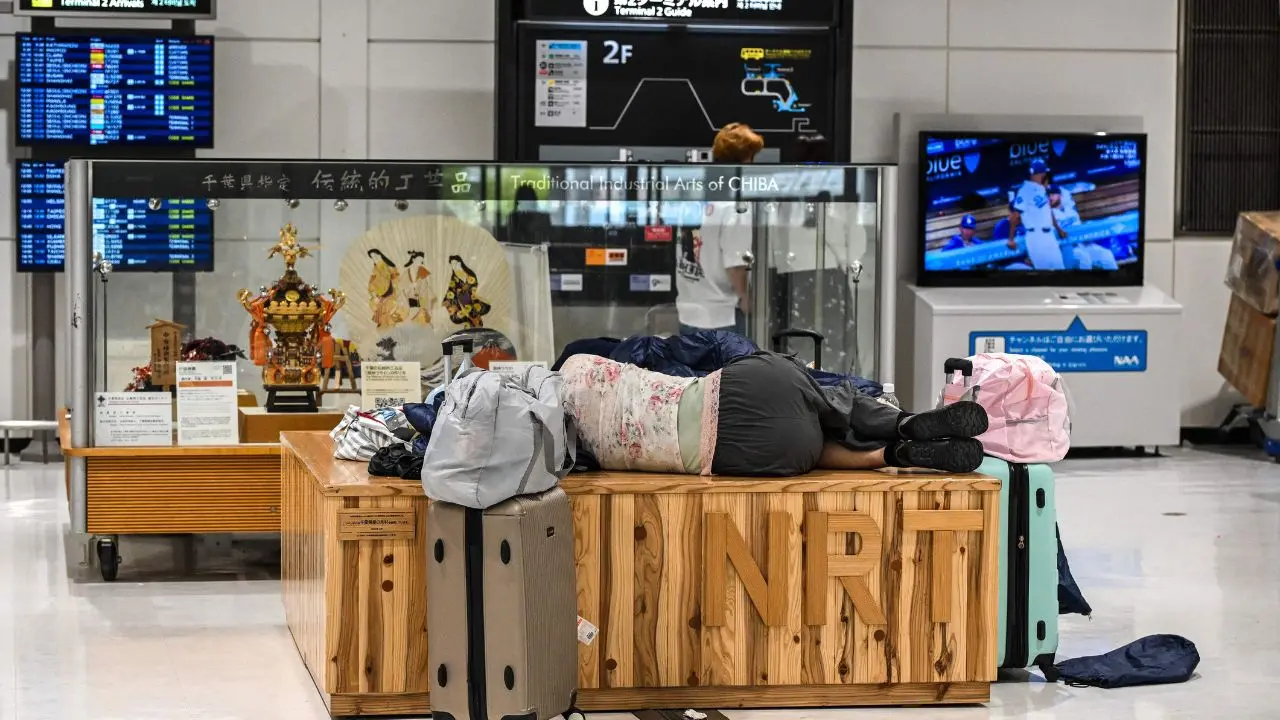
Transport paralysis left approximately 7,000 travellers stranded overnight at Narita International Airport, where passengers slept in Terminal 2. Airport staff distributed free water, food, and sleeping bags to those trapped. An airport spokesperson stated that flights were expected to operate normally, while Japan Airlines indicated that some flights might experience delays without any expected cancellations. Meanwhile, hundreds of other residents sought refuge in temporary shelters, including 1,700 people who found shelter at the Chiba prefectural government building.
Authorities responded with evacuation orders for more than 400,000 people across Chiba and neighboring areas, while soldiers from Japan's Self-Defense Forces were deployed to assist with rescue and relief operations. The Chiba Prefecture Disaster Management Office confirmed four fatalities. A man believed to be in his 60s or 70s was found floating in a flooded road in Ichikawa City, a 66-year-old woman died when her car became trapped in floodwaters in Sakura City, and two other victims were discovered after being unable to escape their vehicles or found collapsed in the streets. A fifth person is feared dead and another remains missing, according to the AFP.
"This case was an extremely unusual situation, even by Japan's historical weather standards. I have responded to many disasters in the past, but I have never experienced a case like this."
Chiba Governor Toshihito Kumagai, via The Guardian and Channel News Asia
Governor Kumagai shared his assessment with reporters on Friday morning. His remarks aligned with a warning issued earlier by a JMA official during a press conference on Thursday, who stated that the conditions were shaping up to be an unprecedented level of heavy rain. Scientists noted that human-driven climate change is making extreme weather events increasingly frequent, prolonged, and intense.
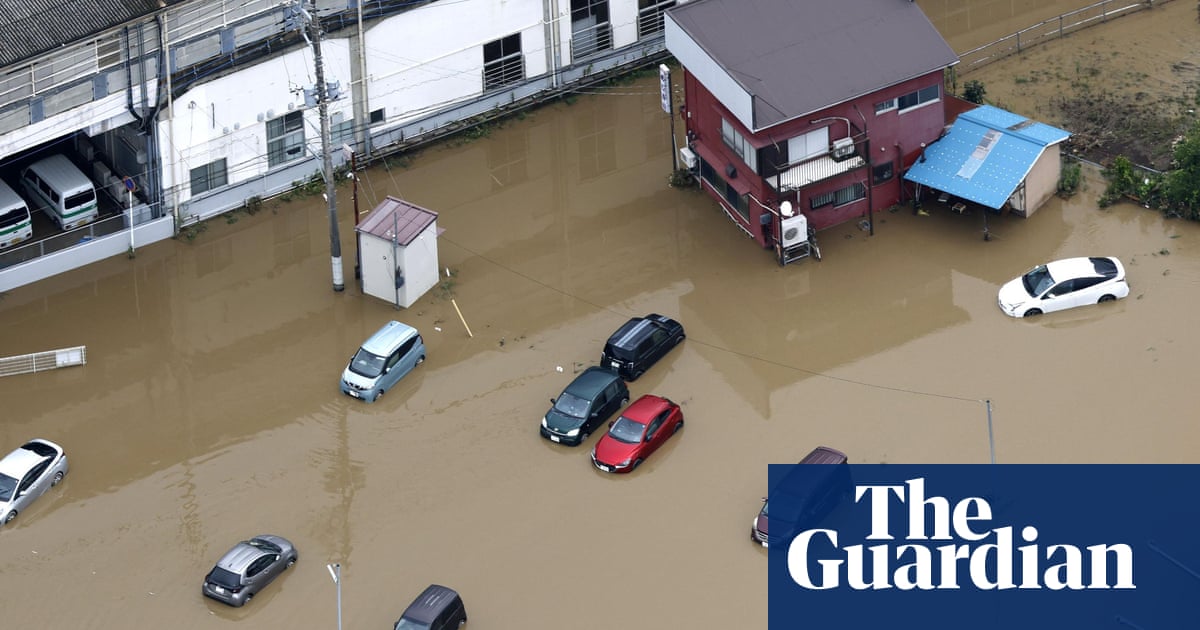
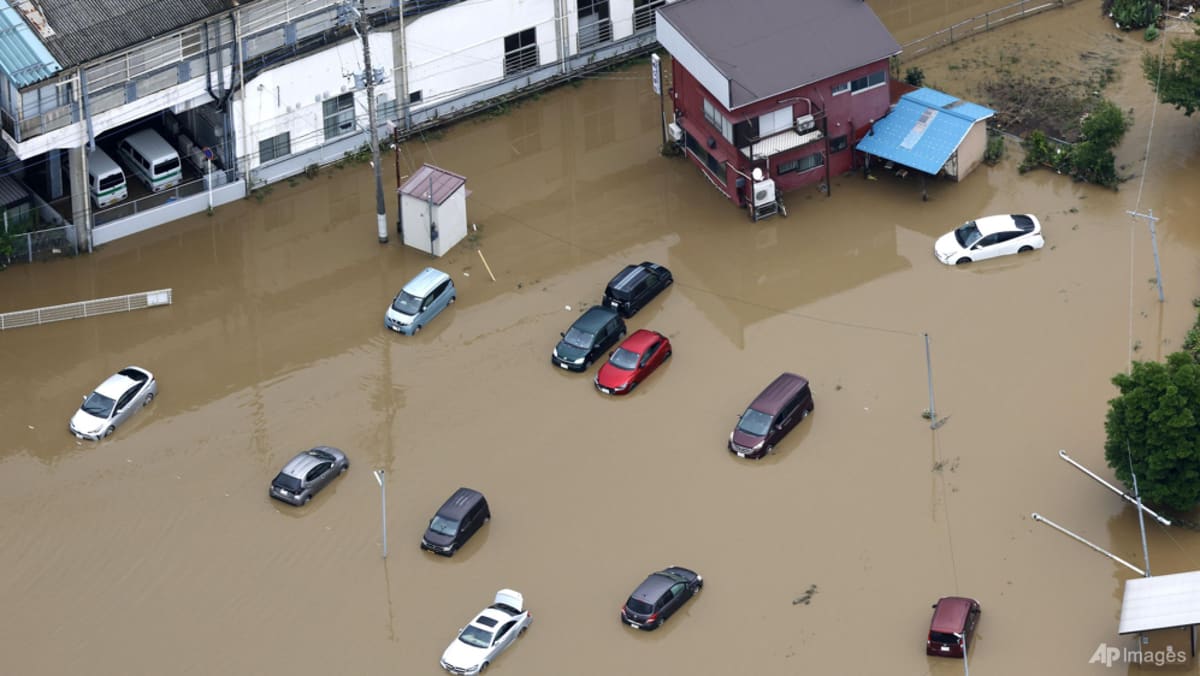
The downpour overwhelmed local infrastructure, causing power outages that initially affected about 45,000 homes. According to the Tokyo Electric Power Company, approximately 27,000 households across Chiba, Ibaraki, and Tochigi prefectures remained without power on Friday morning. Public broadcaster NHK footage captured dramatic scenes of water spurting violently from a maintenance hole and exceeding the height of a nearby five-storey building in Chiba's central ward. In Kashiwa city, vehicles were submerged up to their headlights, and aerial photographs from Oamishirasato displayed rows of cars awash in floodwater.
Residents expressed shock at the sudden nature of the disaster. A woman in Ichikawa city told NHK that the flooding happened all of a sudden as a complete surprise, leaving her worried about whether she could open her business in the coming days. Another traveller stranded at the airport remarked to NHK, "I never thought I'd spend the night at the airport but it is what it is and we are learning."
As rain subsided on Friday morning, the JMA downgraded its Level 5 warning to Level 4 for more than a dozen municipalities in Chiba prefecture. However, authorities urged continued vigilance as flood risks remain high. Kazuhito Shimamoto of the Ministry of Land, Infrastructure, Transport and Tourism urged residents to take precautions. For rivers where the risk of flooding is already high, please take action to protect your lives in any way possible,
Shimamoto said, adding that residents should check municipal evacuation advisories as flood risks increase further.
The JMA has forecast more rain later in the day, prompting authorities to maintain warnings for vulnerable river basins and flood-prone areas as the region struggles to recover from the disaster.
How significant is this development?
Contribute your assessment to the aggregated reader sentiment ledger.
Frequently Asked Questions
Key questions answered in this reportWhat is the key development in: Japan's Chiba prefecture record rain kills four, strands 7,000 at Narita?
Record-breaking torrential downpours in Chiba prefecture caused catastrophic flooding and landslides, killing four people and stranding thousands at Narita Airport.
Why is this World development significant for the UK?
This report covers critical events in our World beat. Independent reporting monitors related UK statements, regulatory shifts, and public responses as further verified details emerge.
How was this reporting corroborated and verified?
Newsarchy UK compiles and cross-references reporting from primary reporting from channelnewsasia.com and cross-checked wire reports. All coverage adheres to published editorial standards.
When was this report published?
This briefing was published on August 14, 2026 and is permanently cataloged in the Newsarchy UK World archives.