Codex Azcatitlán returns to Mexico for display after 186 years abroad
After nearly two centuries in France, the 16th-century Codex Azcatitlán has returned to Mexico for an exhibition at the National Museum of Anthropology.

- Core Development: After nearly two centuries in France, the 16th-century Codex Azcatitlán has returned to Mexico for an exhibition at the National Museum of Anthropology.
- Beat Context: Categorized under World with independent corroboration.
- Reporting Depth: 3 minute analytical read synthesized from verified newsroom sources.
After 186 years away from the country that birthed it, the Codex Azcatitlán has returned to Mexico to open its pages at the National Museum of Anthropology in Mexico City. The 16th-century pictorial manuscript, long held in France’s Bibliothèque Nationale, is now on loan as part of a cultural exchange that also sends the Codex Boturini to France. The move, announced by President Claudia Sheinbaum and French President Emmanuel Macron, marks 200 years of Franco-Mexican diplomatic ties and signals a broader push by Mexico to recover colonial-era artefacts.
The manuscript, drawn in the 16th century a few years after Spanish conquistadors first arrived, chronicles the rise and fall of the Aztec Empire in a series of vivid pictograms. It is considered one of the most valuable visual accounts of pre-Hispanic Mexica society. The codex was donated to France in 1898 by the widow of Eugene Goupil, a Franco-Mexican collector, after being brought to Paris a half-century earlier by French researcher Joseph Marius Alexis Aubin. For more than a century the parchment has been preserved in the Bibliothèque Nationale, a fact that has long vexed Mexican scholars.
Media additions
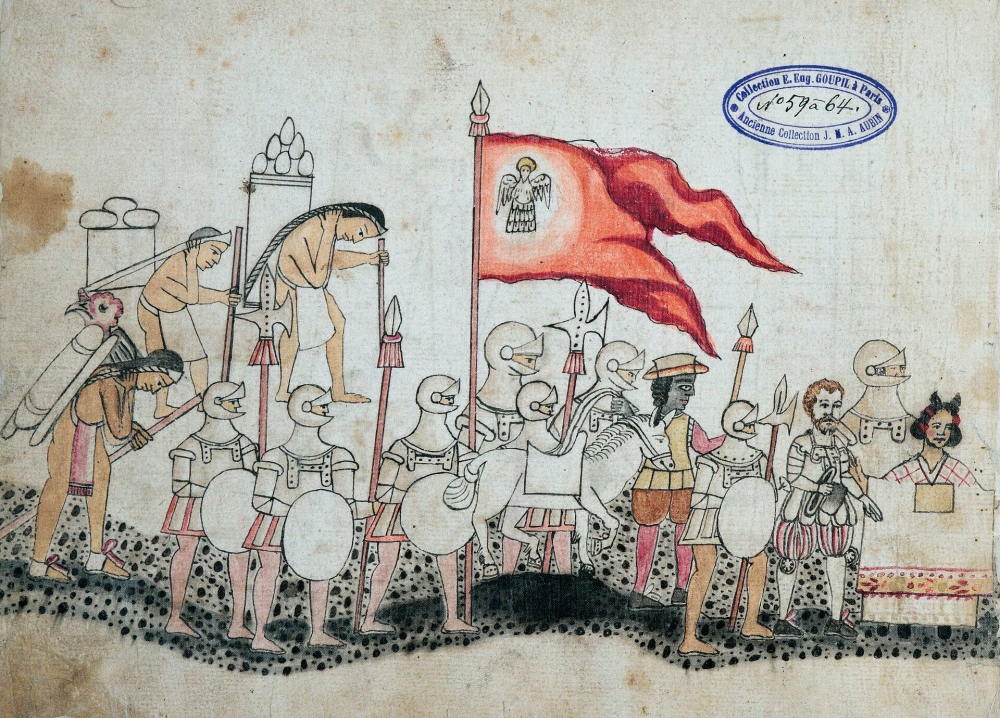

In a gesture of goodwill, France has agreed to loan the Codex Azcatitlán to Mexico for the first time in 186 years. The loan is part of a broader exchange that also includes the Codex Boturini, which narrates the migration of the Aztecs from their ancestral homeland to the shores of Lake Texcoco, where they built Tenochtitlán. The Boturini will be displayed in France, creating a symbolic bridge between the two nations’ shared heritage.
Mexico’s Ministry of Foreign Relations reported that last year more than 2,000 objects were successfully repatriated from overseas. By contrast, Mexico’s National Institute of Anthropology and History said that since 2018, over 16,200 items have been repatriated from various countries. The figures underscore a renewed commitment by successive left-wing Mexican governments to step up efforts to recover cultural objects held outside the country.
| Metric | Source | Figure |
|---|---|---|
| Objects repatriated last year | Mexico's Ministry of Foreign Relations | More than 2,000 |
| Objects repatriated since 2018 | National Institute of Anthropology and History | Over 16,200 |
Diego Prieto, former director of the Institute of Anthropology, explained at an event in July that the codex’s illustrations fuse pre-Hispanic drawing traditions with more realistic depictions of figures.
Prieto added that those figures clearly refer to the conquest and to subsequent cultural, urban, and architectural changes, underscoring the manuscript’s importance for understanding the Mexican colonial transition."It combines the pre-Hispanic drawing system, but already incorporates figures with a more realistic vision"
Diego Prieto, former director of the Institute of Anthropology, via Malaymail
Mexico’s push for repatriation has a more contentious history. In 1982, a Mexican lawyer named Jose Luis Castaneda stole another manuscript, the Codex Tonalamatl, from France’s National Library and brought it back to Mexico. France expressed anger over what it described as theft, but the codex remained in Mexican hands. The incident strained diplomatic relations, yet both the French National Assembly and the Bibliothèque Nationale maintain that their possession of other codices is legal, defending the principle of the inalienability of public collections in France.
In the lead-up to the codex’s loan, President Sheinbaum pressed President Macron to return the Azcatitlán and another precious manuscript, the Codex Borbonicus, during a visit by the Frenchman to Mexico City last year. The Codex Borbonicus, which illustrates the divinatory and solar calendars of the Mexica civilisation, is kept at the library of the French parliament’s lower house, the National Assembly, according to the French culture ministry.
The National Museum of Anthropology will host the Codex Azcatitlán from Thursday. Visitors will be able to view the 25 sheets of parchment, which were imported from Europe in the 16th century, alongside other indigenous artefacts that highlight the depth of Mexico’s pre-colonial heritage.
How significant is this development?
Contribute your assessment to the aggregated reader sentiment ledger.
Frequently Asked Questions
Key questions answered in this reportWhat is the key development in: Codex Azcatitlán returns to Mexico for display after 186 years abroad?
After nearly two centuries in France, the 16th-century Codex Azcatitlán has returned to Mexico for an exhibition at the National Museum of Anthropology.
Why is this World development significant for the UK?
This report covers critical events in our World beat. Independent reporting monitors related UK statements, regulatory shifts, and public responses as further verified details emerge.
How was this reporting corroborated and verified?
Newsarchy UK compiles and cross-references reporting from primary reporting from BBC and cross-checked wire reports. All coverage adheres to published editorial standards.
When was this report published?
This briefing was published on September 17, 2026 and is permanently cataloged in the Newsarchy UK World archives.