Colombia earthquake death toll tops 130 after 7.4 magnitude quake
A powerful 7.4 magnitude earthquake has left at least 132 people dead across Colombia, triggering a national emergency and widespread devastation.
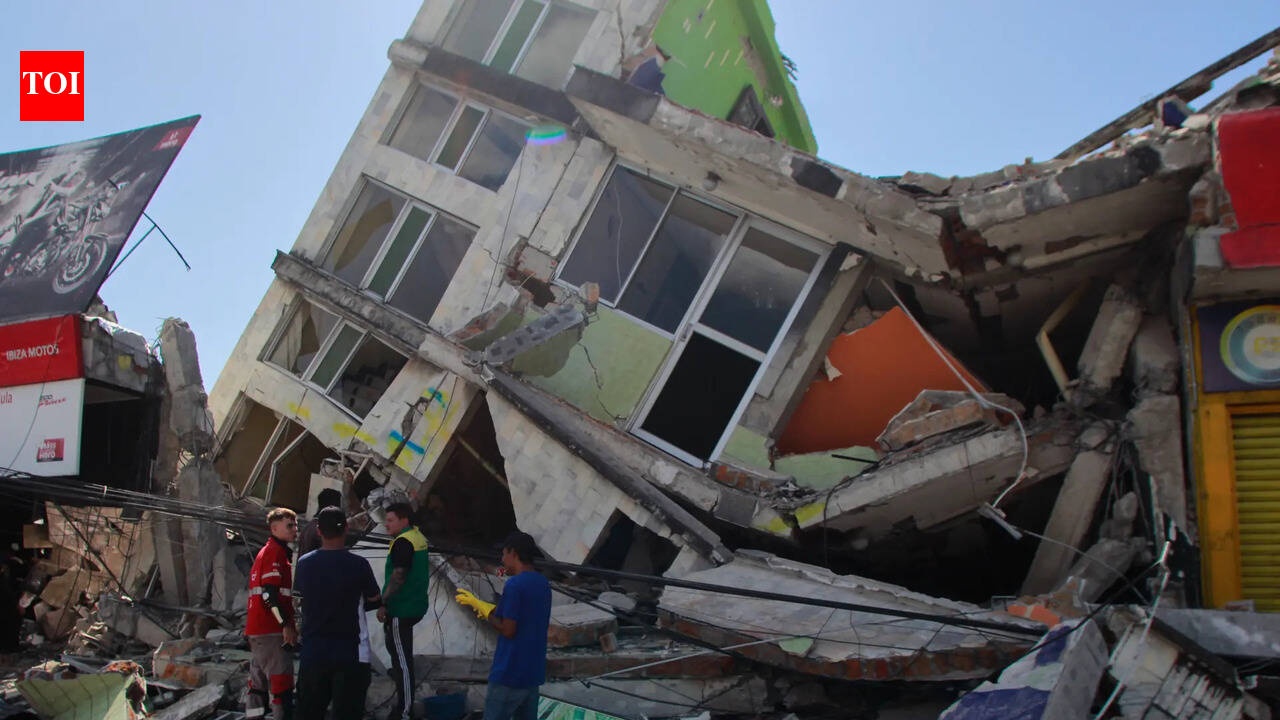
- Core Development: A powerful 7.4 magnitude earthquake has left at least 132 people dead across Colombia, triggering a national emergency and widespread devastation.
- Beat Context: Categorized under World with independent corroboration.
- Reporting Depth: 4 minute analytical read synthesized from verified newsroom sources.
A powerful magnitude 7.4 earthquake has left at least 132 people dead across Colombia, according to figures cited by The Times of India from the Colombian Association of Capital Cities. The disaster has triggered a national state of emergency and a national disaster declaration, testing the newly inaugurated administration as rescue workers race to pull survivors from the debris.
The tremor struck on Monday, 11 August 2026 at 07:34 local time. According to the Bbc, it hit at a depth of 103km, with the epicentre located near the village of San José del Palmar in Chocó province. The United States Geological Survey recorded the depth slightly differently at 107km. Despite the deep focus, which typically reduces surface destruction, the sheer scale of energy released caused widespread devastation across western Colombia and was felt as far away as Panama, Ecuador, and neighbouring Venezuela.
Media additions
President Abelardo de la Espriella, who was sworn into office only days before the catastrophe, rushed to Bogotá to coordinate relief efforts from the National Unit for Disaster Risk Management’s crisis centre. Speaking on the unfolding crisis, President de la Espriella confirmed that over 1,500 residential buildings had sustained damage, with dozens completely destroyed, alongside numerous health centres and schools.
The disaster strikes just months after deadly twin earthquakes struck northern Venezuela, leaving memories raw across the region.
Worst-Hit Regions and Urban Destruction
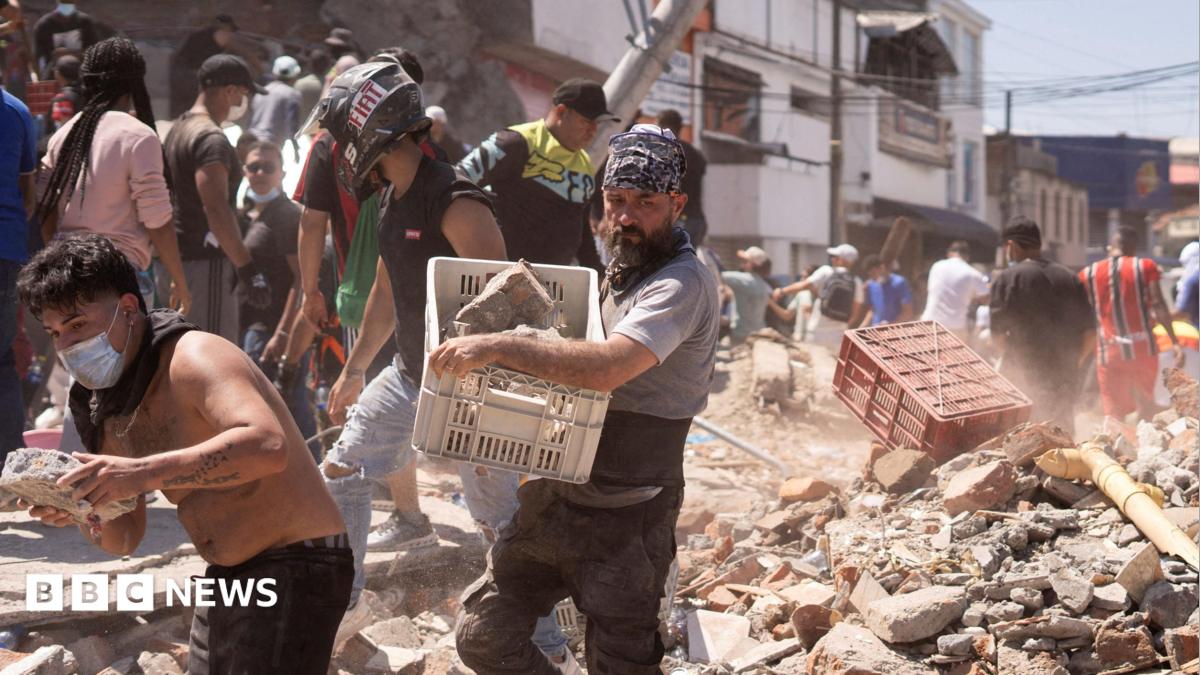
Damage has been heavily concentrated in the country's western and central coffee-growing zones. The western-central department of Risaralda emerged as one of the hardest-hit regions, with Pereira bearing the brunt of the casualties. Local authorities in Pereira reported dozens of deaths, including 40 dead in the metropolitan area alone, alongside 65 collapsed buildings where people remained trapped. A curfew was instituted in parts of the city.
In Cali, Colombia's third-largest city, 32 buildings collapsed. Mayor Alejandro Eder described the rescue operations as a needle in a haystack exercise
when speaking to the BBC, noting that crews had pulled dozens of survivors from the rubble. Among the affected structures in Cali were the pediatric and neonatal sections of a hospital, heightening concerns for vulnerable patients.
Tourist Dan Cutler, speaking to the BBC from Cali after being woken by the earthquake, described the terrifying experience, mentioning that he and his partner sprinted outside in their pyjamas and noting surface cracks in their hotel walls.
In Manizales, historic architecture suffered significant structural failures. Part of the landmark neo-Gothic Metropolitan Cathedral Basilica of Our Lady of the Rosary collapsed, sending debris crashing toward the nave. Hotel guests and residents reported bricks falling from walls and heavy dust filling the streets as aftershocks rattled the region.
Paradoxically, despite being located near the epicentre in Chocó province — noted as the country's poorest department, where more than two-thirds of the population live in poverty — local mayor León Fabio Marín Moncada reported no deaths or injuries in San José del Palmar itself, though local road access suffered severe damage.
International Response and Relief Operations
The emergency declaration allows the government to rapidly reallocate state funds and mobilise specialized forces. The Colombian Army deployed five platoons of rescue soldiers equipped with advanced search technology and trained dogs. Meanwhile, the civil aviation authority restricted operations at several regional airports, including Pereira, Manizales, Quibdó, Armenia, Cartago, and Buenaventura, limiting them strictly to medical and government flights.
Governments across the Americas and international bodies offered immediate assistance:
- Ecuador: Offered 47 rescuers, specialist search dogs, and independent equipment for up to seven days, according to President Daniel Noboa.
- El Salvador: Offered rescue teams, medical personnel, paramedics, and supplies, with President Nayib Bukele sending a message of solidarity.
- Mexico: President Claudia Sheinbaum stated her country would provide necessary support.
- United States: Secretary of State Marco Rubio stated the US was closely monitoring the situation and stood ready to assist.
- European Union: Deployed the Copernicus satellite system to aid search and rescue efforts, according to EU chief Ursula von der Leyen.
What to Watch Next
As search-and-rescue teams continue excavating collapsed structures in Pereira, Cali, and surrounding departments, authorities face mounting pressure to reach isolated communities in Chocó where damaged infrastructure impedes access. Key developments to monitor include:
- The official updating of casualty and injury numbers as rescue workers penetrate deeper into collapsed buildings.
- The normalisation of regional airport operations once engineering assessments declare infrastructure safe.
- The deployment and coordination of incoming international rescue personnel from Ecuador, El Salvador, and other regional allies.
- Potential aftershocks in the subduction zone, which geological services warn could pose ongoing risks to already compromised structures.
How significant is this development?
Contribute your assessment to the aggregated reader sentiment ledger.
Frequently Asked Questions
Key questions answered in this reportWhat is the key development in: Colombia earthquake death toll tops 130 after 7.4 magnitude quake?
A powerful 7.4 magnitude earthquake has left at least 132 people dead across Colombia, triggering a national emergency and widespread devastation.
Why is this World development significant for the UK?
This report covers critical events in our World beat. Independent reporting monitors related UK statements, regulatory shifts, and public responses as further verified details emerge.
How was this reporting corroborated and verified?
Newsarchy UK compiles and cross-references reporting from primary reporting from timesofindia.indiatimes.com and cross-checked wire reports. All coverage adheres to published editorial standards.
When was this report published?
This briefing was published on August 11, 2026 and is permanently cataloged in the Newsarchy UK World archives.