Magnitude 7.4 quake rocks western Colombia, killing at least 111 people
A powerful 7.4-magnitude earthquake struck western Colombia, causing widespread building collapses, dozens of deaths, and triggering a national emergency.
- Core Development: A powerful 7.4-magnitude earthquake struck western Colombia, causing widespread building collapses, dozens of deaths, and triggering a national emergency.
- Beat Context: Categorized under World with independent corroboration.
- Reporting Depth: 4 minute analytical read synthesized from verified newsroom sources.
At 8:34 a.m. ET on Monday 10 August 2026, a 7.4‑magnitude earthquake struck western Colombia. The U.S. Geological Survey located the epicentre in San José del Palmar, a community of about 4,800 residents in the Chocó province roughly 250 miles west of Bogotá. Within an hour a 5.0‑magnitude aftershock reverberated through the same region, adding to the chaos.
The tremor shattered buildings in more than 20 municipalities, most notably the coffee‑producing cities of Cali, Pereira, Manizales and the provincial capital of Quibdó. In Cali, Colombia’s third‑largest city, volunteers formed long lines to haul concrete slabs and twisted rebar to ad‑hoc triage zones.
The scene resembled the ongoing searches in neighbouring Venezuela, where two powerful quakes in late June left thousands dead."Our building has basically been left in ruins, and the building next to ours? Completely collapsed,"
Álvaro López, resident, via NPR Media additions
President Abelardo de la Espriella announced that at least 87 people were injured and roughly 1,600 buildings were damaged, including at least 61 that collapsed completely. He declared a national emergency to accelerate funding for recovery.
"We aren't going to leave people alone. They are in our hearts and we are going to tend to people with our full determination,"
Abelardo de la Espriella, President of Colombia, via NPR
Official death tallies broke down by province reveal the scale of loss. Local authorities confirmed at least 40 deaths in the Risaralda region, where Pereira lies, and 27 deaths in Valle del Cauca, home to Cali, including three children. The Chocó province reported 9 deaths, Caldas recorded 2, and Antioquia noted a single 73‑year‑old man. The remaining 32 deaths were not linked to a specific locality.
Mayor Alejandro Eder of Cali, posting on social media, said the city saw 30 collapsed structures and urged residents to report damage promptly. In Pereira, mayor Mauricio Salazar told a local radio station that at least 18 people had died and that many more were feared trapped beneath “a massive quantity of collapsed buildings.” The airport ceiling in Pereira likewise gave way, sending pieces of concrete onto travelers who had taken shelter.
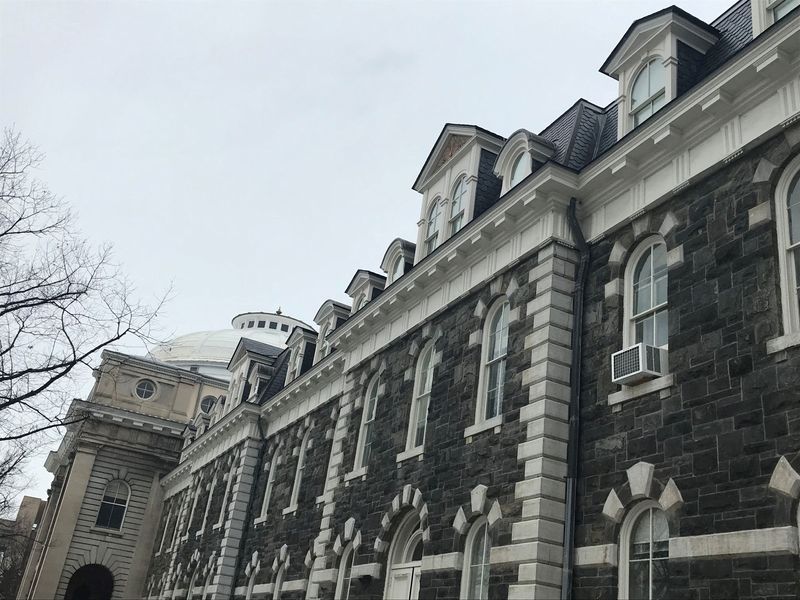
Manizales faced its own devastation. One of the towers of the neo‑Gothic cathedral collapsed onto the nave, prompting mayor Jorge Eduardo Rojas to order residents to stay outside until aftershocks subsided. He later reported 17 buildings fully collapsed and 19 partially collapsed across the city.
In the remote Chocó region, phone signals went down in large parts of the capital Quibdó, hampering assessment efforts. The province’s governor, Nubia Carolina Córdoba‑Curi, announced on social media that at least 12 people had died there, though exact figures remained uncertain because the epicentre’s nearest town, San José del Palmar, has no airport and is reachable only by boat or plane.
Search efforts stretched from the Andean peaks around Pereira to the jungle‑clad towns east of the epicentre. Digital missing‑person databases swelled to over 2,000 entries, most originating from Cali and Pereira, as families posted pleas for information.
International assistance materialised quickly. The U.S. State Department pledged $15.5 million for emergency shelter, food and other needs. Secretary of State Marco Rubio announced on social media that the administration was closely monitoring the quake and stood ready to support Colombia.
Across Latin America, leaders expressed readiness to help. El Salvador’s president, Nayib Bukele, said his country was in communication and prepared to provide rescue teams, medical personnel, paramedics and supplies. Mexico’s president, Claudia Sheinbaum, echoed a similar commitment, and Chilean president José Antonio Kast pledged assistance, citing Chile’s own experience with seismic disasters.
U.S.‑based humanitarian groups also mobilised. Fabio Andrade, a commissioner from Weston, Florida, told CBS Miami that his organization was awaiting information on needs, emphasizing that rescue and recovery were the priority.
Air travel was heavily disrupted. Colombia’s aviation agency suspended flights at airports in Pereira, Manizales, Armenia, Cartago, Buenaventura and Quibdó while engineers inspected runways and terminal structures. In Armenia, several residents were evacuated from homes over fears of further collapses.
Witnesses reported the quake’s reach far beyond the epicentre. Residents of Bogotá felt shaking strong enough to prompt evacuations, though mayor Carlos F. Galán later confirmed no structural damage in the capital. The tremor was felt as far south as Ecuador and as far north as Panama, and approximately 10.5 million people experienced strong to very strong shaking, according to USGS data.
Historical context underscores the rarity of an event of this magnitude. Small tremors, known locally as “temblores,” occur regularly in central and western Colombia, but those exceeding magnitude 6.0 are uncommon. The 1999 6.2‑magnitude quake near Armenia killed more than 1,100 people, while the recent 2026 event is the strongest recorded in the country in the 21st century and the most powerful since systematic records began in the early 1920s.
De la Espriella, sworn in as president over the weekend, faces his first major crisis. He said he had personally taken charge of the response, signalling a hands‑on approach amid a nation still reeling from the late‑June Venezuelan earthquakes that killed more than 5,000 people.
As rescue teams continue to comb through rubble, authorities are still compiling a definitive death toll. The pending identification of missing persons, the assessment of structural damage in remote Chocó, and the coordination of international aid are the next steps that will shape Colombia’s recovery in the weeks ahead.
How significant is this development?
Contribute your assessment to the aggregated reader sentiment ledger.
Frequently Asked Questions
Key questions answered in this reportWhat is the key development in: Magnitude 7.4 quake rocks western Colombia, killing at least 111 people?
A powerful 7.4-magnitude earthquake struck western Colombia, causing widespread building collapses, dozens of deaths, and triggering a national emergency.
Why is this World development significant for the UK?
This report covers critical events in our World beat. Independent reporting monitors related UK statements, regulatory shifts, and public responses as further verified details emerge.
How was this reporting corroborated and verified?
Newsarchy UK compiles and cross-references reporting from primary reporting from npr.org and cross-checked wire reports. All coverage adheres to published editorial standards.
When was this report published?
This briefing was published on August 11, 2026 and is permanently cataloged in the Newsarchy UK World archives.