Denmark pledges €643 million in military aid as Russia and Ukraine hold Abu Dhabi talks
Denmark has announced a military and energy aid package for Ukraine as delegations from Kyiv and Moscow open U.S.-mediated talks in Abu Dhabi.

As Ukrainian President Volodymyr Zelenskyy met with Nordic leaders in Copenhagen on Tuesday, delegations from Kyiv and Moscow opened high-stakes, U.S.-mediated negotiations in the United Arab Emirates to address the nearly five-year war.
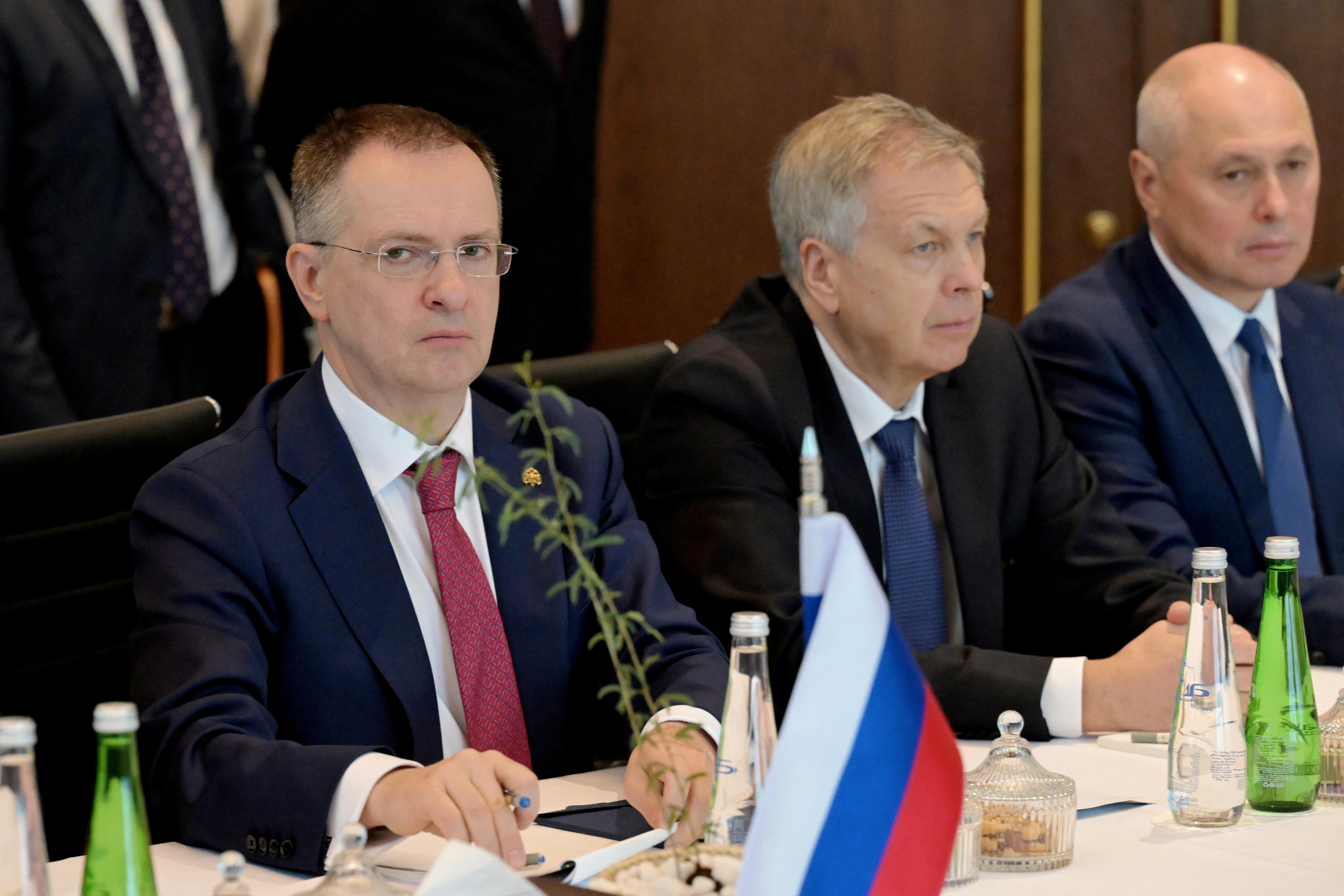
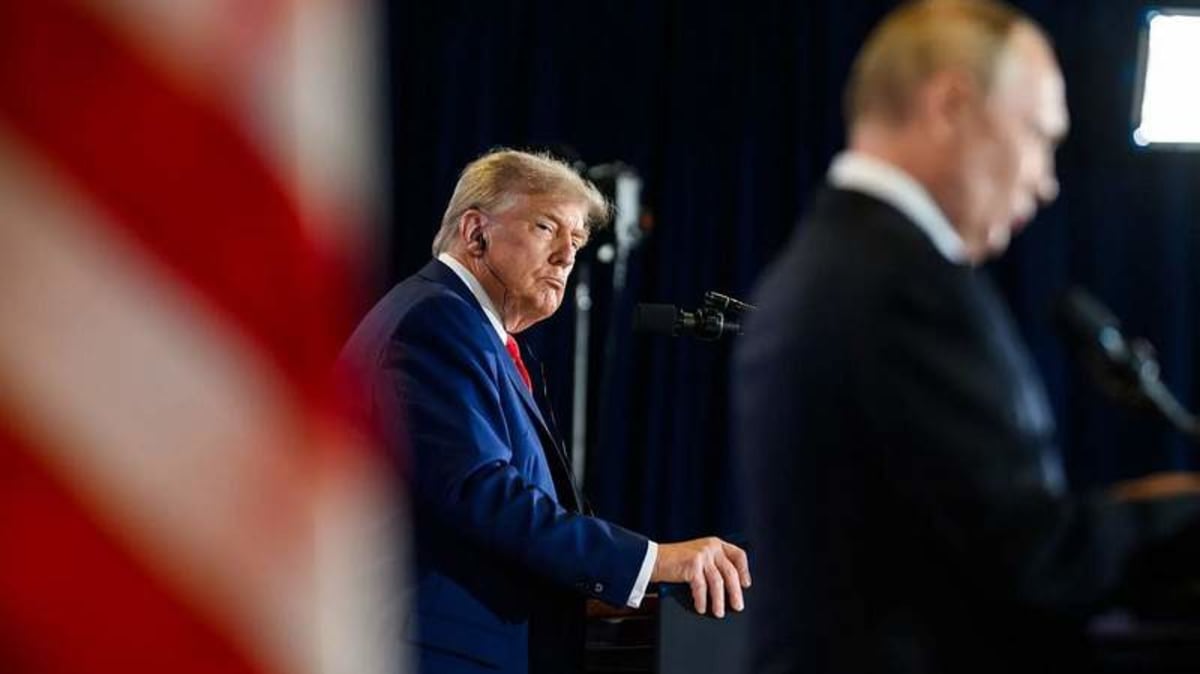
The diplomatic push in Abu Dhabi brought together officials from Russia, Ukraine, and the United States for nearly four hours of initial discussions on Tuesday. The trilateral format builds upon earlier diplomatic efforts held earlier in the year, though participants on all sides cautioned that monumental differences remain over territorial integrity, security architectures, and immediate ceasefires.
Media additions
Pledges of Support and Nordic Tensions
In the Danish capital, Prime Minister Mette Frederiksen announced a new military aid package for Ukraine, alongside dedicated funding to bolster the nation's battered energy infrastructure. Danish Foreign Minister Lars Løkke Rasmussen told reporters that Denmark would also give 150 million kroner (€20 million) to support Ukraine's energy sector. Television footage showed Zelenskyy's plane landing in the Danish capital.
"I am proud to welcome President Zelenskyy and the Nordic leaders to Denmark. The Ukrainians' fight for a free Ukraine and a free Europe continues,"
Mette Frederiksen, Prime Minister, via au.news.yahoo.com
The gathering included security talks with regional leaders, though Frederiksen publicly criticized a recent uncoordinated phone call placed by Norwegian and Finnish leadership to Russian President Vladimir Putin. Swedish Prime Minister Ulf Kristersson, Norway's Prime Minister Jonas Gahr Støre, and Finland's Prime Minister Petteri Orpo were expected in Copenhagen. After a meeting in Oslo with U.S. Envoys at the end of October, Støre and Finnish President Alexander Stubb had spoken to Putin by phone for 90 minutes. Copenhagen police said security would be tightened over the coming days and drones would be banned over the capital until 12 November.
Meanwhile, the ground war raged on without interruption. Ukrainian air forces tracked a massive barrage involving multiple drone types and ballistic missiles. Concurrently, Russia's Ministry of Defense claimed its air defense systems intercepted dozens of incoming drones across several border regions and the Crimean Peninsula.
Core Positions at the Negotiating Table
The diplomatic sessions in the United Arab Emirates featured intensive coordination involving American intermediaries, including President Donald Trump's son-in-law Jared Kushner and U.S. Special envoy Steve Witkoff. Representatives from major European nations and NATO also participated in preliminary coordination meetings, though Moscow voiced objections to direct European involvement in the primary trilateral talks.
| Delegation / Official | Stated Position on Ceasefire & Territory | Key Demands / Red Lines |
|---|---|---|
| Ukraine (Volodymyr Zelenskyy / Rustem Umerov) | Demands an immediate ceasefire as a prerequisite; rejects voluntary cessions of eastern territory. | Robust Western security guarantees; return of captive civilians, children, and prisoners of war. |
| Russia (Vladimir Medinsky / Sergey Lavrov) | Rejects an immediate general halt in hostilities, arguing it merely aids Ukrainian rearmament. | Ukrainian military withdrawal from four claimed regions; permanent abandonment of NATO aspirations; strict military caps. |
| United States (Jared Kushner / Marco Rubio) | Pursuing a comprehensive post-war security framework and bridging long-standing gaps. | Multilateral buy-in, ensuring European partners share financial and security burdens. |
U.S. Officials described themselves as cautiously optimistic, noting that both warring parties exhibited a degree of flexibility despite deep-seated mistrust. Zelenskyy characterized the nearly four-hour session as constructive, highlighting discussions centered on humanitarian priorities, prisoner exchanges, and the architecture of long-term security guarantees. Conversely, Russian Foreign Minister Sergey Lavrov pushed back against European demands for an immediate truce, accusing Brussels of attempting to buy time for Kyiv's forces.
Broader geopolitical pressures loom over the diplomatic track. Past diplomatic touchpoints underscore that localized de-escalation remains exceptionally rare against the broader backdrop of heavy attrition along the front line.
What to Watch Next
- Wednesday Sessions: Delegations are scheduled to resume talks in Abu Dhabi for a second consecutive day.
- Security Frameworks: Observers will monitor whether mediators can reconcile conflicting demands regarding NATO alignment and demilitarization limits.
- Humanitarian Deliverables: Potential announcements regarding further prisoner exchanges or the repatriation of displaced children remain primary benchmarks for progress.


