Ear ringing and conversational difficulty signal early hearing loss
Experts warn that persistent ear ringing and difficulty following conversations in noisy rooms are early red flags of auditory decline that require medical attention.

- Core Development: Experts warn that persistent ear ringing and difficulty following conversations in noisy rooms are early red flags of auditory decline that require medical attention.
- Beat Context: Categorized under World with independent corroboration.
- Reporting Depth: 4 minute analytical read synthesized from verified newsroom sources.
Difficulty following conversations in noisy environments and persistent ringing in the ears are increasingly recognised as primary red flags for auditory decline, according to recent expert warnings. While hearing loss is often dismissed as an inevitable consequence of aging, specialists emphasise that subtle warning signs frequently emerge long before individuals realise their hearing is failing.
According to World Health Organization guidance, over five percent of the world’s population requires rehabilitation to address disabling hearing loss. Specialists note that these early auditory shifts typically stem from cumulative noise exposure or natural aging, which damages the delicate sensory hair cells housed within the cochlea. When these microscopic structures fail to convert sound vibrations properly, the resulting miscommunication between the ears and brain can manifest as tinnitus — a phantom perception of sound described variously as ringing, buzzing, hissing, cicadas, or distant machinery.
Media additions
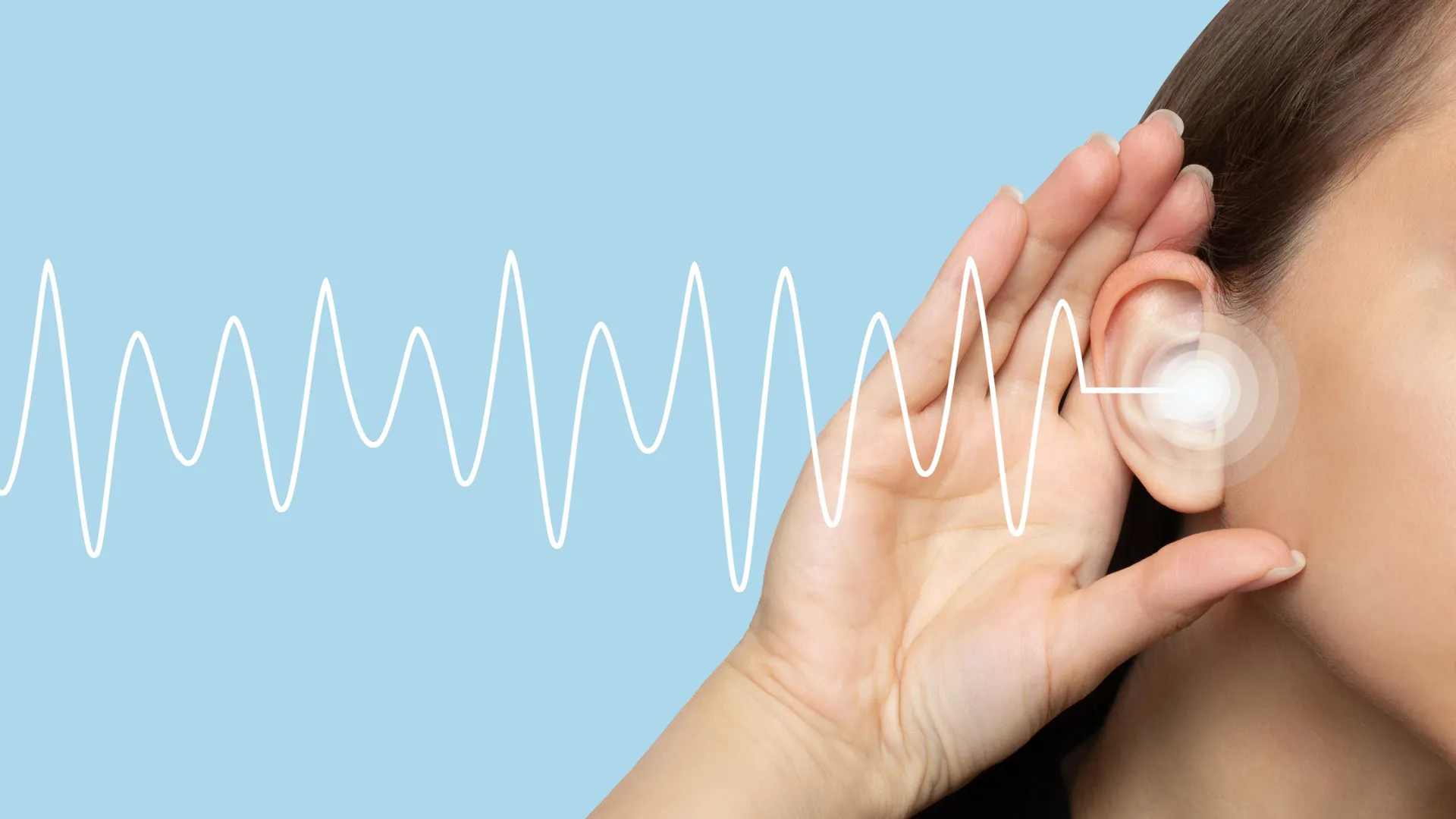


The implications of failing to catch these early symptoms extend far beyond the ears. Research highlights that untreated auditory deterioration correlates with sleep disruption, reduced concentration, and an elevated risk of falls. Furthermore, experts connect unaddressed hearing difficulties to accelerated cognitive decline and depression, making early detection a critical component of healthy aging.
Experts recommend proactive preventive measures, such as limiting exposure to sound levels exceeding 85 decibels — common at concerts, sporting events, and during the operation of power tools, and properly inserting foam earplugs with a sufficient noise reduction rating. For those already noticing symptoms, interventions range from hearing aids to specialised counselling approaches like Tinnitus Retraining Therapy, which incorporates soft background sound to help patients manage internal noise.
Anyone experiencing persistent ear ringing or conversational fatigue is advised to seek a comprehensive evaluation from an audiologist or appropriate medical specialist. Early intervention not only aids in preserving remaining hearing ability but also supports overall cognitive health and quality of life as individuals age.
Hearing loss in adults often begins slowly, making early symptoms easy to overlook. One of the most common early signs is frequently asking others to repeat themselves during everyday conversations, even in quiet settings. According to hearing experts, this may reflect a developing issue rather than simple distraction. Another early indicator involves increasing the volume on televisions or radios to levels that feel comfortable to one person but too loud to others nearby.
High-frequency hearing loss can affect clarity rather than volume, causing individuals to hear that someone is speaking but struggle to distinguish certain consonant sounds so that words blend together in conversation. This pattern is often mistaken for mumbling. mental fatigue after social interactions or phone conversations is another sign that may go unrecognized, as the brain works harder to process incomplete sound signals.
Personal experiences mirror these broader population trends. Susan Bianco, an 87-year-old resident of Lancaster, first noticed changes in her hearing when conversations became harder to follow, particularly in group settings. As she described, it is very hard to hear in a crowd and understand what one person is saying if other people are talking. She later developed a buzzing sound in her ears that became more noticeable when she was tired.
Her experience reflects wider data regarding auditory health. According to the US Centers for Disease Control and Prevention, around 13 percent of adults report hearing difficulties, rising to 27 percent among those aged 65 and older. Tinnitus affects roughly 10 percent of adults and is commonly associated with hearing loss. Audiologist Dr Jackie Price notes that aging and noise exposure are the primary risk factors, though prevention remains possible through careful management and hearing conservation strategies.
Preventive strategies also include avoiding dangerous habits such as wearing earbuds to listen to music in already noisy environments like lawn mowing, which creates a double exposure to excess noise. Proper use of hearing protection requires foam earplugs with a Noise Reduction Rating of at least 22 decibels to be rolled tightly, inserted into the ear canal by pulling on the ear lobe with the opposite hand, and allowed to expand fully.
While hearing loss and tinnitus have no cure, treatments such as hearing aids and Tinnitus Retraining Therapy can help manage symptoms and improve daily functioning.
Looking ahead, health organizations project that by 2050 over 700 million people will have disabling hearing loss. Experts emphasize that ongoing research into viral factors, metabolic conditions like diabetes, and early screening tools will continue to shape clinical interventions and public health strategies designed to preserve long-term auditory health and communication skills across all age groups.
How significant is this development?
Contribute your assessment to the aggregated reader sentiment ledger.
Frequently Asked Questions
Key questions answered in this reportWhat is the key development in: Ear ringing and conversational difficulty signal early hearing loss?
Experts warn that persistent ear ringing and difficulty following conversations in noisy rooms are early red flags of auditory decline that require medical attention.
Why is this World development significant for the UK?
This report covers critical events in our World beat. Independent reporting monitors related UK statements, regulatory shifts, and public responses as further verified details emerge.
How was this reporting corroborated and verified?
Newsarchy UK compiles and cross-references reporting from primary reporting from NBC News and cross-checked wire reports. All coverage adheres to published editorial standards.
When was this report published?
This briefing was published on September 20, 2026 and is permanently cataloged in the Newsarchy UK World archives.