Economists map four distinct thinker types from real-time thought study
A new experience-sampling study of 258 volunteers using smartphone pings has identified four distinct thinker clusters: worriers, domestic, bodily, and work-hard, play-hard.
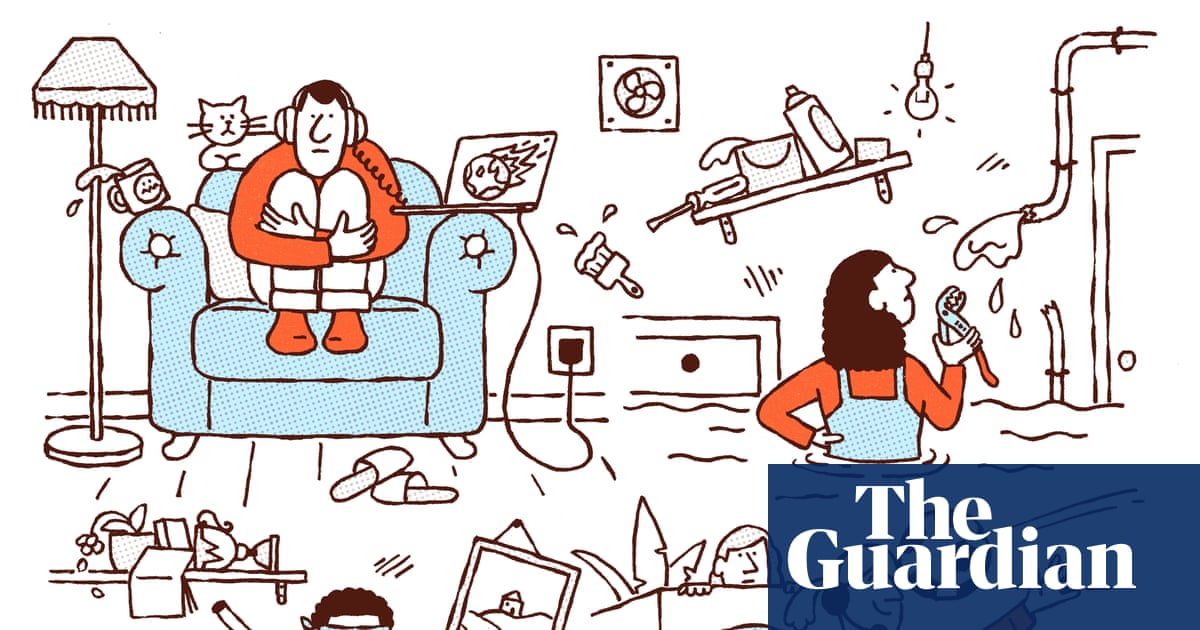
On 25 July 2026 economists from Claremont Graduate University in California and Wuhan University in Hubei, China released a pre‑print that maps four distinct “thinker” types from an experience‑sampling study of everyday thoughts. The research, reported by both Aol and The Guardian, used a smartphone app that pinged participants eight random times a day for two weeks. At each ping, volunteers wrote down the thought occupying their mind, the activity they were doing and a brief happiness rating.
“So much of what it means to be human is about what’s going on in our head,”
Dr Joshua Tasoff, senior author, via AOL
Tasoff, who led the analysis, highlighted that treating thoughts as an economic variable is “extraordinary” for the discipline. The study gathered more than 23 000 real‑time entries from 258 volunteers aged 19 to 71. Roughly half of the recorded thoughts were intentional, while the remainder were described by participants as intrusive or accidental – a mix of mind‑wandering, reminders and reflexive responses.
Methodology and overall thought patterns
- The app beeped at eight random moments each day, prompting a brief written note and a happiness score.
- Content analysis showed sensory information – feelings of tiredness, sleepiness and mental impressions – made up nearly a fifth of all thoughts.
- Work‑related thoughts followed at 17 % and food at 14 % of entries.
- Hobbies, games, play and art each accounted for about 10 % of thoughts, as did relationship‑focused entries.
- When participants wrote about what they wanted, almost half mentioned food or drink, especially coffee; 29 % of “need” thoughts sought relaxation, often in the form of naps or sleep.
The researchers also revisited an ancient claim by Marcus Aurelius that “the happiness of your life depends on the quality of your thoughts.” Their data showed that the content of a thought predicted the happiness rating more strongly than any other measured factor, prompting the authors to note “maybe Marcus Aurelius was on to something.”
Four emergent thinker clusters
Using clustering algorithms on the textual data, the team identified four tentative groups. The categories are meant to capture the “vibe” of each cluster rather than to label permanent personalities, and participants could move between groups over the two‑week period.
Worriers
- Thoughts centred on world events, politics and social issues about 60 % more than the sample average.
- Safety and health concerns appeared about 50 % more frequently.
- Common words included “Covid,” “awake,” “lonely,” “pain,” “hunger” and “fatigue.”
- Music surfaced nearly twice as often as in other groups, which the researchers speculated might serve as emotional ballast.
Domestic thinkers
- Focused on practical and household matters, with thoughts about chores, the home and finances about 50 % above average.
- Also frequently mentioned narratives from movies, books and TV.
- Typical lexical cues ranged from “solve” and “process” to “debate” and “document.”
Bodily thinkers
- Dominated by reflections on senses, feelings and mental impressions of the self and the world.
- Average age 32, and nearly two‑thirds of the cluster were women.
- They recorded the highest rate of unwanted, intrusive thoughts at 28 %.
- Frequent words included “therapist,” “ache” and “overwhelm,” suggesting attention to physical or mental health concerns.
- Researchers noted the gender skew might relate to menstrual cycles and to participants coping with health issues during the trial.
Work‑hard, play‑hard thinkers
- Their mental landscape was split between career and leisure, with work‑related thoughts about 50 % more than average and hobby‑related thoughts about 25 % more.
- This group reported the highest income and happiness scores among the four clusters.
- The gender balance tilted slightly toward men.
- Key lexical markers included “relaxation,” “presentation,” “flight,” “nail,” “project” and “gym.”
Across all groups, demographic differences were modest. Age, income, education and socioeconomic status varied only slightly between clusters, reinforcing the authors’ claim that thought patterns cut across traditional background markers.
Context, caveats and the road ahead
Both outlets stressed that the sample comprised individuals classified as western, educated, industrialised, rich and democratic – the so‑called “WEIRD” population. The authors warned against extrapolating the findings to the global population, noting that cultural and socioeconomic variations could produce different thought distributions.
The study remains a pre‑print and has not yet undergone peer review. Tasoff said a longer study with a larger, more diverse participant pool would be needed to confirm the four‑type model. He also acknowledged that the “labels were designed to capture the ‘vibe’ of each group” and that individuals are likely to shift between clusters as circumstances change.
In addition to the core findings, the research highlighted a curiosity gap in the economics literature: despite the centrality of human cognition to economic behaviour, systematic measurement of real‑time thoughts has been scarce.