Europe warming twice as fast as other continents amid deadly heatwaves
Europe is heating up at twice the rate of any other continent, driving a historic surge in temperatures that has left tens of thousands dead this summer. Scientists explain that Europe's vulnerability stems from four specific factors.
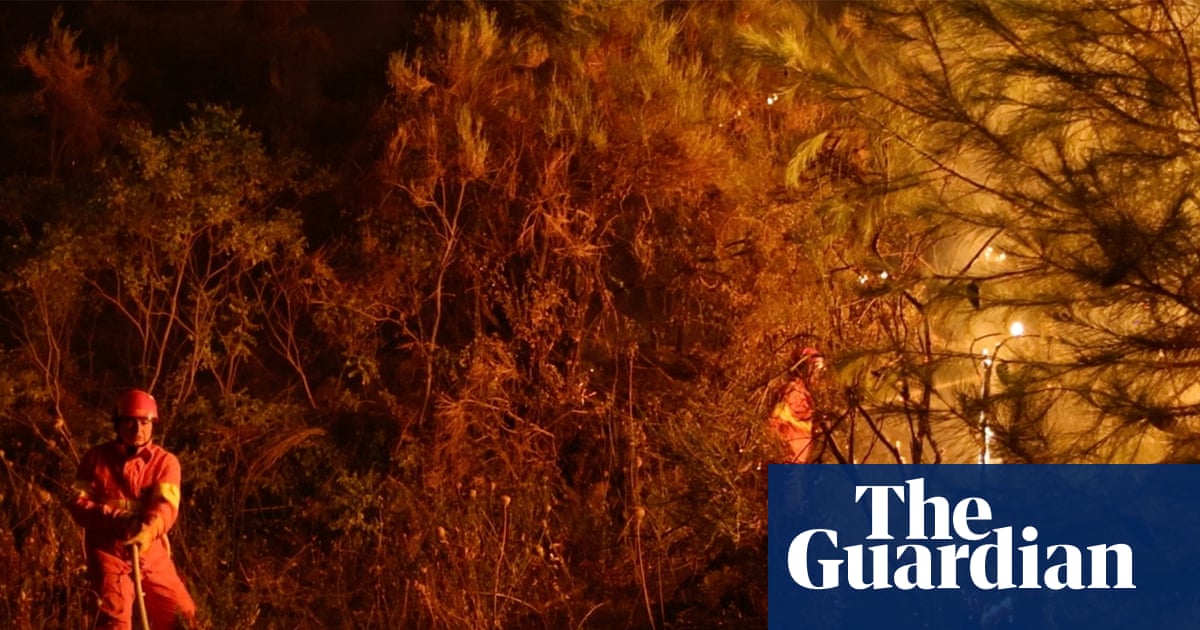
- Core Development: Europe is heating up at twice the rate of any other continent, driving a historic surge in temperatures that has left tens of thousands dead this summer. Scientists explain that Europe's vulnerability stems from four specific factors.
- Beat Context: Categorized under World with independent corroboration.
- Reporting Depth: 4 minute analytical read synthesized from verified newsroom sources.
Europe is heating up at twice the rate of any other continent, driving a historic surge in temperatures that has left tens of thousands dead this summer. According to The Guardian, the continent is now hotter than before the mass burning of fossil fuels began, vastly outpacing the global average rise. While land naturally warms faster than deep oceans, scientists explain that Europe's exceptional vulnerability stems from four specific factors: shifting weather patterns, its proximity to the rapidly melting Arctic, diminished snow cover, and cleaner air.
As the climate crisis tightens its grip, millions face immediate danger. In the latest extreme weather surge, areas of Europe home to at least 92 million people endured temperatures soaring past 35C on Wednesday, 12 August 2026. Western and Southern Europe bore the brunt of the intensity, with severe impacts reported across France, Italy, and Spain. Calculations crossing population density with German weather service forecasts indicate that more than half of Europe's population — around 300 million people, excluding Turkey — faced temperatures surpassing 30C on Wednesday, 12 August 2026. The worst of the heat concentrated heavily in France, Italy, and Spain, where tens of millions of residents sat squarely within the 35C threshold. Temperatures climbed above 35C in regions of France home to 30 million people, though mountainous areas and the northeast of the country were spared. Similar heat levels affected 29 million people in Italy and 21 million in Spain, while the heatwave also extended toward the Balkans, notably Greece and the Adriatic coast, including Albania and Croatia.
Media additions
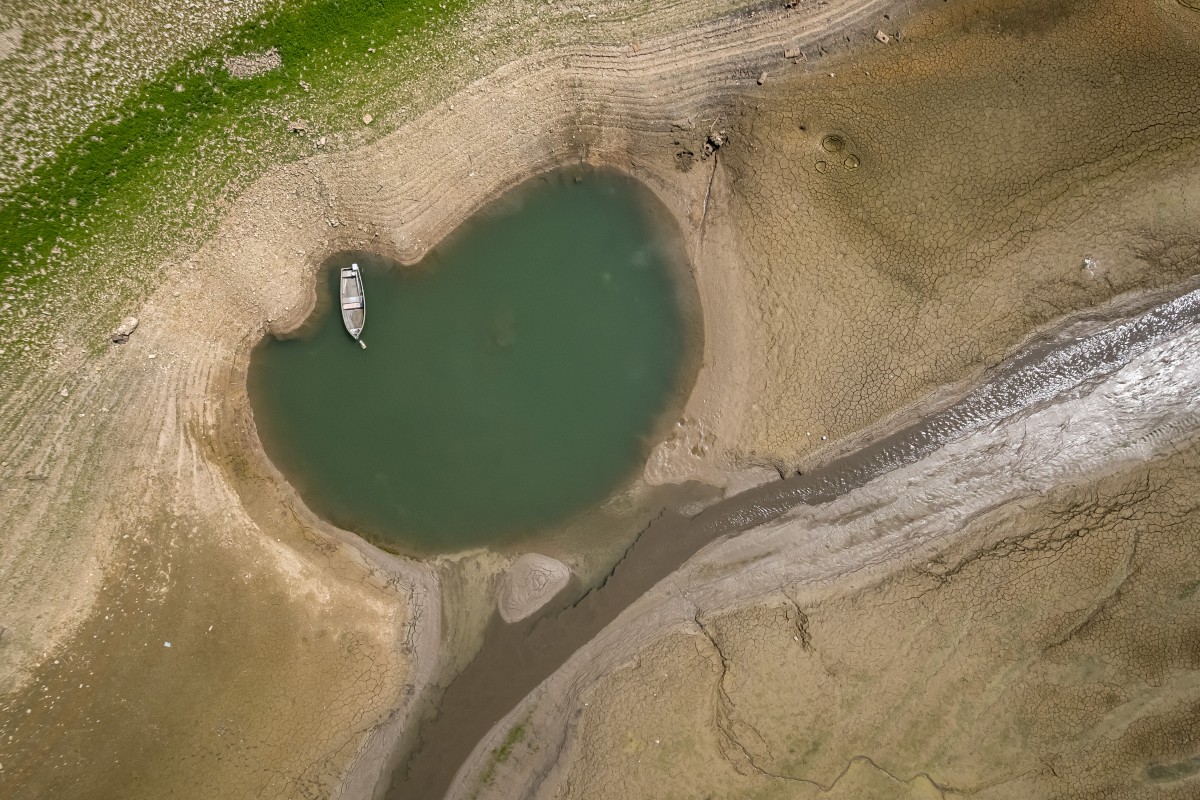

Further north, the United Kingdom anticipated temperatures climbing above 30C for 43 million people, putting the typically temperate nation on track to record its hottest summer ever according to its official Met Office agency on Tuesday, 11 August 2026. Calculations regarding population exposure were derived using a method similar to that of the Austrian NGO Klimadashboard, cross-referencing population density with the weather forecast model from the Deutscher Wetterdienst (DWD), Germany's national meteorological service, published at 0300 GMT. Residents were counted if the model forecast temperatures above 30C or 35C at their location at any point during the day.
Dr Samantha Burgess from the EU’s Copernicus Climate Change Service pointed to statistically significant changes in surface pressure and atmospheric circulation over the last four decades.
These shifts are increasingly linked to climate change rather than natural variability, potentially driven by a changing jet stream influenced by rising temperatures. The Arctic, meanwhile, acts as a powerful amplifier. As white polar ice caps melt away, darker ocean water absorbs significantly more heat, creating a feedback loop that accelerates warming across nearby European regions. Furthermore, Europe's winter snow cover has shrunk dramatically. Data shows that Europe's blanket of snow experienced a major drop in March 2025, falling below the 1991–2020 average and robbing the continent of reflective surfaces that once kept it cool. Ironically, successful efforts to reduce toxic air pollution have also played a role. Cleaner air means fewer atmospheric particles to reflect sunlight away from the earth, unmasking the full impact of rising carbon dioxide levels."We see statistically significant changes in surface pressure patterns and other measures of circulation when we look at trends over the last 40 or more years, and on this timescale they are more likely associated with climate change than natural variability"
Dr Samantha Burgess, EU’s Copernicus Climate Change Service, via The Guardian
The human and environmental toll of these compounding factors is visible across the continent, manifesting as intense droughts, destructive wildfires, and supercharged storms. David Jablonski of the Austrian NGO Klimadashboard noted that weather forecast models rely on a grid resolution of approximately 6.5km that fails to fully capture urban heat-island effects. Consequently, tracking analyses likely underestimate the true number of people sweltering in densely populated cities. UN climate chief Simon Stiell warned in late July 2026 that the human and economic costs have reached national emergency levels.
As communities battle relentless heat, scientists continue investigating the complex atmospheric mechanics behind the continent's rapid transformation. Researchers aim to have definitive estimates on circulation changes next year, while noting that the importance of each driving factor varies by season."The awful costs of this climate crisis – both human and economic – are now reaching national emergency levels. What needs to be done is clear: leave coal, oil and gas behind faster, scale up renewables, and protect people"
Simon Stiell, UN climate chief, via The Guardian
How significant is this development?
Contribute your assessment to the aggregated reader sentiment ledger.
Frequently Asked Questions
Key questions answered in this reportWhat is the key development in: Europe warming twice as fast as other continents amid deadly heatwaves?
Europe is heating up at twice the rate of any other continent, driving a historic surge in temperatures that has left tens of thousands dead this summer. Scientists explain that Europe's vulnerability stems from four specific factors.
Why is this World development significant for the UK?
This report covers critical events in our World beat. Independent reporting monitors related UK statements, regulatory shifts, and public responses as further verified details emerge.
How was this reporting corroborated and verified?
Newsarchy UK compiles and cross-references reporting from primary reporting from theguardian.com and cross-checked wire reports. All coverage adheres to published editorial standards.
When was this report published?
This briefing was published on August 13, 2026 and is permanently cataloged in the Newsarchy UK World archives.