European nations ramp up defense preparations amid growing Russian hybrid threats
European capitals are accelerating defense preparations and civic resilience as intelligence assessments warn of escalating Russian hybrid threats and potential provocations.
- Core Development: European capitals are accelerating defense preparations and civic resilience as intelligence assessments warn of escalating Russian hybrid threats and potential provocations.
- Beat Context: Categorized under World with independent corroboration.
- Reporting Depth: 3 minute analytical read synthesized from verified newsroom sources.
European nations are ramping up defense preparations and civic resilience as intelligence assessments warn of intensifying hybrid threats and potential direct provocations from Moscow, forcing capitals across the continent to confront the prospect of a wider security crisis beyond the battlefield in Ukraine.
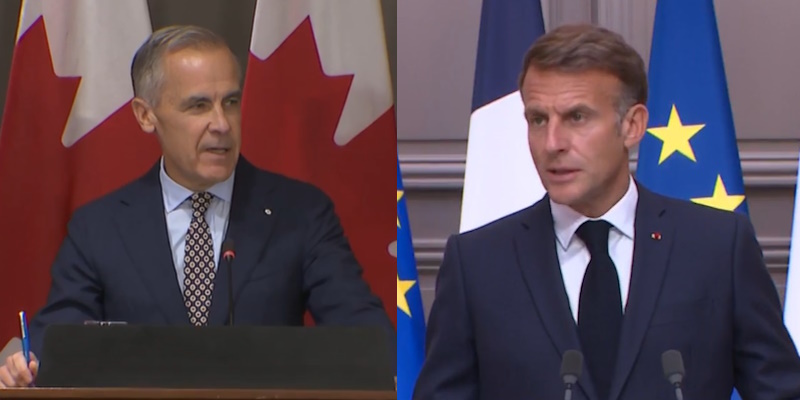
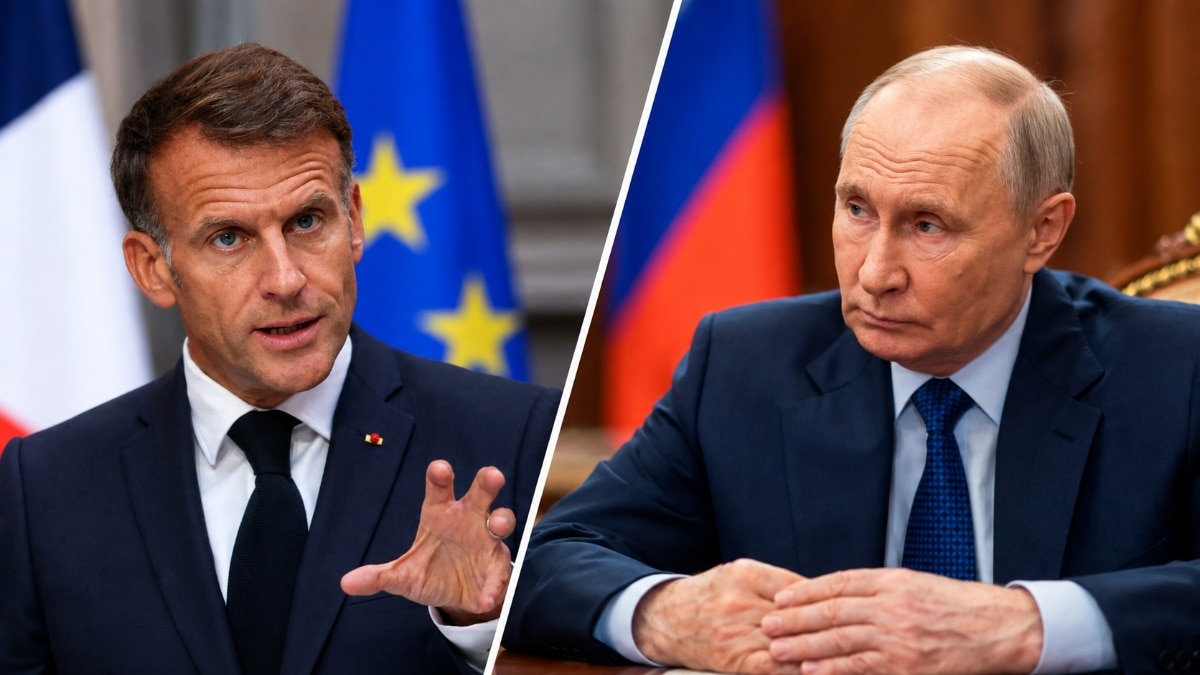
The urgency was underscored following warnings from French President Emmanuel Macron, who announced a new plan to protect critical infrastructure and sensitive defense-industry sites from drone and cyber threats. Macron's announcement followed an assessment delivered in parliament by Polish Prime Minister Donald Tusk, who cautioned that intelligence indicates Russia could launch limited drone or missile strikes against nations supporting Ukraine. According to Tusk's assessment reported by India Today, Moscow might intentionally present such incidents as accidental in order to test whether alliance members would invoke collective defense commitments.
Media additions

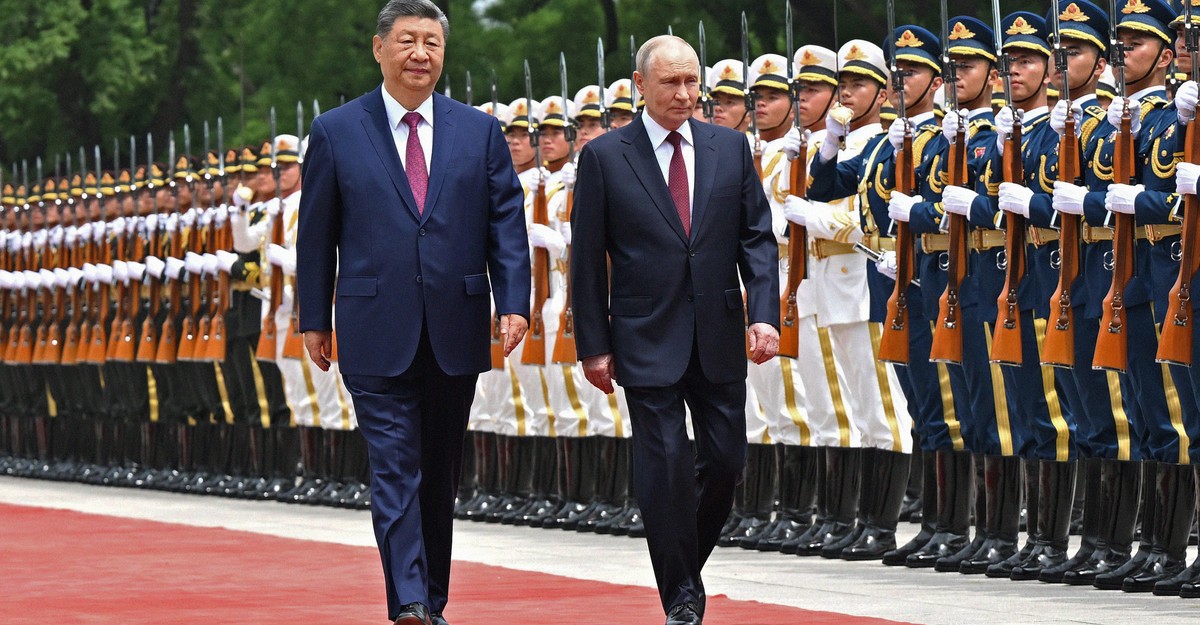

Russian President Vladimir Putin rejected the warnings, asserting that Moscow has no aggressive intentions toward Europe or European countries
and accusing European leaders of manufacturing a threat to justify military expansion. Nonetheless, European governments are altering their posture. In Germany, hospitals are preparing for potential conflict amidst reports that military planners anticipate heavy casualties, while civil-defence authorities in Lithuania, Poland, and Finland update national evacuation routes and emergency guidance. Simultaneously, the German Consulate General in Saint Petersburg ceased operations after more than five decades, marking another milestone in the deteriorating diplomatic climate.
This deteriorating environment intersects with profound anxieties over the future of transatlantic security. For generations, the United States has served as the ultimate guarantor of peace on the continent through its nuclear umbrella and forward-deployed military bases. Reports indicate the Pentagon is considering options to withdraw tens of thousands of US troops from European bases, forcing capitals to confront self-reliance.
Strategic analysts warn that Europe faces compounding pressures from simultaneous global crises. According to reporting from The Atlantic, Western military planners have conducted insufficient war-gaming for a two-front or multi-crisis contingency where Russia might strike Eastern Europe while China moves against Taiwan.
Societal readiness varies sharply across the continent. While Western European populations have grown accustomed to decades of post-Cold War peace and low psychological preparedness — a dynamic described by strategic studies professor Andrew Michta as a crisis of disbelief
— frontline states maintain deeply embedded civic defense models.
| Country / Region | Defense Spending Level (% of GDP) | Conscription / Reserve Model | Key Preparedness Measures |
|---|---|---|---|
| Finland | 2.5% (2025) | Universal male conscription with large trained reserve | Massive civil defense integration, mandatory crisis training for societal leaders, extensive bunker networks. |
| Sweden | High integration following 2022 policy shift | Selective conscription and citizen engagement pools | Comprehensive civic registers for civil engineers, critical infrastructure coordination, heightened vigilance in Baltic approaches. |
| Poland & Baltic States | Exceeding 4% of GDP | Active border security operations and expanded territorial forces | Updated national evacuation routes, rapid counter-drone deployment, hardened eastern frontiers. |
| United Kingdom | 2.3% (2025) | Professional armed force numbering approximately 70,000 | Revival of historical "war books," civilian stockpiling guidance, and projected investments in missile capabilities. |
As the BBC reports, thinkers like historian Margaret MacMillan emphasize that future conflict may not resemble historical invasions with traditional tank columns, but rather asymmetric disruptions targeting subsea communication cables and critical digital networks. Analysts argue that closing the gap between professional militaries and civilian populations requires honest communication from political leaders regarding the true price of deterrence.
What happens next depends on political decisions and industrial mobilization schedules across European capitals. NATO leaders will continue implementing defense spending pledges toward established alliance targets over the coming decade, while joint initiatives, such as multi-billion-pound missile capability projects and next-generation fighter jet developments, gradually take shape. Whether these measures can outpace Moscow's reconstitution of its industrial war base remains the defining security question for the continent.
How significant is this development?
Contribute your assessment to the aggregated reader sentiment ledger.
Frequently Asked Questions
Key questions answered in this reportWhat is the key development in: European nations ramp up defense preparations amid growing Russian hybrid threats?
European capitals are accelerating defense preparations and civic resilience as intelligence assessments warn of escalating Russian hybrid threats and potential provocations.
Why is this World development significant for the UK?
This report covers critical events in our World beat. Independent reporting monitors related UK statements, regulatory shifts, and public responses as further verified details emerge.
How was this reporting corroborated and verified?
Newsarchy UK compiles and cross-references reporting from primary reporting from BBC and cross-checked wire reports. All coverage adheres to published editorial standards.
When was this report published?
This briefing was published on September 20, 2026 and is permanently cataloged in the Newsarchy UK World archives.