Bomb threats disrupt more than a dozen flights across Europe
A fresh wave of bomb threats disrupted more than a dozen flights across Europe, prompting military jet escorts in France, Italy, and Bulgaria.
- Core Development: A fresh wave of bomb threats disrupted more than a dozen flights across Europe, prompting military jet escorts in France, Italy, and Bulgaria.
- Beat Context: Categorized under World with independent corroboration.
- Reporting Depth: 4 minute analytical read synthesized from verified newsroom sources.
On Thursday 5 November 2026 a fresh wave of bomb threats forced more than a dozen passenger flights to divert, land under military escort or undergo intensive checks across Europe, unsettling travellers and prompting coordinated security responses at dozens of airports.
Scope of the disruption
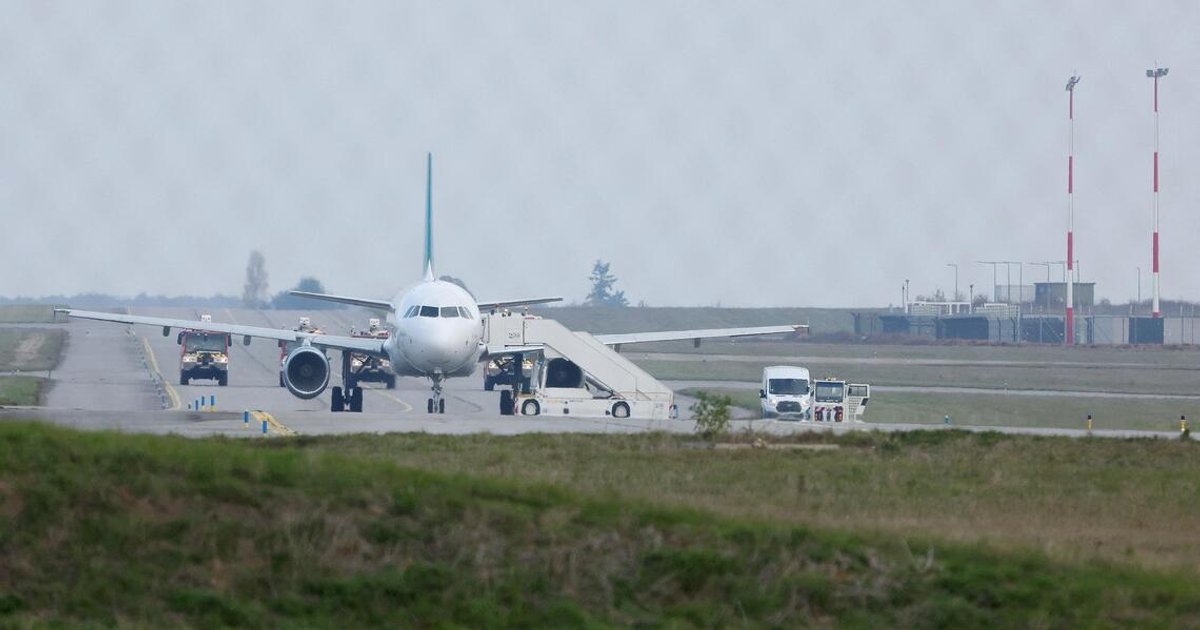
The most high‑profile incident involved an Aer Lingus Airbus A320 en route from Dublin to Rome. After a bomb alert was received, the crew declared an emergency and the aircraft was diverted to the French military airbase at Évreux, some 100 km west of Paris. All 151 passengers and six crew members were moved to a safe area while French bomb‑disposal units inspected the plane. The flight landed safely and the airline later confirmed that it would re‑accommodate customers to their final destination.
Media additions


Similar threats hit a Finnair service from Helsinki to Rome, which was escorted by Italian Air Force jets to Rome’s Fiumicino Airport, and another Finnair flight to Vienna that landed without incident after a warning. In Bulgaria, three Ryanair flights bound for Sofia – originating in Copenhagen, Madrid and London Stansted – were forced to land, two in Sofia and one in Plovdiv, under the escort of MiG‑29 fighters.
Polish carrier LOT experienced two separate alerts: a Warsaw‑to‑Brussels flight landed safely after a security warning, and a Warsaw‑to‑Paris flight was halted while taxiing, with passengers transferred to another aircraft as a precaution.
Wizz Air also faced multiple disruptions. A Milan‑to‑Warsaw service was rerouted to Vienna, while a Milan‑to‑Bucharest flight landed at Henri Coandă International Airport in Bucharest, where Romanian intelligence officials oversaw the inspection of the aircraft.
Official responses and expert context
National defence ministries in France, Italy and Bulgaria dispatched fighter jets to escort the threatened aircraft, describing the missions as “detect, identify and escort”. Bulgarian officials stressed that all three planes were inspected and no dangerous objects were found.
European Union Aviation Safety Agency (EASA) issued an email stating it would “continue to monitor developments to identify and assess any potential aviation safety implications arising from such security threats.” Europol’s deputy spokesperson confirmed the agency stood ready to support national authorities if links to organised crime or terrorism emerged.
Cyviation chief executive Eliran Almog warned that the pattern of hoax threats could be part of a broader strategy to undermine confidence in essential services.
"Different essential services are experiencing disruption that carries economic costs and can undermine public confidence."
Eliran Almog, CEO, Cyviation, via The Senior
Air France‑KLM CEO Ben Smith described the coordination of the threats as “unprecedented” and expressed hope that consumer travel would not be deterred.
Comparative data from ten outlets
| Outlet | Flights reported | Key details |
|---|---|---|
| Knews | more than a dozen | Aegean flight Thessaloniki‑Milan, Aer Lingus diversion, no explosives |
| Straitstimes | second wave this week | Hybrid‑warfare context, multiple low‑cost carriers, fighter escorts |
| The Senior | second time in days | Finnair, Ryanair, LOT, expert commentary |
| NovaNews | at least 14 | third consecutive day, Ryanair targeted seven times |
| Morung Express | more than a dozen | Ryanair three flights, LOT two flights, Wizz Air diversions |
| Daily News Hungary | at least 10 | Aer Lingus diversion, Finnair escorted, Czech threats low credibility |
| Al Jazeera | around a dozen | French air force response, four Prague‑bound flights, no devices |
| Insurance Journal | second wave | focus on low‑cost carriers, EU monitoring, historical context |
Timeline of the week’s alerts
- Monday 5 Nov. A Wizz Air flight from London Luton to Sofia was diverted to Budapest after an email threat.
- Thursday 5 Nov. The wave peaks: Aer Lingus diverted to Évreux, multiple Ryanair, Finnair, LOT, Wizz Air and other carriers face threats; fighter jets scramble in France, Italy and Bulgaria.
Geopolitical backdrop
While no state has claimed responsibility, officials across Denmark, Poland and Romania have publicly suggested possible Russian involvement in “hybrid attacks”, a theme echoed by analysts such as Eric Schouten, head of aviation security group Dyami. He noted in an interview with Straitstimes that “from a geopolitical view… Russia is attacking us on multiple fronts”. Both Russia and Iran have denied any role.
The bomb threats arrived alongside a series of unrelated disruptions: cyber‑attacks on supermarket refrigeration systems, drone incursions and a recent failure at Leipzig airport attributed to a suspected Russian drone strike.
Impact on passengers and airlines
Passengers on the Aer Lingus flight reported panic after the aircraft declared an emergency and circled over the Evreux area before landing. The airline’s statement emphasised that the crew conducted an onboard inspection and that the threat was deemed non‑credible.
How significant is this development?
Contribute your assessment to the aggregated reader sentiment ledger.
Frequently Asked Questions
Key questions answered in this reportWhat is the key development in: Bomb threats disrupt more than a dozen flights across Europe?
A fresh wave of bomb threats disrupted more than a dozen flights across Europe, prompting military jet escorts in France, Italy, and Bulgaria.
Why is this World development significant for the UK?
This report covers critical events in our World beat. Independent reporting monitors related UK statements, regulatory shifts, and public responses as further verified details emerge.
How was this reporting corroborated and verified?
Newsarchy UK compiles and cross-references reporting from primary reporting from ABC News & Headlines – Australian Broadcasting Corporation and cross-checked wire reports. All coverage adheres to published editorial standards.
When was this report published?
This briefing was published on November 5, 2026 and is permanently cataloged in the Newsarchy UK World archives.