France top court strikes down under-15 social media ban
France's highest legal authority has blocked a sweeping law designed to ban children under 15 from accessing social media platforms, citing infringements on fundamental freedoms.
- Core Development: France's highest legal authority has blocked a sweeping law designed to ban children under 15 from accessing social media platforms, citing infringements on fundamental freedoms.
- Beat Context: Categorized under World with independent corroboration.
- Reporting Depth: 3 minute analytical read synthesized from verified newsroom sources.
France's highest legal authority has struck down a sweeping legislative attempt to restrict digital platforms, halting a measure that would have prevented children under 15 from accessing social media. According to India Today, the Constitutional Council ruled on Friday, 14 August 2026, that parts of the law went against fundamental freedoms. The court specifically cited that the legislation disproportionately infringed upon freedom of expression and communication. The Guardian reported that the tribunal also found the text failed to provide the necessary legal safeguards to ensure the right to respect for private life. While the law required users to provide proof of age, the court noted that it failed to specify the conditions and limits under which age-verification procedures should happen.
The legislative measure had been approved by both chambers of the French Parliament last month. It would have barred children under 15 from opening social media accounts starting from the beginning of September. Furthermore, tech platforms would have been required to close existing accounts within four months and employ age-verification tools approved by France's privacy regulator. The wider law also included prohibitions against the use of mobile phones in high schools. The initiative marked France as the first country in the European Union to approve a blanket social media ban for minors under that age threshold.
Media additions
The court's decision deals a significant blow to outgoing President Emmanuel Macron. The social media ban was among the final major measures adopted during his presidency, and he had wanted the framework to come into force at the start of the new school year in September. Macron is set to leave office next year, as France's upcoming presidential election is scheduled for spring 2027, and he is ineligible to seek a third term. Earlier in the year, in April, Macron urged teenagers to turn off their devices and read in order to become better citizens.
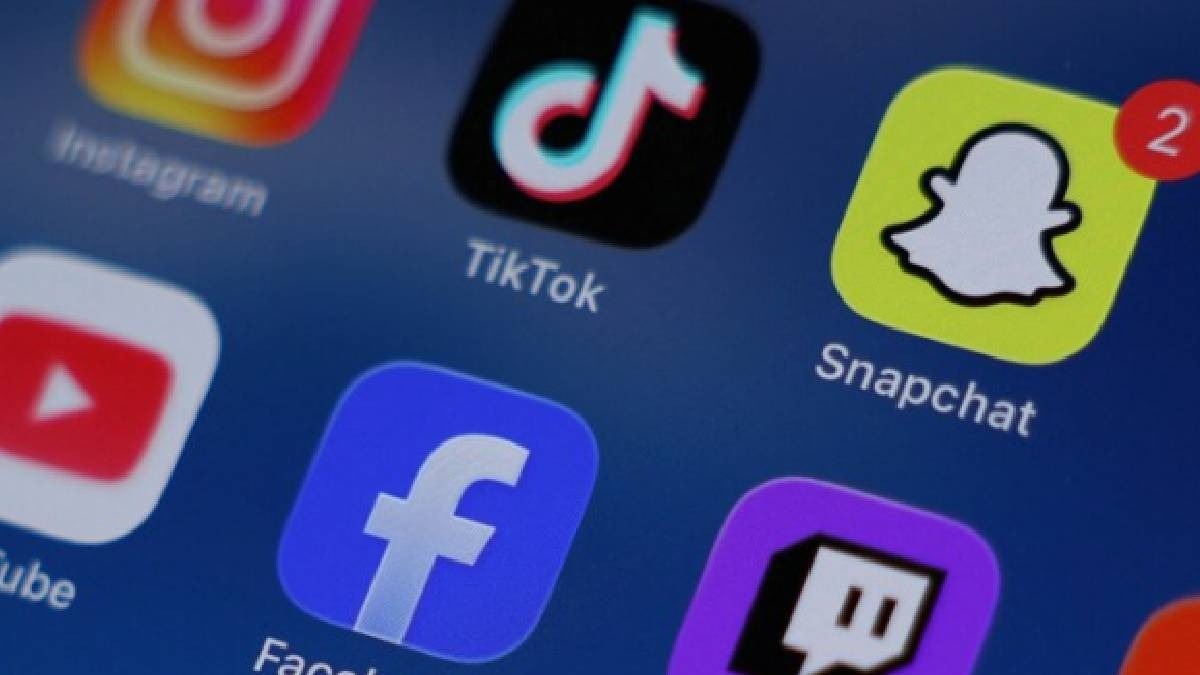
Global momentum has been building for such restrictions, driven by widespread anxiety over the harmful effects of digital content on children. Australia implemented a ban for under-16s on leading social media platforms in December last year, covering sites such as Facebook, Instagram, Kick, Reddit, Snapchat, Threads, TikTok, Twitch, X and YouTube. Indonesia and Malaysia have likewise introduced restrictions for under-16s on certain platforms, while the United Kingdom is preparing to block leading apps for the same age group next year. At the European Union level, European Commission President Ursula von der Leyen expressed support for stricter protections last month, stating that it is clear age-appropriate restrictions to platforms are needed. Rather than endorsing a specific age limit, von der Leyen raised the prospect of phased and gradual access for different age ranges while building on the existing Digital Services Act.
Tech companies generally oppose blanket prohibitions, arguing they already maintain measures to protect younger users, including a minimum user age of 13. At the same time, industry representatives have stated they would comply with governmental restrictions. Because of the ruling by the Constitutional Council, the original French framework cannot take effect in its current form.
Government Response and Next Steps
Despite the legal rebuff, the French executive branch intends to salvage the policy. According to statements released by the Élysée, Macron remains fully determined to see protections implemented. He has instructed Prime Minister Sébastien Lecornu to work as quickly as possible on a legally robust proposal that takes into account both the Constitutional Council's decision and the European legal framework.
According to the Élysée, it will be up to the President of the Republic, the government, and Parliament to determine the means and mechanisms needed to protect children from social media by the end of the current term of office, targeting the period before the spring 2027 presidential election.
How significant is this development?
Contribute your assessment to the aggregated reader sentiment ledger.
Frequently Asked Questions
Key questions answered in this reportWhat is the key development in: France top court strikes down under-15 social media ban?
France's highest legal authority has blocked a sweeping law designed to ban children under 15 from accessing social media platforms, citing infringements on fundamental freedoms.
Why is this World development significant for the UK?
This report covers critical events in our World beat. Independent reporting monitors related UK statements, regulatory shifts, and public responses as further verified details emerge.
How was this reporting corroborated and verified?
Newsarchy UK compiles and cross-references reporting from primary reporting from indiatoday.in and cross-checked wire reports. All coverage adheres to published editorial standards.
When was this report published?
This briefing was published on August 14, 2026 and is permanently cataloged in the Newsarchy UK World archives.