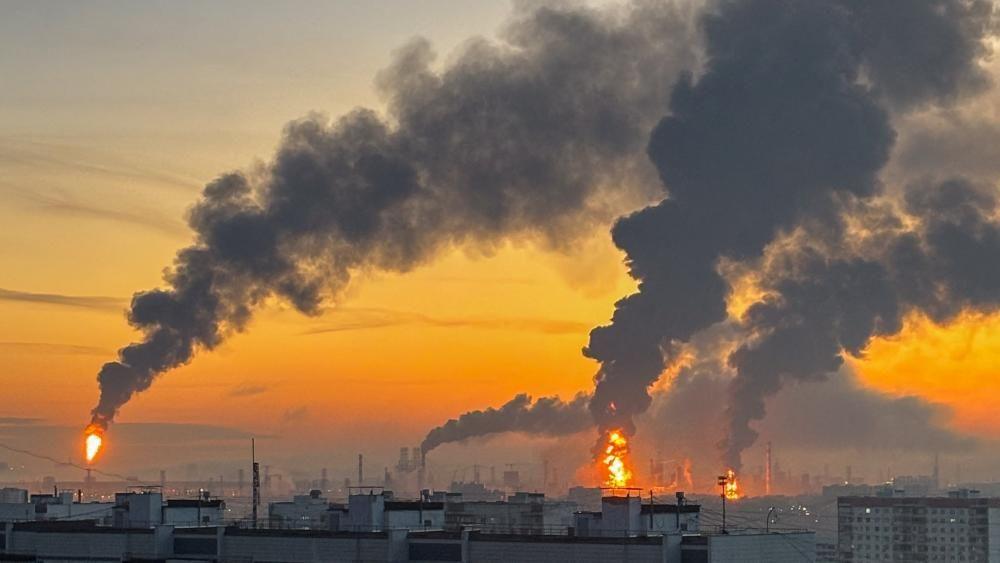
France evacuates over 20,000 as fast‑moving wildfire nears Bordeaux
A large forest fire near Bordeaux forced over 20,000 people to evacuate as firefighters worked to contain the blaze amid strong winds and high temperatures. No casualties have been reported following the fire, which officials believe may have been started by a machine.
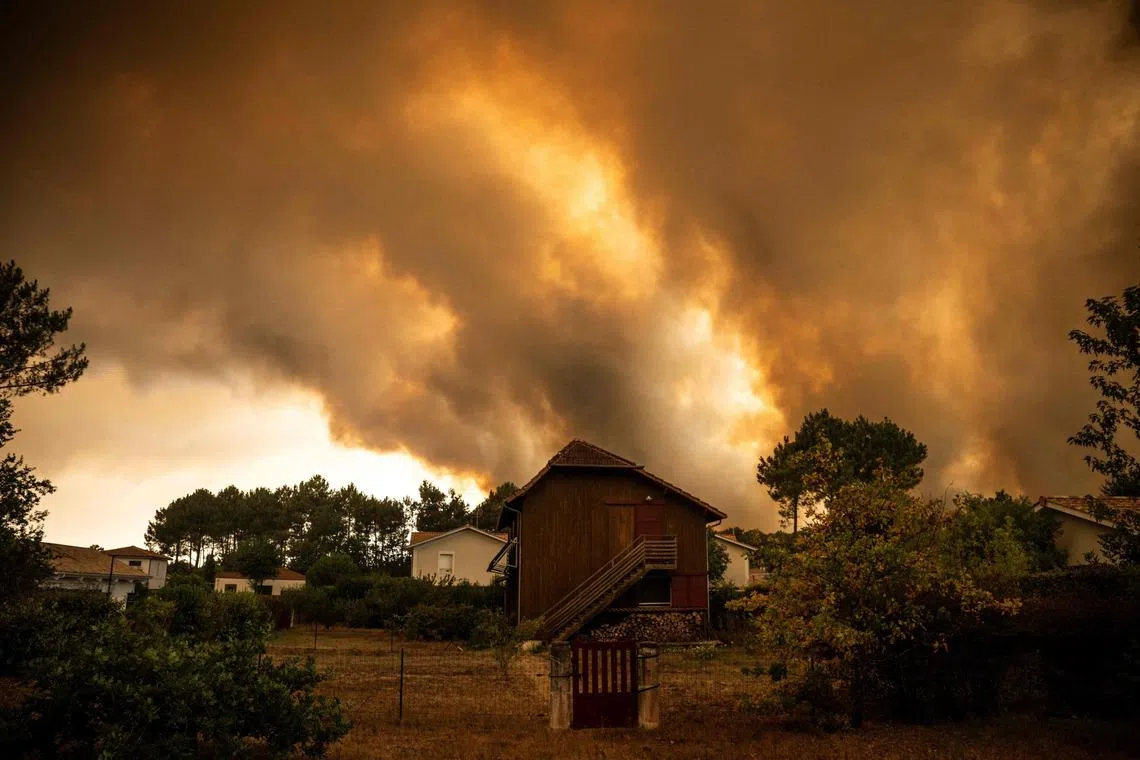
- Core Development: A large forest fire near Bordeaux forced over 20,000 people to evacuate as firefighters worked to contain the blaze amid strong winds and high temperatures. No casualties have been reported following the fire, which officials believe may have been started by a machine.
- Beat Context: Categorized under World with independent corroboration.
- Reporting Depth: 3 minute analytical read synthesized from verified newsroom sources.
At dawn on July 23, a wall of flame leapt 10 metres above the pine canopy of the forest west of Bordeaux, forcing more than 20 000 residents and holiday‑makers to flee. The scale of the evacuation has turned the coastal peninsular towns into what one renter described as “a war zone”.
The blaze began on the evening of July 22 in the village of Saumos. Within hours it ripped through dense pine forest, skirting the sand‑dunes and oyster shacks of Le Porge before bearing down on the tourist‑packed Lège‑Cap Ferret peninsula. Officials say the fire appeared to have been started by a brush‑clearing machine.
By the time the conflagration covered roughly 3 400 ha – an area about five times the size of Gibraltar – 800 firefighters, supported by hundreds of gendarmes, soldiers and a fleet of water‑bombing aircraft from other countries, were battling to keep the fire north of Lège. The prefecture confirmed that 15 emergency reception centres had opened, while the mayor of Lège‑Cap Ferret, Philippe de Gonneville, warned that “the weather is not on our side”, noting temperatures above 30 °C and easterly winds that were “fairly strong”.
Local residents confronted the inferno with a mix of disbelief and resolve. It feels like being in a war zone
said John Wilmes, a renter in Lège‑Cap Ferret, while Patrick Martineau, 69, recalled police battering on doors as smoke thickened. “It’s a bit scary,” he added, “When we bought a home here, we never thought there would be a fire risk.” The human cost remains limited for now – three houses and a caravan were scorched, but no casualties have been reported so far.
Timeline of the fire
- July 22, evening – Fire ignites near Saumos, possibly from a brush‑clearing machine.
- July 23, early morning – Flames surge toward Lège‑Cap Ferret; 12 000 people evacuated from villages and campsites.
- July 23, midday – Additional 8 800 people evacuated; firefighting planes and helicopters commence water‑bombing.
- July 23, afternoon – Fire contained north of Lège; total area burned reaches 3 400 ha.
The two outlets reporting the incident differ on the exact scale of displacement. Aol cited “more than 10 000 people” evacuated overnight, while the Strait Times put the figure at “more than 20 000”. Both agree on the rapid expansion of the fire and on the absence of casualties so far, but the disparity highlights the fluidity of data in fast‑moving disasters.
The EU’s Civil Protection Mechanism contributed three water‑bomber aircraft, underscoring the transnational dimension of France’s wildfire response.
Beyond the immediate danger, the blaze sits squarely within a broader climatic emergency. Europe has endured three back‑to‑back heatwaves since May, driving droughts that have left vegetation tinder‑dry across the continent. Scientists from the World Weather Attribution group warned that “extreme heat is accelerating how much water evaporates out of soils”, a process that magnifies fire risk. The same heatwave season saw France record what may be its smallest maize crop in half a century, while neighboring nations grapple with hose‑pipe bans and water‑use restrictions.
Local authorities have activated contingency plans that could see the entire Lège‑Cap Ferret peninsula evacuated by sea if road routes become impassable. We moved here two and a half years ago because it’s a lovely place, and we don’t know what we’ll return to
said evacuee Jeanine Clarke, reflecting the anxiety that now hangs over the seaside community.
How significant is this development?
Contribute your assessment to the aggregated reader sentiment ledger.
Frequently Asked Questions
Key questions answered in this reportWhat is the key development in: France evacuates over 20,000 as fast‑moving wildfire nears Bordeaux?
A large forest fire near Bordeaux forced over 20,000 people to evacuate as firefighters worked to contain the blaze amid strong winds and high temperatures. No casualties have been reported following the fire, which officials believe may have been started by a machine.
Why is this World development significant for the UK?
This report covers critical events in our World beat. Independent reporting monitors related UK statements, regulatory shifts, and public responses as further verified details emerge.
How was this reporting corroborated and verified?
Newsarchy UK compiles and cross-references reporting from primary reporting from aol.com and cross-checked wire reports. All coverage adheres to published editorial standards.
When was this report published?
This briefing was published on July 24, 2026 and is permanently cataloged in the Newsarchy UK World archives.