German chancellor accuses far-right AfD party of seeking ‘ethnic cleansing’
German Chancellor Friedrich Merz lashed out at the far-right AfD in the Bundestag, accusing the party of seeking ethnic cleansing through its mass deportation policies following a regional election.
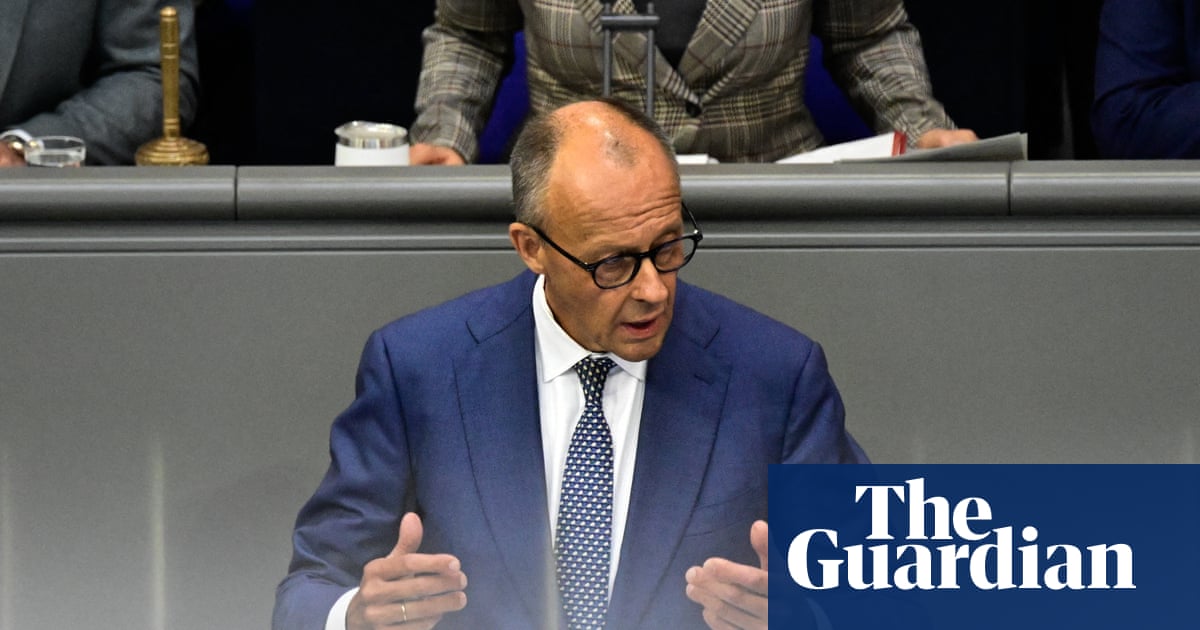
- Core Development: German Chancellor Friedrich Merz lashed out at the far-right AfD in the Bundestag, accusing the party of seeking ethnic cleansing through its mass deportation policies following a regional election.
- Beat Context: Categorized under World with independent corroboration.
- Reporting Depth: 3 minute analytical read synthesized from verified newsroom sources.
German Chancellor Friedrich Merz has launched a ferocious attack on the Alternative for Germany, accusing the far-right political force of pursuing "ethnic cleansing" through its flagship "remigration" policies. The high-stakes confrontation erupted in the Bundestag lower house, marking a bitter and volatile turning point in German politics following a seismic regional ballot.
The clash follows a shocking electoral breakthrough in the eastern state of Saxony-Anhalt, where the nativist party secured nearly 44% of the vote. According to reporting by The Guardian, the result represents the strongest showing for a far-right movement in a German state since the Nazi period. The conservative Christian Democratic Union suffered a crushing defeat, shedding roughly half of its regional support.
Media additions



Addressing a raucous parliamentary assembly that was repeatedly disrupted by jeering and heckling, Merz argued that the far-right platform directly threatens national stability.
The chancellor emphasized that millions of working immigrants are indispensable to the functioning of modern German society, warning that mass expulsions would devastate the labor market."The term ‘remigration’ is nothing but a synonym for ethnic cleansing based on origin and skin colour"
Friedrich Merz, German Chancellor, via The Guardian
"If those working in Germany have to leave the country again because you are championing ‘remigration’, then the skilled trades in Germany will no longer be able to function: not a single care home will remain open, not a single hospital in Germany will remain operational, and not a single restaurant in Germany will be able to stay in business."
Friedrich Merz, German Chancellor, via The Guardian
The political fallout extends well beyond domestic labor concerns, touching deeply upon foreign policy and international security. Merz attacked the opposition group for its steadfast opposition to military assistance for Ukraine and its perceived alignment with Moscow. He criticized the far-right faction for maintaining total silence regarding an attempted drone bomb attack at Leipzig airport, which Berlin has directly attributed to Russian state planning.
The party's federal co-leader, Alice Weidel, used her time at the podium to savour the electoral triumph. She declared that voters had pulverized the governing conservative-social democrat alliance and demanded an immediate change in national leadership.
The electoral arithmetic in Saxony-Anhalt has left regional governance hanging in the balance. Although the nativist group won nearly 44% of the vote, it fell three seats short of an absolute majority.
| Political Entity / Party | Saxony-Anhalt Vote Share | National Polling Position |
|---|---|---|
| Alternative for Germany (AfD) | Nearly 44% | Leading at roughly 28% to 29% |
| Christian Democratic Union (CDU) | 17.2% | Competitive at national level |
International reactions quickly followed the domestic showdown. United States President Donald Trump weighed in via social media, as reported by Newsday, praising the populist surge and blaming horrible immigration policies for Germany's troubles.
What happens next will be determined by upcoming electoral tests and parliamentary maneuvers. Two crucial state elections are scheduled for later this month on September 20, 2026, in Berlin and Mecklenburg-Western Pomerania. These regional contests will test whether the populist momentum can breach further political barriers ahead of the federal general election cycle.
How significant is this development?
Contribute your assessment to the aggregated reader sentiment ledger.
Frequently Asked Questions
Key questions answered in this reportWhat is the key development in: German chancellor accuses far-right AfD party of seeking ‘ethnic cleansing’?
German Chancellor Friedrich Merz lashed out at the far-right AfD in the Bundestag, accusing the party of seeking ethnic cleansing through its mass deportation policies following a regional election.
Why is this World development significant for the UK?
This report covers critical events in our World beat. Independent reporting monitors related UK statements, regulatory shifts, and public responses as further verified details emerge.
How was this reporting corroborated and verified?
Newsarchy UK compiles and cross-references reporting from primary reporting from newsday.com and cross-checked wire reports. All coverage adheres to published editorial standards.
When was this report published?
This briefing was published on September 9, 2026 and is permanently cataloged in the Newsarchy UK World archives.