Gillingham and Shaftesbury Show returns on August 19 and 20
EXECUTIVE BRIEFKey Takeaways & Signal
Core Development: The Gillingham and Shaftesbury Show returns to North Dorset, bringing traditional rural celebrations, livestock parades, and a fast-paced sport debut.
Beat Context: Categorized under World with independent corroboration.
The Gillingham and Shaftesbury Show returns on August 19 and August 20, bringing a mix of traditional rural celebrations and a fast-paced debut sport to North Dorset.
Organised by Cat Harris, the annual event takes place across acres of farmland and features livestock parades, agricultural trade stands, and family entertainment. This year introduces a high-speed sport involving horses and mountainboards directly into the main ring. Organisers emphasise that the gathering is structured to provide affordable family options, including free entry for young children and dozens of complimentary activities.
"The show is designed to offer good value with family deals, two-day options and free entry for under-fives. Plus, there’s over forty free great activities to enjoy once you are there."
Media additions
Image via yahoo.comImage via au.news.yahoo.comImage via aol.com
Cat Harris, organiser, via Bournemouth Echo
The long-running show celebrates farming, food, and countryside life across acres of land, featuring numerous livestock entries, trade stands, and hours of entertainment over two days. Returning favourites include Shetland pony racing, terrier and ferret racing, a family dog show, and polo demonstrations from the Dorset Polo Club. The Sheep Show returns with its trademark mix of humour and education, showcasing the intelligence and versatility of sheep, while the Dog & Duck Show features trained sheepdogs guiding ducks through a countryside-style obstacle course. At the heart of the event is a celebration of farming, highlighted by the Cornish Mutual Livestock Grand Parade, which honours top breeders and gives young handlers — some as young as five — the chance to step into the spotlight.
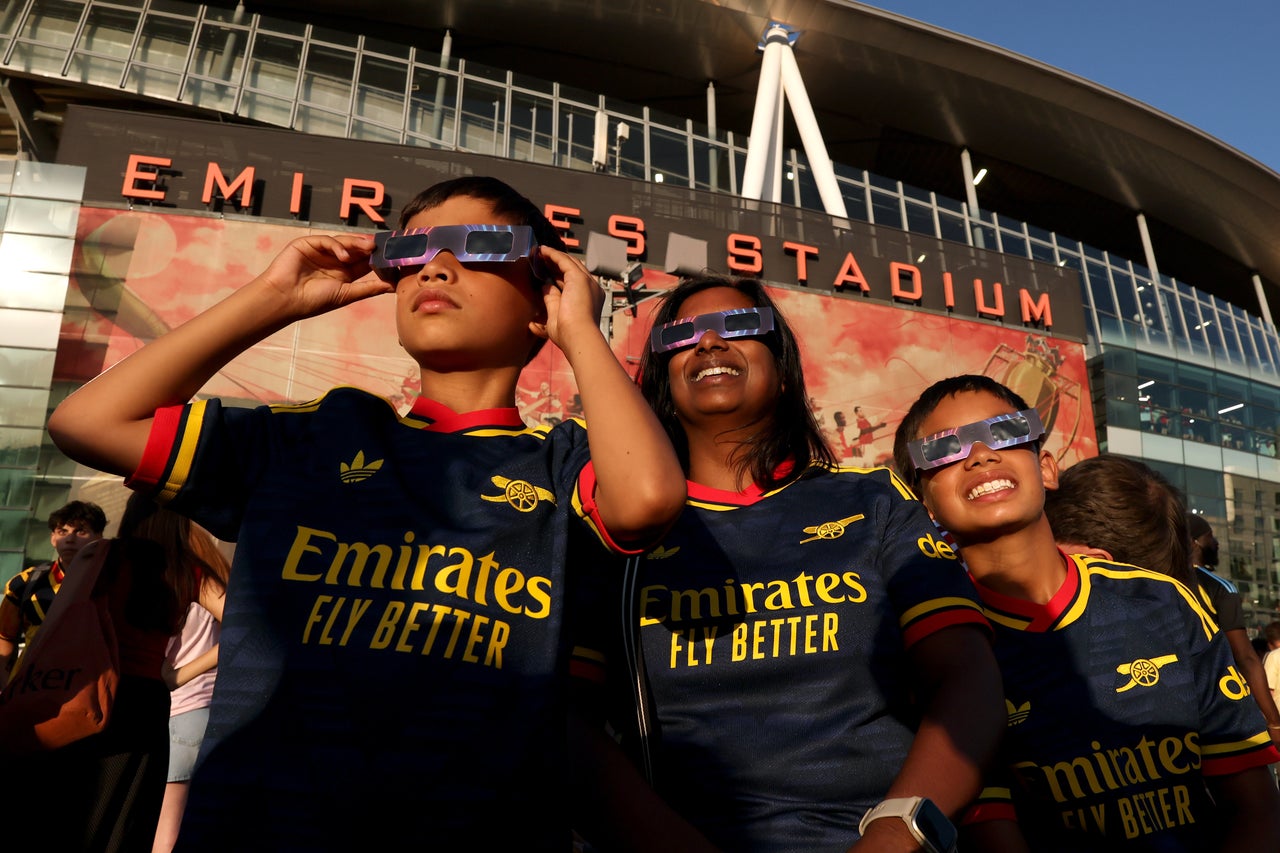
The return of the agricultural showcase follows a week dominated by major astronomical activity across Europe, where millions of people turned their attention upward for a rare celestial alignment. According to the UK Health and Security Agency (UKHSA), parts of the UK experienced the most significant solar coverage since the landmark 1999 phenomenon. While parts of Iceland, Greenland, Spain, and Portugal witnessed a total eclipse, viewers across the UK watched a substantial partial eclipse that obscured a vast majority of the sun. Dr Alistair Gunn, a radio astronomer at the Jodrell Bank Centre for Astrophysics at the University of Manchester, explained the mechanics of the event:
"A lunar eclipse, when the Moon moves through the shadow of the Earth, is visible from wherever the Moon is above the horizon, which is over half of the Earth. However, when the Moon appears to move in front of the Sun during a solar eclipse, the shadow cast by the Moon is much smaller than Earth. It's only about 480km (300 miles) wide when cast onto the Earth's surface. Solar eclipses are therefore only visible from within a narrow path across the Earth, making it difficult to get to a location to see one. This is why they are visible less often from any given location."
Dr Alistair Gunn, radio astronomer at the Jodrell Bank Centre for Astrophysics at the University of Manchester, via Yahoo News
The celestial event drew crowds to major stadiums and public spaces, with spectators gathering at athletic grounds and football fixtures across the continent. Yet the high demand for viewing equipment created logistical hurdles. As reported, a widespread shortage of certified solar eclipse glasses left many observers scrambling for alternative viewing methods.
Health authorities and medical professionals stepped in with practical guidance for indirect viewing. Experts recommended certified filters meeting international safety standards, but also outlined simple household alternatives. Medical specialists demonstrated how everyday items, such as a kitchen colander, a pierced piece of card, or a makeshift cereal box projector, allowed people to observe the spectacle safely without risking eye damage. David Jones, a consultant ophthalmologist for Royal Cornwall Hospitals Trust, highlighted the colander method as his favourite, noting that you can make not just one picture of the sun, but a hundred all at once.
Meanwhile, the tourism and hospitality sectors felt the immediate economic impact of the skies aligning. Destination areas saw dramatic spikes in local commerce. Data from the UK data firm Lighthouse showed that hotel room prices in Reykjavik surged significantly above average seasonal rates as international visitors flooded Iceland.
As the excitement of the skies clears, local focus shifts entirely back to the West Country's upcoming agricultural calendar. The Gillingham and Shaftesbury Show stands as a cornerstone for regional producers, livestock breeders, and families celebrating rural life.
What to watch next
The Gillingham and Shaftesbury Show opens at Motcombe’s Turnpike Showground on August 19 and August 20.
Events run across two days, featuring the debut of horseboarding alongside traditional livestock parades and the Cornish Mutual Livestock Grand Parade.
READER INTELLIGENCE PULSE
How significant is this development?
Contribute your assessment to the aggregated reader sentiment ledger.
Click an option to register your anonymous assessment.
Frequently Asked Questions
Key questions answered in this report
What is the key development in: Gillingham and Shaftesbury Show returns on August 19 and 20?
The Gillingham and Shaftesbury Show returns to North Dorset, bringing traditional rural celebrations, livestock parades, and a fast-paced sport debut.
Why is this World development significant for the UK?
This report covers critical events in our World beat. Independent reporting monitors related UK statements, regulatory shifts, and public responses as further verified details emerge.
How was this reporting corroborated and verified?
Newsarchy UK compiles and cross-references reporting from primary reporting from aol.com and cross-checked wire reports. All coverage adheres to published editorial standards.
When was this report published?
This briefing was published on August 13, 2026 and is permanently cataloged in the Newsarchy UK World archives.