Greece firefighting helicopters collide near Athens killing two
Two firefighting helicopters collided in mid-air near Athens, leaving two crew members dead and two others surviving during operations against a major blaze.

- Core Development: Two firefighting helicopters collided in mid-air near Athens, leaving two crew members dead and two others surviving during operations against a major blaze.
- Beat Context: Categorized under World with independent corroboration.
- Reporting Depth: 3 minute analytical read synthesized from verified newsroom sources.
Two firefighting helicopters collided in mid-air and crashed near Athens on Sunday, leaving two people dead and two others surviving during operations against a major blaze, according to Greek authorities. The tragedy unfolded in the Psatha area in Attica, west of the Greek capital, as gale-force winds and dry conditions fueled extensive wildfires across the region. Greek fire department officials confirmed that each of the two leased Bell helicopters was carrying a two-person crew after taking off from the Elefsina military airport.
The crash claimed the lives of a Danish pilot and a Greek firefighting coordinator. Two other crew members survived the impact and subsequent search and rescue operations: a British pilot and a Greek firefighting coordinator, with at least one sustaining injuries. Both survivors were transported to the 251 Air Force General Hospital in Athens for medical treatment.
Media additions
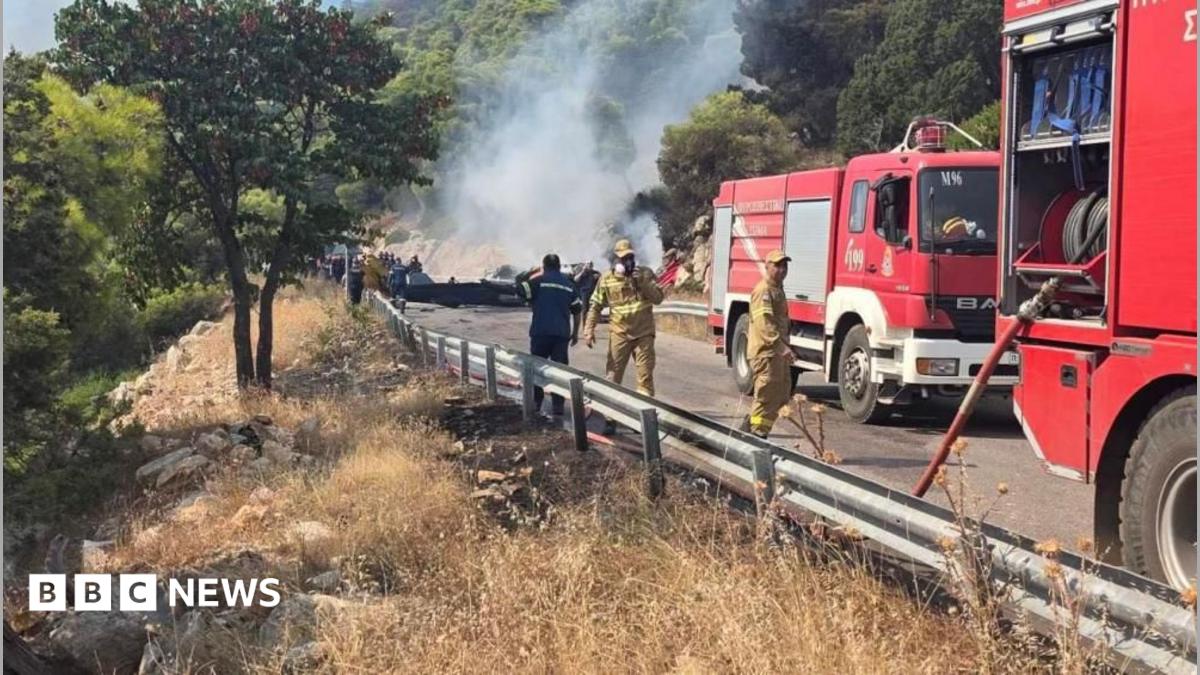
Prime Minister Kyriakos Mitsotakis expressed his deepest sorrow over the fatal accident, writing on social media that the loss of the frontline fighters under extremely adverse weather conditions fills the nation with grief. Climate Crisis and Civil Protection Minister Evangelos Tournas noted that very strong to gale-force winds continue to create exceptionally difficult conditions, explaining that extreme turbulence prevents aircraft from collecting water or approaching the fire line safely. Mitsotakis added that the country faces extremely difficult days ahead as the dozens of available aircraft cannot operate securely when nature and the intensity of weather phenomena surpass human planning and operational capability.
Meteorologist Theodore Giannaros explained that the country has experienced severe fire weather, noting that ongoing blazes have burned vast tracts of land. Residents in affected rural areas have joined local efforts, with villagers pouring water on advancing flames and describing total destruction of local forests. The fire began in the Boeotia region before spreading into Attica, sweeping toward Porto Germeno and forested mountains. Authorities report that hundreds of firefighters and numerous aircraft have been deployed to combat the blazes, while rescue teams have evacuated hundreds of people by sea from coastal communities threatened by fire and smoke.
The environmental context across the continent varies widely. Unlike western and southwestern European nations such as Spain, Portugal, France, and parts of Italy that have endured repeated extreme heatwaves with temperatures exceeding 40°C, Greece has experienced a relatively average summer without prolonged extreme heat. Instead, the rapid spread of the current Greek fires is driven primarily by dry vegetation and the Meltemi—dry, gusty northerly winds typical of July and August. In affected zones, gusts have reached 80 to 100 km/h, fanning flames, carrying embers over long distances, and sparking unpredictable spot fires that severely limit the safe operation of firefighting aircraft.
Amid the emergency response, local media reported that two individuals have been arrested on suspicion of negligence regarding the wildfire sweeping northwest Athens. Investigators believe the fire was started by sparks from a power network.
Wildfire Response Overview
- Location: Psatha and Porto Germeno areas, Attica and Boeotia regions, west of Athens.
- Aircraft involved: Two leased Bell firefighting helicopters, each carrying a two-person crew.
- Casualties: Two dead (a Danish pilot and a Greek firefighting coordinator); two survivors (a British pilot and a Greek firefighting coordinator).
- Primary weather factor: Persistent, gusty Meltemi winds causing extreme turbulence and hampering aerial water collection.
Authorities continue to investigate the exact cause and circumstances of the mid-air collision.
How significant is this development?
Contribute your assessment to the aggregated reader sentiment ledger.
Frequently Asked Questions
Key questions answered in this reportWhat is the key development in: Greece firefighting helicopters collide near Athens killing two?
Two firefighting helicopters collided in mid-air near Athens, leaving two crew members dead and two others surviving during operations against a major blaze.
Why is this World development significant for the UK?
This report covers critical events in our World beat. Independent reporting monitors related UK statements, regulatory shifts, and public responses as further verified details emerge.
How was this reporting corroborated and verified?
Newsarchy UK compiles and cross-references reporting from primary reporting from express.co.uk and cross-checked wire reports. All coverage adheres to published editorial standards.
When was this report published?
This briefing was published on August 2, 2026 and is permanently cataloged in the Newsarchy UK World archives.