Houthis threaten to target ships using Saudi ports amid maritime blockade
Houthi rebels have warned global shipping firms that vessels using Saudi ports face the risk of military targeting following a breakdown in regional stability. The escalation impacts the Red Sea, a vital corridor for global trade.

- Core Development: Houthi rebels have warned global shipping firms that vessels using Saudi ports face the risk of military targeting following a breakdown in regional stability. The escalation impacts the Red Sea, a vital corridor for global trade.
- Beat Context: Categorized under World with independent corroboration.
- Reporting Depth: 3 minute analytical read synthesized from verified newsroom sources.
Yemen’s Houthi rebels have declared a formal maritime blockade against Saudi Arabia, warning international shipping firms that any vessels engaging in the loading or discharging of cargo at Saudi ports face the risk of military targeting. The declaration, which came into force at 1201 GMT on July 20, marks a sharp deterioration in the relative calm that had persisted between the factions for an extended period.
The warnings were disseminated via email to global shipping companies by the Humanitarian Operations Coordination Center (HOCC), a body based in the Houthi-controlled capital of Sanaa. The communication explicitly states that vessels violating these conditions will be subject to sanctions and may face attacks in any location within the operational reach of the Yemeni Armed Forces. Houthi spokesperson Yahya Sari described the move as an application of the principle of an eye for an eye, characterizing the policy as a direct response to longstanding restrictions imposed on Houthi-controlled ports and airports by the Saudi-led coalition.
Media additions
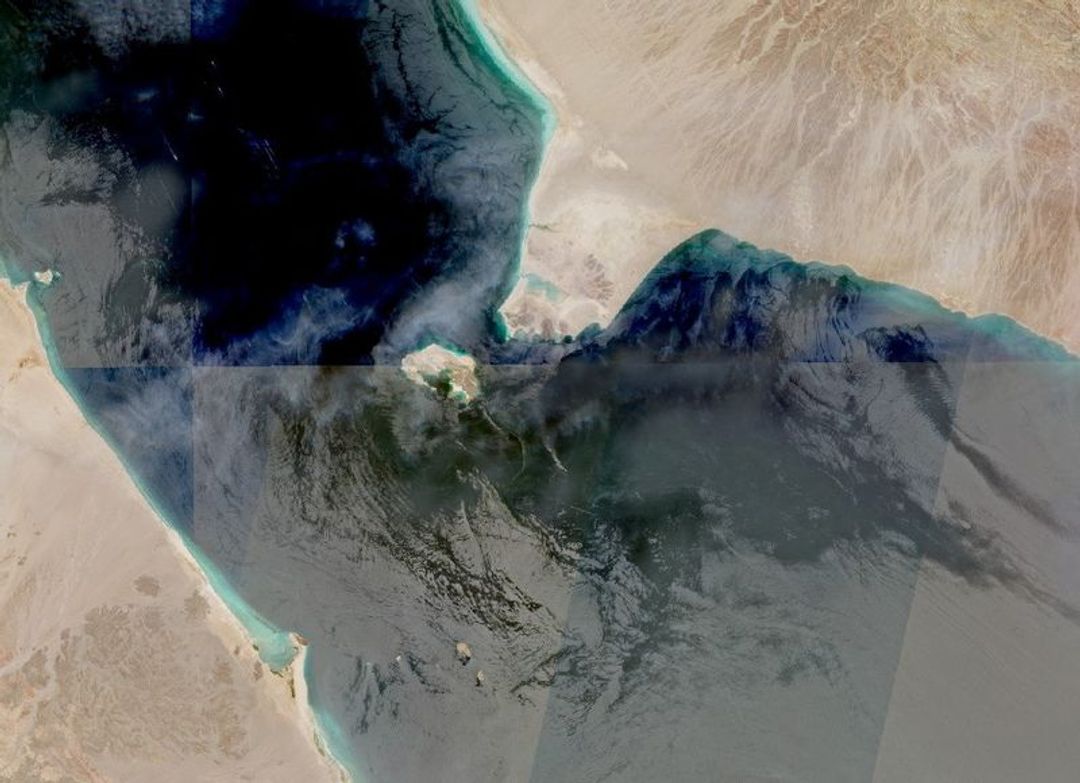
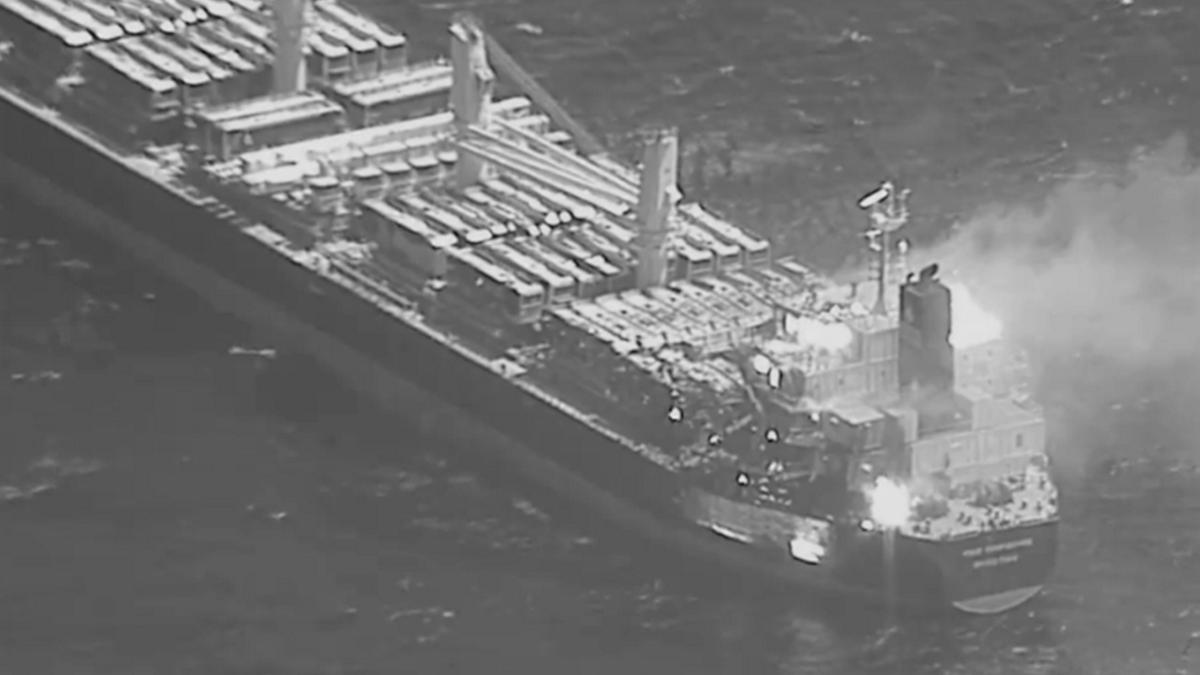
This escalation follows a collapse of the informal stability that had governed the region since the conclusion of a United Nations-backed truce in 2022. Tensions surged last week after an airstrike damaged the runway at Sanaa International Airport. While the Houthi leadership publicly blamed Riyadh for the strike, the internationally recognized Yemeni government claimed responsibility for the operation. The government asserted that the intervention was a necessary measure to prevent an Iranian aircraft carrying a Houthi delegation from landing at the facility. Control of Yemeni airspace has remained a source of friction for over a decade, as aircraft typically require authorization from the Saudi-led coalition to gain entry.
Following the airport strike, the Houthi group launched missiles into Saudi territory. The subsequent declaration of a maritime blockade has triggered regional concern, with Kuwait and Qatar formally rejecting the measure. Both nations have reaffirmed their commitment to the protection of freedom of navigation as established under international law.
The Red Sea serves as a vital corridor for global trade, providing a connection between Europe and Asia via the Suez Canal. Disruptions in this area hold significant implications for energy security, particularly as the southern gateway represents a critical alternative route to the Strait of Hormuz. Industry analysts note that traffic in the Red Sea had already faced intermittent challenges throughout the conflict period, with many shipping companies adjusting routes to avoid the area during previous rounds of instability.
United States President Donald Trump addressed the development, suggesting that Washington would intervene if the group moves to execute threats against Saudi-linked shipping. According to reports, Trump stated,
He added that the US would"We've had no problem with the Houthis. They've had no problem with us for a long period of time, including during this conflict."
take care ofthe group should they attempt to enforce the blockade against Saudi ports.
While the HOCC has urged maritime operators to exercise significant caution and due diligence in their transactions, there have been no confirmed reports of commercial vessels being attacked under the new measures. Industry sources who received the email notification described the communication as a reminder of the group's ongoing military presence and reach within the region. As the situation remains fluid, observers are monitoring whether this development effectively signals the end of the ceasefire period and how the shipping industry will navigate the potential for renewed conflict in one of the world's most critical maritime corridors.
How significant is this development?
Contribute your assessment to the aggregated reader sentiment ledger.
Frequently Asked Questions
Key questions answered in this reportWhat is the key development in: Houthis threaten to target ships using Saudi ports amid maritime blockade?
Houthi rebels have warned global shipping firms that vessels using Saudi ports face the risk of military targeting following a breakdown in regional stability. The escalation impacts the Red Sea, a vital corridor for global trade.
Why is this World development significant for the UK?
This report covers critical events in our World beat. Independent reporting monitors related UK statements, regulatory shifts, and public responses as further verified details emerge.
How was this reporting corroborated and verified?
Newsarchy UK compiles and cross-references reporting from primary reporting from english.mathrubhumi.com and cross-checked wire reports. All coverage adheres to published editorial standards.
When was this report published?
This briefing was published on July 21, 2026 and is permanently cataloged in the Newsarchy UK World archives.