Houthis claim strike on two Saudi tankers, fire aboard Encelia in Red Sea
Houthi militants claimed strikes against the Saudi-flagged tankers Encelia and Layla following a maritime ban, leading to a rise in Brent crude oil prices.
- Core Development: Houthi militants claimed strikes against the Saudi-flagged tankers Encelia and Layla following a maritime ban, leading to a rise in Brent crude oil prices.
- Beat Context: Categorized under World with independent corroboration.
- Reporting Depth: 4 minute analytical read synthesized from verified newsroom sources.
On 22 July 2026 the Yemen‑based Houthi movement announced that two Saudi‑flagged oil tankers – Encelia and Layla – had been hit by “ballistic and cruise missiles as well as drones”, sparking a fire on the bow of the Encelia. The claim arrives just two days after the rebels declared a maritime ban on Saudi‑linked vessels in the Red Sea, and it comes as the United States entered its twelfth consecutive night of strikes against Iran. The development pushes a volatile corridor that already diverts oil from the Strait of Hormuz onto the Red Sea, raising immediate concerns for global energy markets and commercial shipping.
What the parties say
The Houthi claim was posted on Telegram by spokesman Yahya Saree. In his message he said the operation “targeted the Saudi oil tankers Encelia and Layla for violating the group’s maritime blockade” and that “the strikes were accurate and caused a large fire on both vessels.”
Media additions
Saudi Arabia’s Transport General Authority (TGA), as quoted by the state news agency SPA, confirmed that the Encelia was struck while sailing in the Red Sea and that a fire broke out at the vessel’s bow. The agency added that all crew members were safe and that authorities had taken steps to secure the ship and protect the marine environment.
The United Kingdom Maritime Trade Operations (UKMTO) reported an “unknown projectile” hitting a tanker about 70 nautical miles southwest of Al Shuqaiq, Saudi Arabia, at roughly 20:00 UTC on the same day. The agency noted a fire onboard the vessel and said there were no casualties or known environmental damage. UKMTO’s advisory later confirmed a distress call from the Encelia reporting a missile strike near the outer limits of Saudi Arabia’s Jizan region.
British maritime risk‑management firm Vanguard also logged the incident, matching the UKMTO coordinates and describing it as an “unknown projectile” that set the tanker ablaze.
Broader maritime context
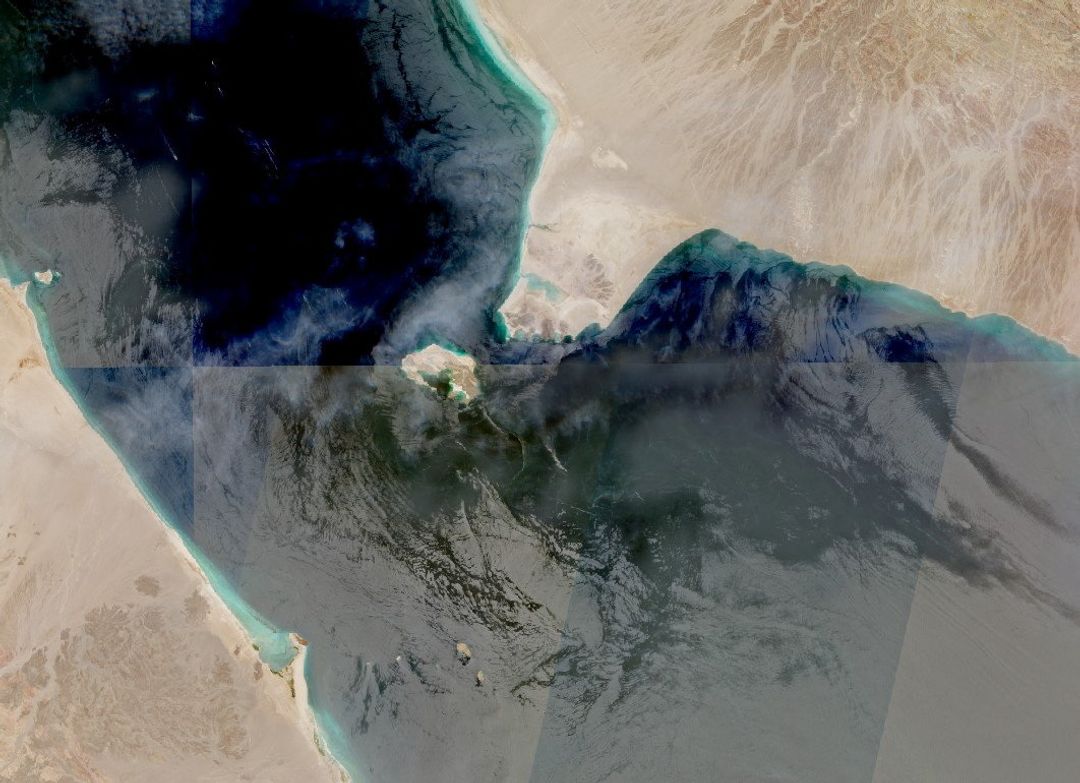
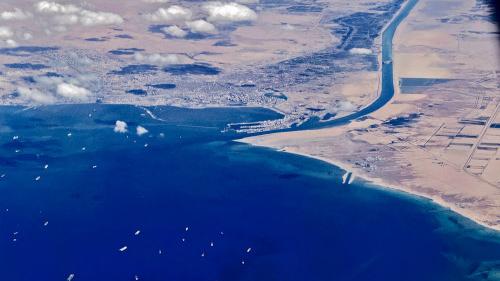
Since the war between Iran and Saudi Arabia began in late February, Saudi crude has been rerouted through the Red Sea, largely via the port of Yanbu, to bypass the Strait of Hormuz. The Red Sea route relies on the Bab el‑Mandeb (BAM) strait – a narrow choke point linking the Red Sea to the Indian Ocean – for roughly 15 per cent of global maritime trade.
On 20 July 2026 the Houthis announced a ban on Saudi‑linked vessels, accusing Saudi Arabia of a “long‑running blockade on areas under its control.” The declaration prompted a “firm and forceful” response from the Saudi‑led coalition and an advisory from UKMTO warning ships to transit the area with caution.
Shipping analytics firm Kpler recorded a sharp drop in traffic through both choke points on 21 July 2026. Vessel count through the Strait of Hormuz fell 31 per cent day‑on‑day to nine vessels, while traffic through Bab el‑Mandeb fell 34 per cent to 29 vessels. The same day, Kpler noted several confirmed U‑turns near the Gulf of Aden, suggesting operators were rerouting or pausing voyages in response to Houthi threats.
Energy markets reacted quickly. Brent crude futures jumped more than 3 per cent on Thursday, climbing above $95 a barrel, after the Red Sea flare‑up was reported.
US‑Iran escalation adds pressure
The attack coincided with the United States conducting its 12th straight night of strikes against Iranian targets, expanding the campaign to western and central Iran. US Central Command said the operations hit maritime capabilities, missile and drone storage sites, coastal surveillance stations and air‑defence assets. President Donald Trump reiterated his pledge to destroy an Iranian bridge or power plant each time Iran fires at a ship in the Strait of Hormuz, a threat that the Houthis reiterated in a Telegram warning that any attack on Yemen would be met with “major operations deep inside Saudi territory.”
Iran’s Revolutionary Guard Corps‑linked Tasnim news agency warned that Tehran would retaliate against any US strike on Iranian infrastructure, underscoring the risk that the Red Sea incident could draw the United States deeper into a wider regional confrontation.
Timeline of recent developments
- 20 July – Houthis announce maritime ban on Saudi‑linked vessels.
- 21 July – Kpler reports traffic down 31 per cent in Hormuz and 34 per cent in Bab el‑Mandeb; several vessels make U‑turns near Gulf of Aden.
- 22 July – Houthi spokesman Yahya Saree claims missiles and drones hit Encelia and Layla; UKMTO logs unknown projectile 70 nautical miles SW of Al Shuqaiq; Saudi TGA confirms fire on Encelia bow; US conducts 12th night of strikes against Iran.
- 23 July – Brent crude rises above $95 a barrel; US‑Iran tensions intensify.
What to watch next
- Further UKMTO advisories or confirmation of a second vessel hit.
- Official Saudi or Houthi statements on the fate of the Layla.
- Updates from Kpler on vessel traffic through the Red Sea and Hormuz in the coming days.
- Potential US‑Iran retaliation cycles that could broaden the maritime conflict.
- Responses from major oil purchasers and any shift in crude routing to alternative ports.
As the Red Sea corridor slides into a new front of the US‑Iran war, the safety of the world’s oil supply chain hangs on whether the Houthis can sustain their blockade and whether regional powers can keep commercial shipping moving without triggering a wider maritime showdown.
How significant is this development?
Contribute your assessment to the aggregated reader sentiment ledger.
Frequently Asked Questions
Key questions answered in this reportWhat is the key development in: Houthis claim strike on two Saudi tankers, fire aboard Encelia in Red Sea?
Houthi militants claimed strikes against the Saudi-flagged tankers Encelia and Layla following a maritime ban, leading to a rise in Brent crude oil prices.
Why is this World development significant for the UK?
This report covers critical events in our World beat. Independent reporting monitors related UK statements, regulatory shifts, and public responses as further verified details emerge.
How was this reporting corroborated and verified?
Newsarchy UK compiles and cross-references reporting from primary reporting from aol.com and cross-checked wire reports. All coverage adheres to published editorial standards.
When was this report published?
This briefing was published on July 23, 2026 and is permanently cataloged in the Newsarchy UK World archives.