Hundreds rally for Arab parties to join post-Netanyahu government
Following his mandate to form a government, hundreds of Israelis demonstrated to demand that Arab parties be included in Eisenkot's coalition.
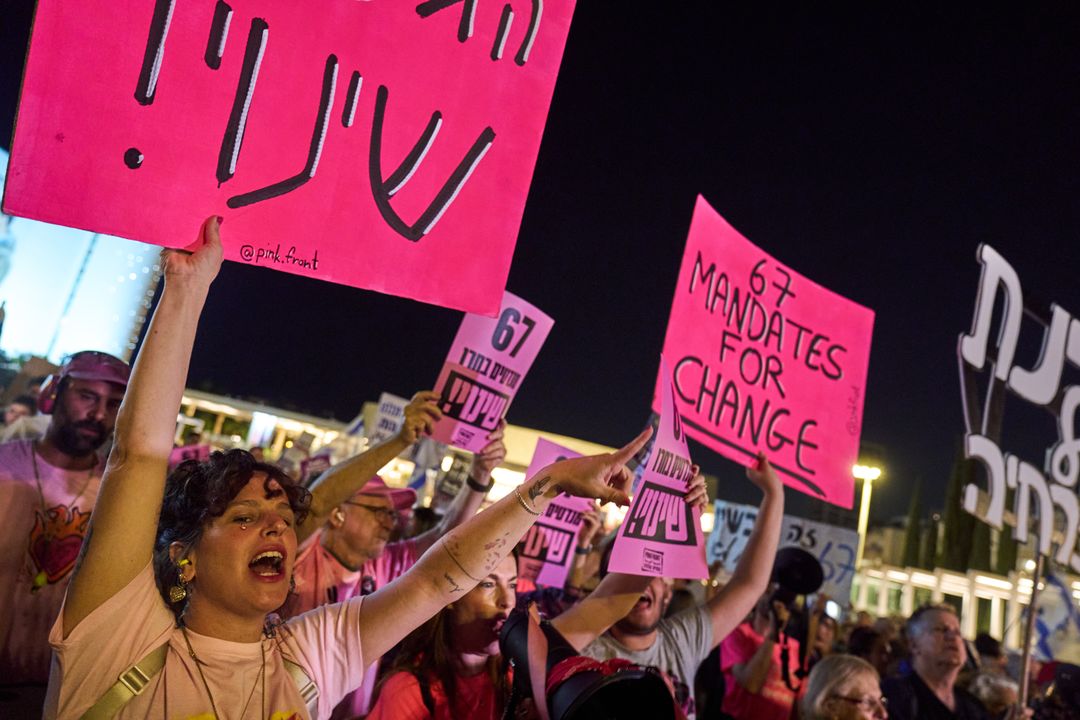
- Core Development: Following his mandate to form a government, hundreds of Israelis demonstrated to demand that Arab parties be included in Eisenkot's coalition.
- Beat Context: Categorized under World with independent corroboration.
- Reporting Depth: 4 minute analytical read synthesized from verified newsroom sources.
The day after Israel’s president handed the mandate to opposition leader Gadi Eisenkot, hundreds of Israelis took to streets in the Jezreel Valley and Tel Aviv to demand that Arab parties be brought into the new coalition.
The October 27 vote produced a Knesset in which the largest single party, Likud, captured 27 seats, but its broader coalition only reached 53, falling short of the 61‑seat majority required to govern. Eisenkot’s Yashar‑led coalition won 48 seats, while Arab‑led parties — Joint List and Ra’am — together secured 19 seats, giving them the possibility of becoming kingmakers. The president’s consultations with parties that week produced recommendations from 67 lawmakers for Eisenkot and 46 for Netanyahu, with seven parties abstaining.
Media additions
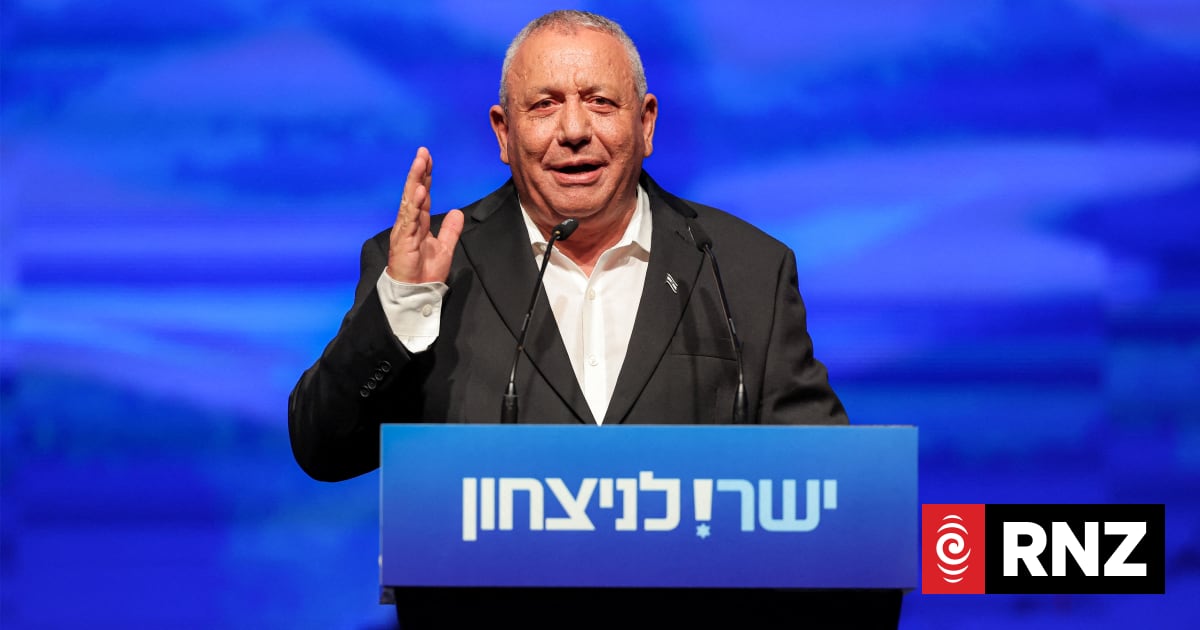

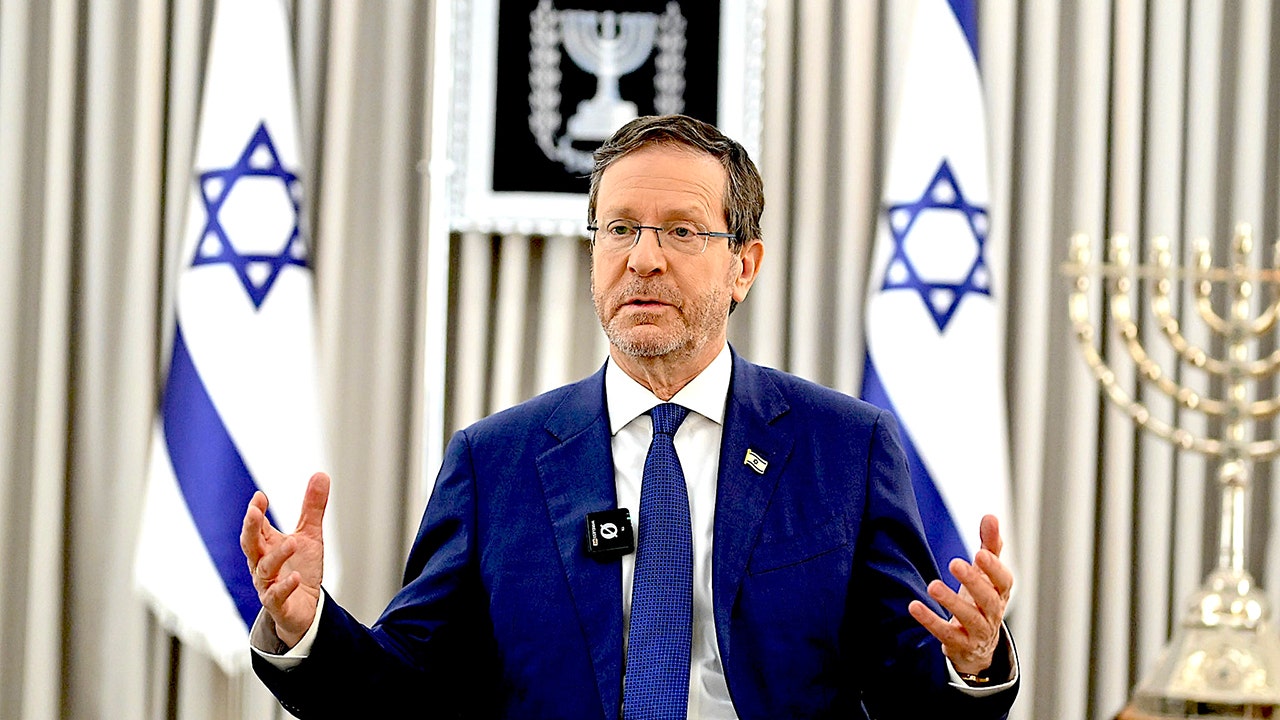
“The hard work will begin now for Eisenkot to put together a government that can pass a vote of confidence at the Knesset,” Al Jazeera’s Nour Odeh, reporting from Ramallah, said. The mandate gives Eisenkot 28 days to assemble a coalition, with a possible 14‑day extension. If he fails, Herzog will name a second candidate, and if that fails, a third; if all fail, another election will be called within 90 days, with Netanyahu remaining as caretaker prime minister.
Meanwhile, protests erupted in the Jezreel Valley and Tel Aviv. According to TRT World, around 300 demonstrators marched in the Jezreel Valley, while several hundred gathered in Habima Square in central Tel Aviv. The crowds carried placards in Arabic and Hebrew that read, “67 seats. Let’s take a new path,” and chanted, “Without partnership, there is no peace.” Protesters also demanded the release of journalist Abd Abu Shahadeh, who was arrested on suspicion of contact with a foreign agent after a reporting trip to Doha.
Netanyahu’s reaction has been swift. In a prerecorded video speech, he warned that a government “dependent on Islamists” would “dismantle the state of Israel from within, as is happening in European countries.” “Such a government, dependent on Islamists, will dismantle the state of Israel from within, as is happening in European countries, and far worse than that,” he said.
| Party/Bloc | Seats |
|---|---|
| Likud (largest single party) | 27 |
| Netanyahu’s coalition (incl. Likud) | 53 |
| Eisenkot’s coalition (Yashar, Bennett, Lieberman, Golan) | 48 |
| Arab‑led parties (Joint List + Ra’am) | 19 |
The Arab parties’ endorsement of Eisenkot is significant. Al Jazeera reports that the Joint List and Ra’am, together holding 19 seats, recommended Eisenkot. The endorsement gives him a theoretical 67‑seat bloc if he were to form a government with them, but Eisenkot has publicly ruled out a coalition that includes Arab parties.
Opposition leaders have expressed divergent views on the role of Arab parties. Avigdor Lieberman, leader of Yisrael Beiteinu, has said he would not sit in any government that included Arab parties, while the ultra‑orthodox parties have been reluctant to join either side. The situation has forced Eisenkot to consider a minority government that relies on external support from Arab parties, a possibility that has drawn criticism from some of his own coalition partners.
Israel’s political landscape has been in turmoil since the October 7 attack on the Gaza Strip, which triggered a war that has reshaped the electorate’s priorities. The October 27 election was the first held after the conflict, and the record turnout of Arab voters, who won 19 seats, has shifted the balance of power. Analysts say that the current impasse could lead to another election if Eisenkot fails to secure a majority within the 28‑day deadline, or if a coalition collapses before it can be sworn in.
What follows is a race against time. Eisenkot will need to negotiate with a range of parties, balancing the demands of his coalition, the anti‑Netanyahu bloc, and the Arab parties that have already endorsed him.
As the protests in the Jezreel Valley and Tel Aviv continue, the stakes remain high. If Eisenkot can navigate the complex web of alliances, he could become Israel’s first prime minister from a Mizrahi background and usher in a new era of governance that includes Arab parties. If he fails, the country faces yet another election, and the political deadlock that has plagued Israel since 2019 may deepen. The coming weeks will determine whether Israel’s political system can accommodate its diverse demographics or whether entrenched divisions will persist.
How significant is this development?
Contribute your assessment to the aggregated reader sentiment ledger.
Frequently Asked Questions
Key questions answered in this reportWhat is the key development in: Hundreds rally for Arab parties to join post-Netanyahu government?
Following his mandate to form a government, hundreds of Israelis demonstrated to demand that Arab parties be included in Eisenkot's coalition.
Why is this World development significant for the UK?
This report covers critical events in our World beat. Independent reporting monitors related UK statements, regulatory shifts, and public responses as further verified details emerge.
How was this reporting corroborated and verified?
Newsarchy UK compiles and cross-references reporting from primary reporting from Fox News and cross-checked wire reports. All coverage adheres to published editorial standards.
When was this report published?
This briefing was published on November 8, 2026 and is permanently cataloged in the Newsarchy UK World archives.


