Civilians Backed Every Successful Nigerian Coup, Says Babangida
Former military Head of State Ibrahim Babangida stated that wealthy civilians backed every successful coup in Nigeria's history. He also reflected on the 1985 coup attempt and the subsequent execution of General Mamman Vatsa.
Civilians Backed Every Successful Nigerian Coup, Says Babangida
EXECUTIVE BRIEFKey Takeaways & Signal
Core Development: Former military Head of State Ibrahim Babangida stated that wealthy civilians backed every successful coup in Nigeria's history. He also reflected on the 1985 coup attempt and the subsequent execution of General Mamman Vatsa.
Beat Context: Categorized under World with independent corroboration.
Every successful military takeover in the history of Nigeria relied on the active participation of civilians, according to former military Head of State Ibrahim Badamasi Babangida. According to Newtelegraphng, the former leader made the revelation during an interview broadcast by Badeggi 90.1 FM in Minna, Niger State. The remarks formed part of activities marking his 85th birthday.
According to Babangida, wealthy and influential citizens repeatedly lent their backing to military officers who sought to seize power at various junctures in the nation's political trajectory.
"No successful coup in Nigeria’s history had occurred without civilian involvement"
Media additions
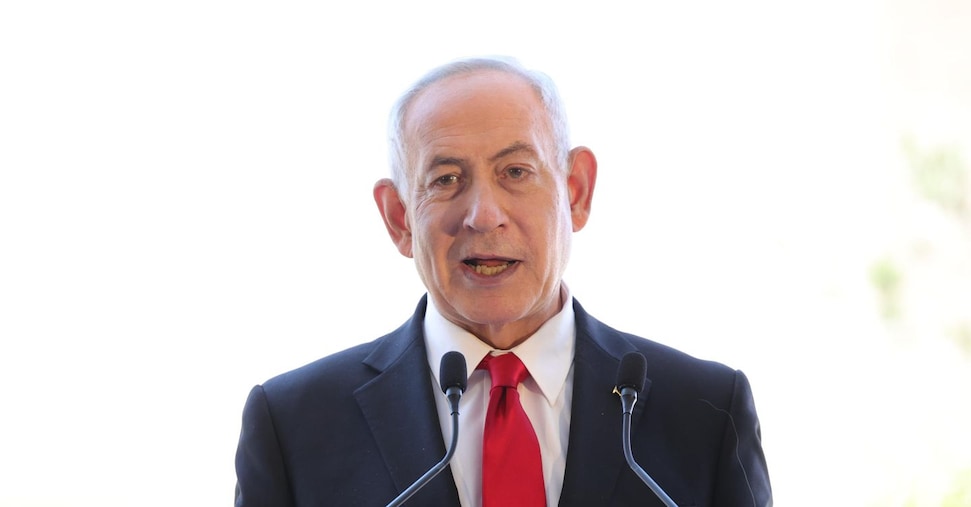
Image via gistmania.com
Ibrahim Badamasi Babangida, Former Military Head of State, via Newtelegraphng
Babangida ruled Nigeria from 1985 to 1993. During the same broadcast, the former head of state looked back at the turmoil of his administration, specifically addressing the 1985 coup attempt that targeted his government. He detailed the painful sequence of events that culminated in the execution of the Minister of the Federal Capital Territory, General Mamman Vatsa, in 1986.
The two men shared a deep personal history that stretched back to their youth. They attended Bida Middle School, later renamed Government College Bida, and completed their education in the same graduating year before embarking on joint careers within the armed forces. Babangida admitted he initially rejected intelligence reports suggesting his longtime friend and schoolmate was involved in subversion.
Babangida said he initially struggled to accept reports that Vatsa was connected to the alleged coup plot because of their long-standing friendship and shared history. Upon receiving a warning from a senior military officer alerting him that Vatsa and General Mohammed Gado Nasko had been mentioned in connection with an alleged plan to overthrow his government, the former head of state summoned the two men to address the rumors directly. Both men denied any connection to the conspiracy during the confrontation.
Subsequently, a military commission of inquiry was established to investigate the claims thoroughly. The investigative panel ultimately cleared Nasko of any wrongdoing, but discovered concrete evidence tying Vatsa to the conspiracy. Babangida described himself as devastated by the findings, noting that his official capacity left him powerless to alter the legal outcome or prevent the punishment prescribed by military law.
"There was nothing I could do to exonerate him from the consequences prescribed by military law. My hands were tied. That was how I lost my brother, General Mamman Vatsa"
Ibrahim Badamasi Babangida, Former Military Head of State, via Newtelegraphng
The wide-ranging interview also touched upon the contemporary state of the nation. Against the backdrop of Nigeria's current economic and security difficulties, Babangida urged the populace to exercise patience and maintain backing for the administration of President Bola Tinubu. He expressed optimism and confidence that current policy interventions and government measures would eventually produce improvements, yield positive results, and ease the burdens facing citizens.
Key Revelations from the Interview
Every successful military takeover in the country involved influential and wealthy citizens.
The 1985 coup attempt led to a formal military inquiry that implicated General Mamman Vatsa, culminating in his 1986 execution.
General Mohammed Gado Nasko was investigated by the same panel but cleared of all charges.
The former military ruler called for public support toward the current administration of President Bola Tinubu to navigate present economic and security difficulties.
READER INTELLIGENCE PULSE
How significant is this development?
Contribute your assessment to the aggregated reader sentiment ledger.
Click an option to register your anonymous assessment.
Frequently Asked Questions
Key questions answered in this report
What is the key development in: Civilians Backed Every Successful Nigerian Coup, Says Babangida?
Former military Head of State Ibrahim Babangida stated that wealthy civilians backed every successful coup in Nigeria's history. He also reflected on the 1985 coup attempt and the subsequent execution of General Mamman Vatsa.
Why is this World development significant for the UK?
This report covers critical events in our World beat. Independent reporting monitors related UK statements, regulatory shifts, and public responses as further verified details emerge.
How was this reporting corroborated and verified?
Newsarchy UK compiles and cross-references reporting from primary reporting from newtelegraphng.com and cross-checked wire reports. All coverage adheres to published editorial standards.
When was this report published?
This briefing was published on August 16, 2026 and is permanently cataloged in the Newsarchy UK World archives.