Iran Says 'No Decision' Made To Resume US Talks
Iran has not yet decided whether to resume indirect negotiations with the United States, leaving regional mediation efforts in a delicate balance.
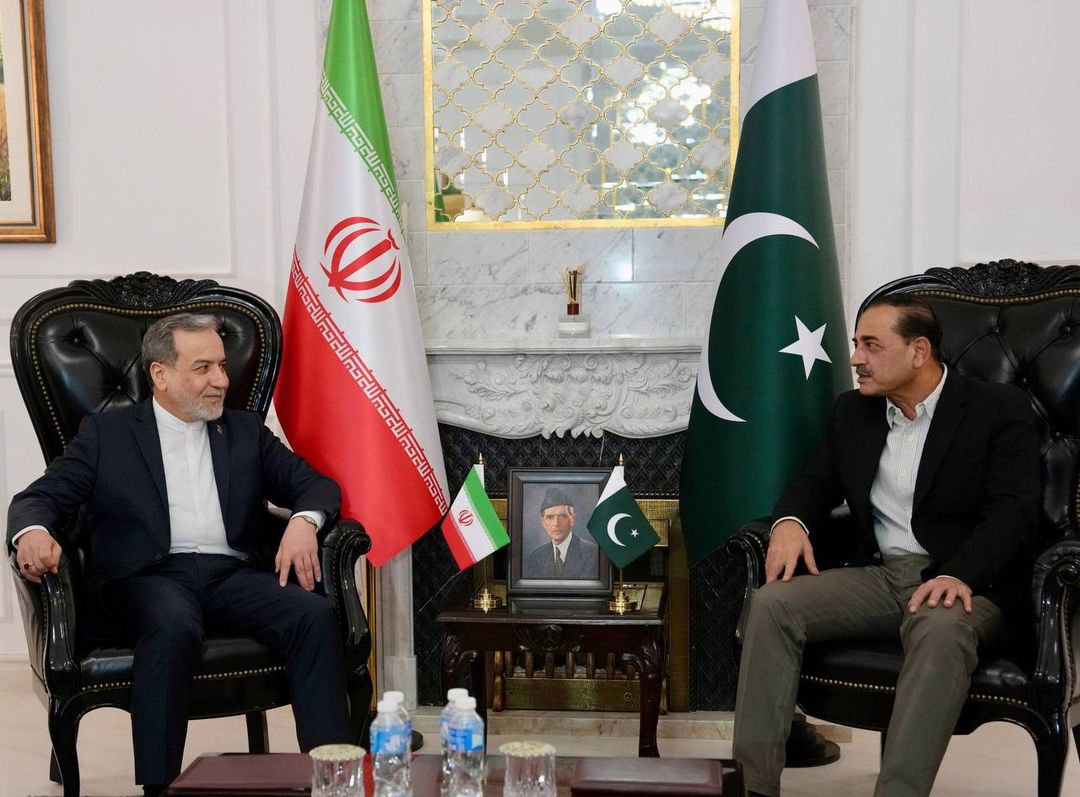
- Core Development: Iran has not yet decided whether to resume indirect negotiations with the United States, leaving regional mediation efforts in a delicate balance.
- Beat Context: Categorized under World with independent corroboration.
- Reporting Depth: 3 minute analytical read synthesized from verified newsroom sources.
Iran has not yet decided whether to resume indirect negotiations with the United States, according to Bernama. The diplomatic stance leaves regional mediation efforts in a delicate balance as officials navigate lingering fallout from a shattered peace framework and ongoing disputes over vital energy corridors.
Foreign Minister Abbas Araghchi addressed the state of international diplomacy, emphasizing that active diplomatic messaging through regional intermediaries should not be misconstrued as a formal return to bilateral bargaining. According to reporting from Trtworld, Araghchi made it clear that while communication channels via third parties remain open, Tehran has committed to no such breakthrough.
Media additions
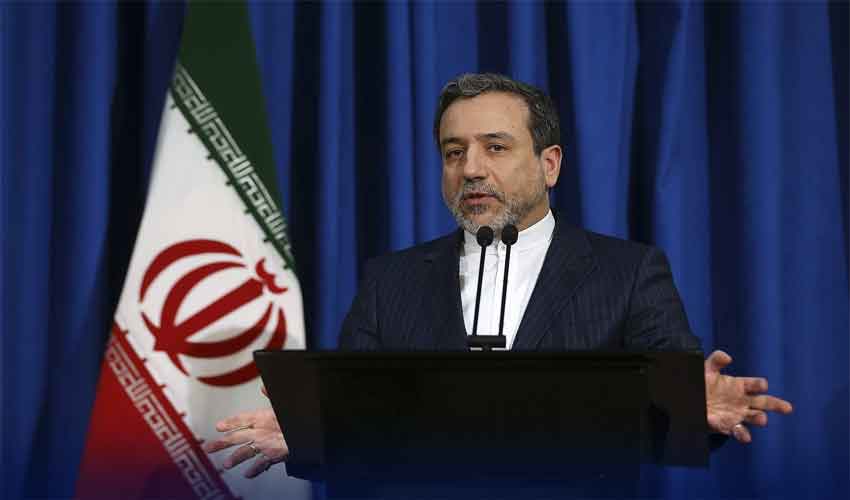
Disputed Terms of the Islamabad Memorandum
At the center of Tehran's diplomatic friction with Washington is the interpretation of the Islamabad memorandum. The framework agreement was brokered by Pakistan in June following earlier escalations that included a joint US-Israeli military offensive against Iran, which began on February 28, with strikes quickly killing the longtime supreme leader, Ali Khamenei, and much of the other top brass as well as hundreds of civilians.
But Iran quickly hit back by exerting control over the Strait of Hormuz, the narrow passageway through which one-fifth of global oil once sailed, and it has rained missiles and drones on Gulf states. The US and Iran agreed to a Pakistan-brokered ceasefire in April and later signed a deal on June 17, launching negotiations toward a final agreement. From July 8 to 24, the US and Iran exchanged more military strikes, with Washington launching attacks on targets inside Iran. Tehran responded by striking what it described as US military facilities and equipment in several Arab countries, including Jordan, Bahrain and Kuwait.
Reports suggesting that a 60-day ceasefire under the Islamabad memorandum required an extension were explicitly dismissed by Araghchi. As noted by Samaa, Araghchi maintained that the document provided for an end to the war rather than a temporary ceasefire, arguing that the US violated the terms and reignited hostilities. The 60-day window, he explained, was designated purely as a timeframe for reaching a final settlement rather than the lifespan of a truce.
Separate Tracks for Mediation and Technical Maritime Talks
While overarching political talks with Washington remain stalled, Tehran continues to engage with regional partners on distinct diplomatic and technical fronts.
- Qatar and Pakistan: Both nations continue to exchange messages and maintain contact with Tehran, though Araghchi insists these diplomatic exchanges do not equal formal negotiations with the US.
- Oman: Iran is engaged in separate technical discussions with Oman to design temporary shipping routes through the Strait of Hormuz, as previous paths are no longer deemed suitable. Experts from both countries and Iran's armed forces are participating in these talks, which could conclude soon.
Araghchi stressed that designing these alternative shipping lanes must not be confused with reopening the strait itself. The eventual reopening of the waterway depends entirely on the fulfillment of conditions that the United States must comply with, keeping the future of commercial navigation tied to a broader political resolution.
The diplomatic maneuvering unfolds against a backdrop of hardened rhetoric from Washington, where US President Donald Trump previously asserted that he would declare the Strait of Hormuz a “territory” of the United States. Iranian Deputy Foreign Minister Kazem Gharibabadi strongly rejected the threat, declaring that the waterway remains under Iranian authority and that Tehran will not be intimidated by Washington's show of force.
What to Watch Next
As diplomatic signals continue to evolve across the region, observers are monitoring several key developments:
- Whether ongoing message exchanges facilitated by Qatar and Pakistan mature into formal indirect talks between Tehran and Washington.
- The conclusion of technical shipping route discussions between Iran and Oman.
- Any potential movement by the United States to satisfy the conditions demanded by Tehran regarding the Strait of Hormuz, as explored in Iran's position on the strait closure.
For additional background on the diplomatic and security environment, readers can follow ongoing World coverage of the aftermath of regional military strikes and shifting negotiations.
How significant is this development?
Contribute your assessment to the aggregated reader sentiment ledger.
Frequently Asked Questions
Key questions answered in this reportWhat is the key development in: Iran Says 'No Decision' Made To Resume US Talks?
Iran has not yet decided whether to resume indirect negotiations with the United States, leaving regional mediation efforts in a delicate balance.
Why is this World development significant for the UK?
This report covers critical events in our World beat. Independent reporting monitors related UK statements, regulatory shifts, and public responses as further verified details emerge.
How was this reporting corroborated and verified?
Newsarchy UK compiles and cross-references reporting from primary reporting from samaa.tv and cross-checked wire reports. All coverage adheres to published editorial standards.
When was this report published?
This briefing was published on August 15, 2026 and is permanently cataloged in the Newsarchy UK World archives.