Iran Parliament Panel Approves New Penalties for Hormuz Rules
Iran's parliamentary leadership has advanced a strict legislative package to penalize maritime vessels breaching Strait of Hormuz transit regulations.
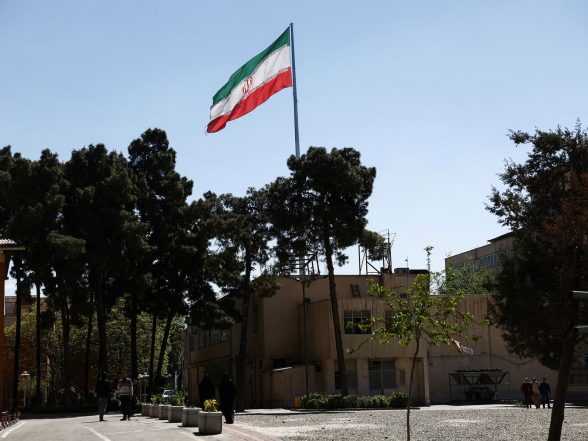
- Core Development: Iran's parliamentary leadership has advanced a strict legislative package to penalize maritime vessels breaching Strait of Hormuz transit regulations.
- Beat Context: Categorized under World with independent corroboration.
- Reporting Depth: 3 minute analytical read synthesized from verified newsroom sources.
Iran’s parliamentary leadership has advanced a stringent legislative package aimed at punishing maritime vessels that breach transit regulations within the Strait of Hormuz, escalating economic and military friction across West Asia as geopolitical tensions flare. The National Security and Foreign Policy Commission approved pivotal articles of the proposed “Strategic Action to Ensure Security and Development of the Strait of Hormuz” bill, setting the stage for formal parliamentary consideration and institutional oversight by military high commands, according to Latestly reporting via the Islamic Republic News Agency. The move intersects with broader regional instability, domestic security measures, and diplomatic showdowns on the international stage.
According to commission spokesperson Hassan Ghashghavi, the newly endorsed legislation under Article 13 empowers Iranian maritime forces to seize 20 per cent of a non-compliant vessel's cargo or recover its financial equivalent. Offending ships face temporary impoundment until all assessed fines and penalties are fully satisfied. Furthermore, Article 14 establishes severe domestic accountability standards for individuals or legal entities whose operational actions or negligence delay or impede the law's execution, carrying Grade 5 punishments under the Islamic Penal Code. The framework also explicitly asserts Iran's legal sovereignty over the vital waterway.
Media additions


To handle enforcement disputes, the Judiciary must institute specialized court branches dedicated to maritime law and the international law of the sea. Oversight of the entire regulatory mechanism rests with Iran's General Staff of the Armed Forces, requiring comprehensive reports to be submitted every three months directly or through the Ministry of Defence. Before reaching final enactment, the bill must clear the full Parliament and receive subsequent clearance from the Constitutional Council.
International reactions to the Strait of Hormuz regulations and broader security disputes have exposed deep diplomatic fissures. Addressing the 81st session of the United Nations General Assembly, United States President Donald Trump highlighted ongoing naval operations escorting oil shipments through the troubled waterway. Trump asserted that U.S. Naval forces had successfully escorted substantial volumes of petroleum out of the strait, boasting of daily convoy sizes ranging across multiple vessels. However, Trump also issued stark warnings regarding potential military action should peace negotiations falter, while members of the Iranian delegation notably walked out of the General Assembly hall during the remarks.
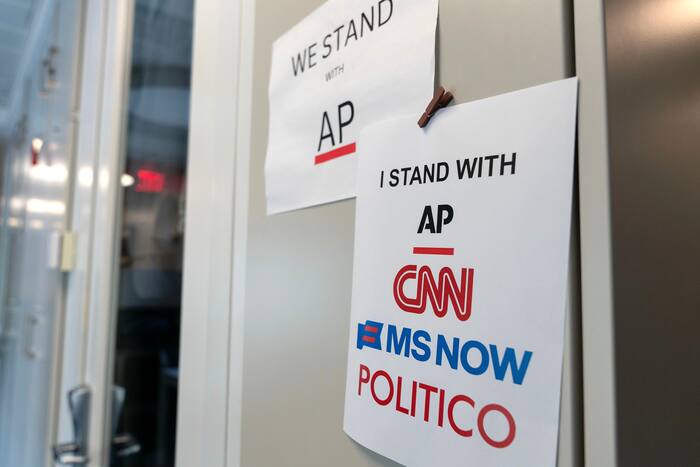
Simultaneously, the diplomatic summit in New York became entangled in domestic American political disputes regarding media freedoms and executive transparency. The unfolding standoff between the White House and major news organizations—featuring active legal challenges over press credentials—has drawn intense scrutiny from legal analysts and media watchdogs alike, paralleling debates seen in domestic regulatory policies such as those examined in discussions surrounding digital communication limits.
The interplay between legislative actions in Tehran and international naval strategies underscores the volatility of the region's commercial shipping lanes. Below is an overview of the key articles and oversight mechanisms proposed within the Iranian parliamentary bill:
| Bill Provision | Core Mechanism | Enforcement Authority |
|---|---|---|
| Article 13 | Confiscation of 20% of cargo (or financial equivalent) and temporary ship detention. | Iranian maritime forces and specialized maritime courts |
| Article 14 | Grade 5 penal code punishments for negligence or failure to implement the law. | The Iranian Judiciary |
| Article 15 | Mandatory quarterly reporting on implementation progress. | General Staff of the Armed Forces / Ministry of Defence |
As diplomatic channels remain strained and regional actors reinforce their legal and military postures, attention turns to the legislative calendar in Tehran. The bill must now pass a full vote in the Iranian Parliament before moving to the Constitutional Council for final review, promising continued tension across the global energy corridor.
How significant is this development?
Contribute your assessment to the aggregated reader sentiment ledger.
Frequently Asked Questions
Key questions answered in this reportWhat is the key development in: Iran Parliament Panel Approves New Penalties for Hormuz Rules?
Iran's parliamentary leadership has advanced a strict legislative package to penalize maritime vessels breaching Strait of Hormuz transit regulations.
Why is this World development significant for the UK?
This report covers critical events in our World beat. Independent reporting monitors related UK statements, regulatory shifts, and public responses as further verified details emerge.
How was this reporting corroborated and verified?
Newsarchy UK compiles and cross-references reporting from primary reporting from latestly.com and cross-checked wire reports. All coverage adheres to published editorial standards.
When was this report published?
This briefing was published on September 23, 2026 and is permanently cataloged in the Newsarchy UK World archives.