Iran prepares homeland terror pathways to strike US following military conflict
Following military conflict, U.S. and Western security agencies are tracking potential Iranian homeland terror pathways, surrogate networks, and assassination plots.
- Core Development: Following military conflict, U.S. and Western security agencies are tracking potential Iranian homeland terror pathways, surrogate networks, and assassination plots.
- Beat Context: Categorized under World with independent corroboration.
- Reporting Depth: 4 minute analytical read synthesized from verified newsroom sources.
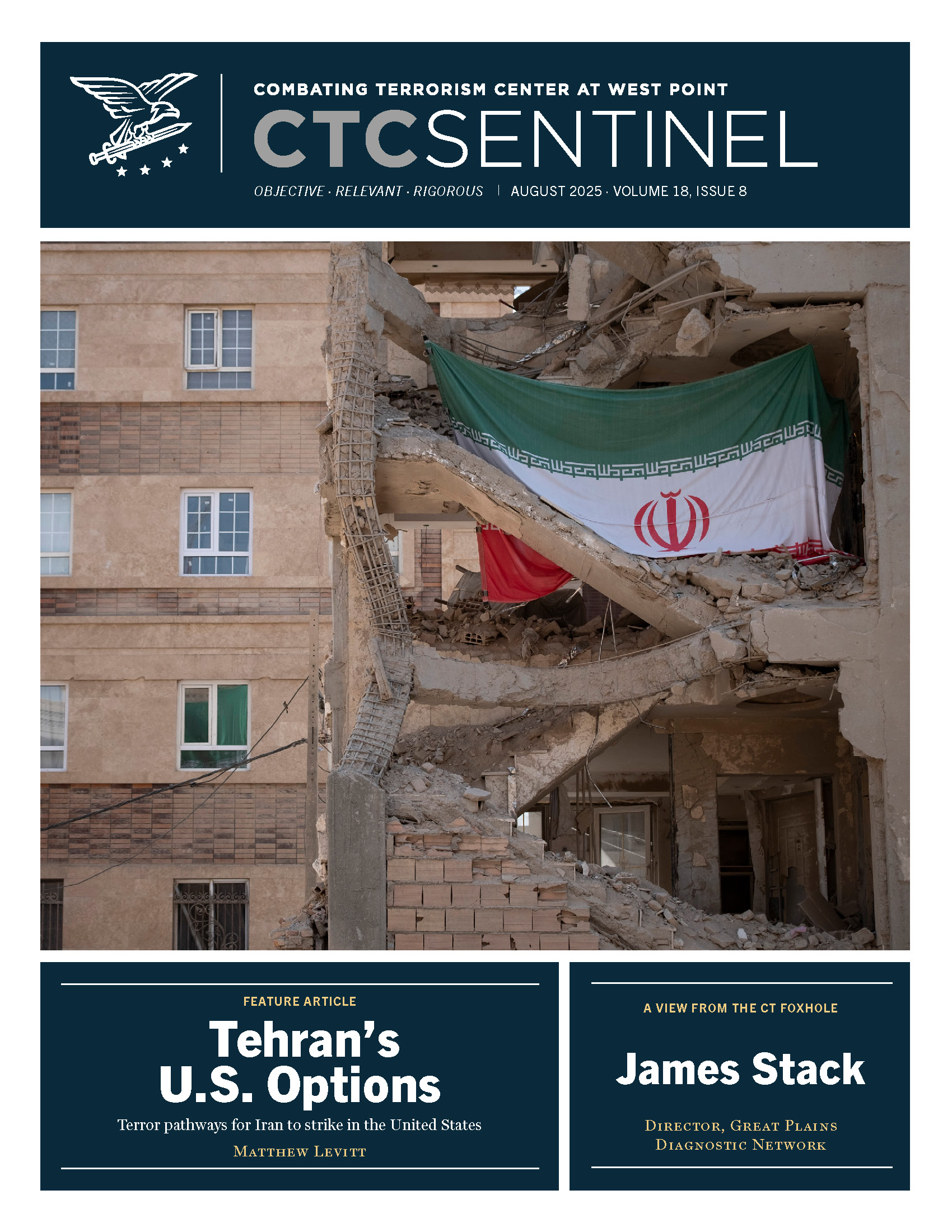
The threat of Iranian reprisal attacks looms large following military conflict, with authorities on high alert for homeland terror pathways. According to the Combating Terrorism Center at West Point, U.S. Law enforcement and intelligence authorities remain vigilant regarding potential revenge plots arising from a 12-day war and subsequent U.S. Bombings of Iranian nuclear facilities. The situation exposes deep vulnerabilities across Western nations as Tehran activates surrogate networks and criminal proxies.
The underlying mechanisms of Tehran's foreign operations rely heavily on asymmetric warfare. By viewing terrorism as an extension of foreign policy, Iranian intelligence services utilize multiple layers of operatives to bypass military superiority. Western security agencies have observed a clear pivot in these tactics, moving away from direct reliance on official diplomats toward more insulated criminal surrogates and homegrown extremists.
Media additions

Pathways of Threat: Agents, Criminal Surrogates, and Proxies
Intelligence reports emphasize that Tehran's strategy encompasses several distinct avenues for executing operations abroad. These range from direct state-dispatched agents to contracted criminal organizations and ideological terrorist proxies.
| Threat Pathway | Operational Characteristics | Observed Activity |
|---|---|---|
| Iranian Agents | Operatives under diplomatic cover or direct state intelligence direction. | Surveillance of dissidents, Jewish institutions, and infrastructure by state-linked actors. |
| Criminal Surrogates | Hired criminal gangs, drug traffickers, and independent contractors. | Murder-for-hire plots and intimidation campaigns orchestrated via intermediaries in Europe and North America. |
| Terrorist Proxies | Ideologically motivated groups such as Hezbollah and aligned networks. | Pre-operational surveillance and sleeper cells maintaining long-term capabilities in major urban centers. |
The transition toward criminal surrogates became pronounced following international crackdowns on state intelligence officers. European authorities exposed operations in Sweden and Germany during active military hostilities, while British security officials noted a surge in state-backed harassment.
International Legal and Political Battles
Disagreements remain among Western allies regarding the formal designation of the IRGC. While the European Parliament voted overwhelmingly in favor of designating the group as a terrorist organization, EU foreign policy officials argued that concrete judicial rulings from member states were a mandatory prerequisite under existing legal frameworks. Legal scholars maintain that administrative decisions, investigations, and third-party intelligence provide ample admissible evidence for designation without waiting for formal court convictions.
What to Watch Next
- Pending decisions by the European Council and individual member state courts regarding formal terrorist designations of the IRGC.
- Continued threat assessments and National Terrorism Advisory System bulletins issued by the Department of Homeland Security regarding potential domestic plots.
In the wake of military hostilities and nuclear strikes, Western security apparatuses face an elevated threat environment. Intelligence assessments from the Combating Terrorism Center at West Point indicate that while Iran's leadership may face constraints in mounting sophisticated, direct operations due to severe damage inflicted upon the Islamic Revolutionary Guard Corps — including the killing of high-ranking officials — the institutional commitment to asymmetric retaliation remains intact. Historical patterns demonstrate that Tehran has systematically cultivated alternative avenues of attack since the 1979 revolution, transforming foreign operations from ideological exports into pragmatic tools of state survival and deterrence.
The shift toward insulated networks is well-documented across multiple jurisdictions. Law enforcement agencies in the United States, Germany, and Sweden have disrupted numerous plots coordinated by state intelligence officers who utilized criminal intermediaries, drug traffickers, and independent contractors. As noted in assessments from Lawfaremedia, these methods allow the Iranian state to maintain plausible deniability while continuing to target dissidents, journalists, and former government officials across North America and Europe. Meanwhile, traditional terrorist proxies such as Hezbollah maintain long-term sleeper cells in major urban centers, conducting pre-operational surveillance while primarily engaging in illicit financial activities until tasked to respond to perceived external threats.
Concurrently, the diplomatic and legal debate surrounding the formal designation of the IRGC highlights deep procedural divisions among Western allies. While legal experts argue that existing frameworks under European Union guidelines permit administrative designations based on credible third-party intelligence and foreign investigations without requiring a domestic court conviction, political leaders remain cautious. Debates persist regarding whether proscription would destabilize diplomatic channels or provoke retaliatory economic and political sanctions from Tehran.
As British, European, and American counter-terrorism agencies adjust their resource allocations, reassigning personnel and enhancing domestic monitoring, the international community waits for definitive regulatory actions. Future developments will depend heavily on upcoming judicial and administrative rulings by the European Council and ongoing threat evaluations published by the Department of Homeland Security as authorities track potential domestic pathways for reprisal.
How significant is this development?
Contribute your assessment to the aggregated reader sentiment ledger.
Frequently Asked Questions
Key questions answered in this reportWhat is the key development in: Iran prepares homeland terror pathways to strike US following military conflict?
Following military conflict, U.S. and Western security agencies are tracking potential Iranian homeland terror pathways, surrogate networks, and assassination plots.
Why is this World development significant for the UK?
This report covers critical events in our World beat. Independent reporting monitors related UK statements, regulatory shifts, and public responses as further verified details emerge.
How was this reporting corroborated and verified?
Newsarchy UK compiles and cross-references reporting from primary reporting from lawfaremedia.org and cross-checked wire reports. All coverage adheres to published editorial standards.
When was this report published?
This briefing was published on September 26, 2026 and is permanently cataloged in the Newsarchy UK World archives.