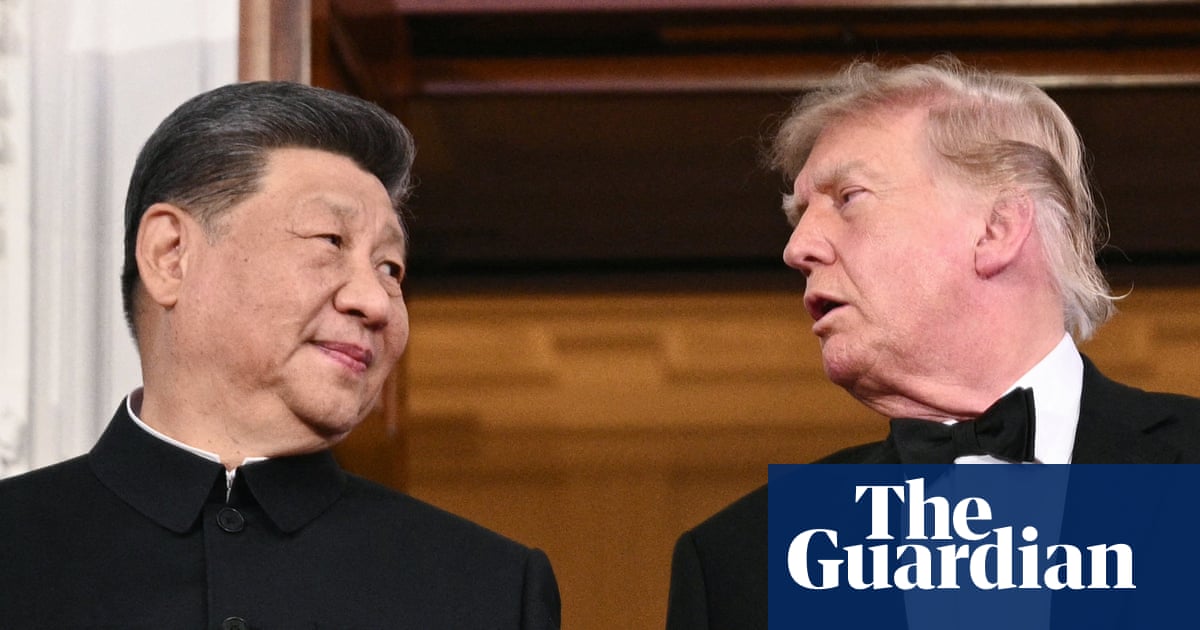
Iran says it has given US 'concrete' seven-day plan to reopen Strait of Hormuz
Iranian Foreign Minister Abbas Araghchi announced a seven-day roadmap to reopen the Strait of Hormuz, contingent on US concessions and a ceasefire.
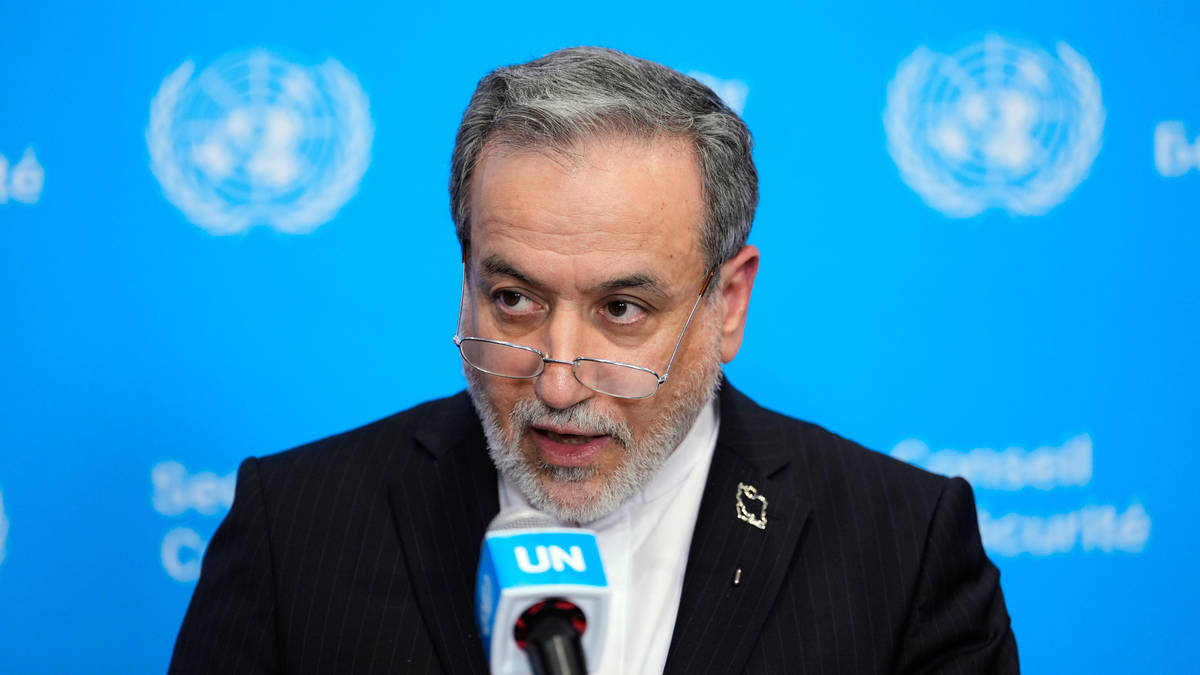
- Core Development: Iranian Foreign Minister Abbas Araghchi announced a seven-day roadmap to reopen the Strait of Hormuz, contingent on US concessions and a ceasefire.
- Beat Context: Categorized under World with independent corroboration.
- Reporting Depth: 3 minute analytical read synthesized from verified newsroom sources.
A diplomatic push at the United Nations General Assembly in New York has brought the long-running conflict over the Strait of Hormuz to a potential turning point. Iranian Foreign Minister Abbas Araghchi told reporters on Friday that Tehran has delivered a “concrete” seven-day roadmap to the United States through intermediaries including Qatar. According to Araghchi, the proposal outlines a timetable to reopen the critical waterway and resume stalled nuclear negotiations, provided Washington meets a series of specified conditions.
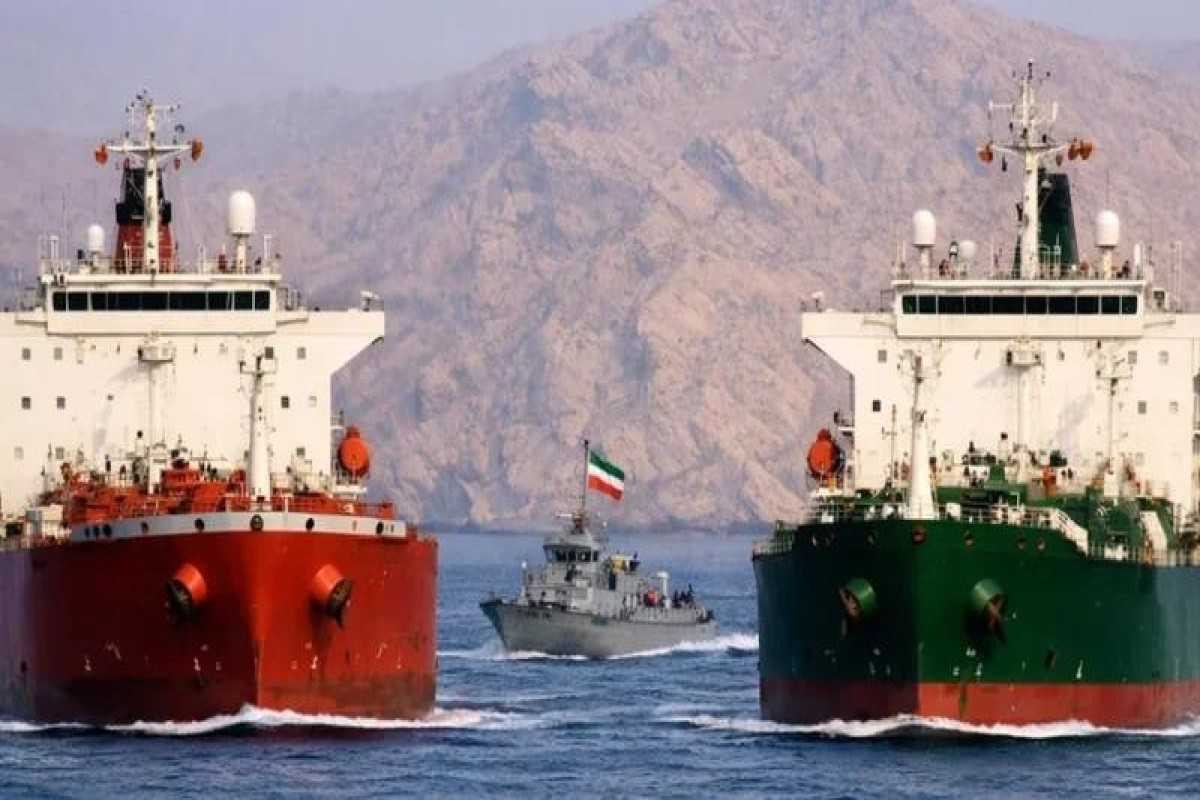
The Strait of Hormuz serves as a vital global energy transit route. Before the Iran war 20% of the world's oil and gas passed through the narrow maritime passage. Prolonged naval blockades and disruptions to commercial shipping have choked Iran's crude exports—a primary source of state revenue—while driving up global energy prices and inflation. Against this backdrop, both nations have engaged in indirect diplomacy on the sidelines of the UN summit.
Media additions
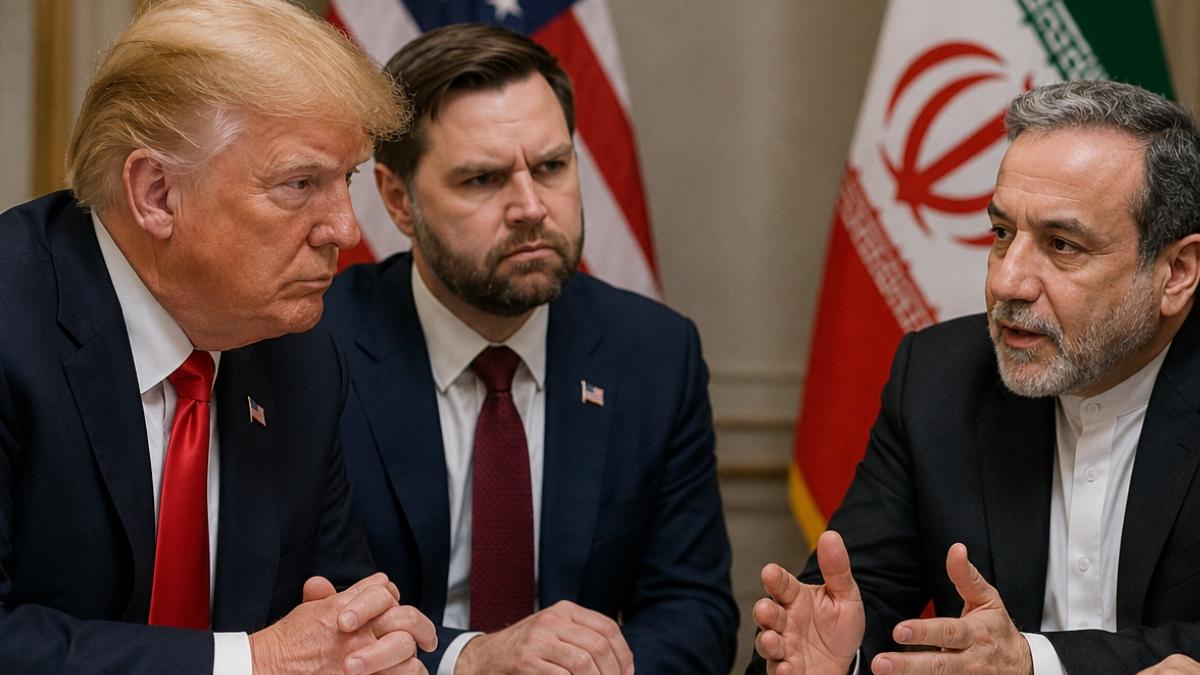

Under Tehran's proposed schedule, the sequence of implementation marks a departure from previous negotiations. A memorandum of understanding agreed upon by the two sides in June had called for a 60-day interim period before any substantive reopening or talks. The new seven-day plan reverses that order, requiring Washington to take preliminary actions before Iran permits commercial traffic to resume. Araghchi explained that initial steps would take about four to five days to complete and the strait would be open on the sixth day. On day seven, the talks with the US will be started for the final deal on mutually agreed subjects.
Sources familiar with Tehran's position noted that the roadmap requires the United States to implement its commitments before Iran opens the waterway. Mohsen Rezaei, secretary of Iran's Supreme National Security Council, stated that there would be no negotiations or reopening of Hormuz until those demands are fully met. A senior Iranian official told Reuters that the strait would remain closed until all conditions are satisfied by Washington.
The conditions stipulated by Tehran closely mirror the commitments contained in the June memorandum of understanding, alongside additional prerequisites. They include the immediate lifting of the US naval blockade on Iranian ports, the waiver of oil sanctions, the release of frozen Iranian funds, and a definitive halt to military operations and attacks on Iran. Furthermore, the proposal insists on a ceasefire that includes Lebanon, with sources indicating that Tehran may extend the same principle to the conflict in Yemen. In addition to these measures, sources told The National that the latest plan incorporates a uranium compromise: Tehran would dilute its stockpile of uranium enriched to 60 per cent and transfer it to a third party under mechanisms recognised by the International Atomic Energy Agency before the strait reopens.
The initiative has met with a cautious response from Washington. While US President Donald Trump has stated he is in no rush to reach a deal, even as inflation is going up amid high oil prices, the White House said on Friday that US officials were having positive and constructive conversations with mediators and it was helping to get significant oil exports through the strait, though the US has not yet formally accepted the seven-day timetable or publicly endorsed all of Tehran's conditions.
International analysts have offered mixed assessments of the proposal. "If Trump calculates this arrangement is worthwhile and can bring political benefit before the midterms and reduce gas prices, perhaps we'll see flexibility not seen in previous weeks," said Trita Parsi of the Quincy Institute thinktank. But he noted "deep suspicion", particularly around the prospect of Iran merely buying time to get out more of its oil and ease its economic pain. Meanwhile, the International Atomic Energy Agency continues to track unresolved verification challenges surrounding Iran's nuclear activities, adding further complexity to any prospective diplomatic accord.
As the diplomatic exchanges continue in New York, the immediate future of the strategic waterway hangs in the balance. Officials from both nations face a narrow window to bridge the gap over sequencing and core demands, with regional observers warning that military operations could resume if current efforts fail to produce a breakthrough.
How significant is this development?
Contribute your assessment to the aggregated reader sentiment ledger.
Frequently Asked Questions
Key questions answered in this reportWhat is the key development in: Iran says it has given US 'concrete' seven-day plan to reopen Strait of Hormuz?
Iranian Foreign Minister Abbas Araghchi announced a seven-day roadmap to reopen the Strait of Hormuz, contingent on US concessions and a ceasefire.
Why is this World development significant for the UK?
This report covers critical events in our World beat. Independent reporting monitors related UK statements, regulatory shifts, and public responses as further verified details emerge.
How was this reporting corroborated and verified?
Newsarchy UK compiles and cross-references reporting from primary reporting from english.mathrubhumi.com and cross-checked wire reports. All coverage adheres to published editorial standards.
When was this report published?
This briefing was published on September 25, 2026 and is permanently cataloged in the Newsarchy UK World archives.