Trump Says Iran War Is Militarily “Effectively Over” After Meeting Qatar PM
Following a meeting with Qatar's prime minister, President Trump declared the eight-month war with Iran militarily effectively over, while maintaining a naval blockade.
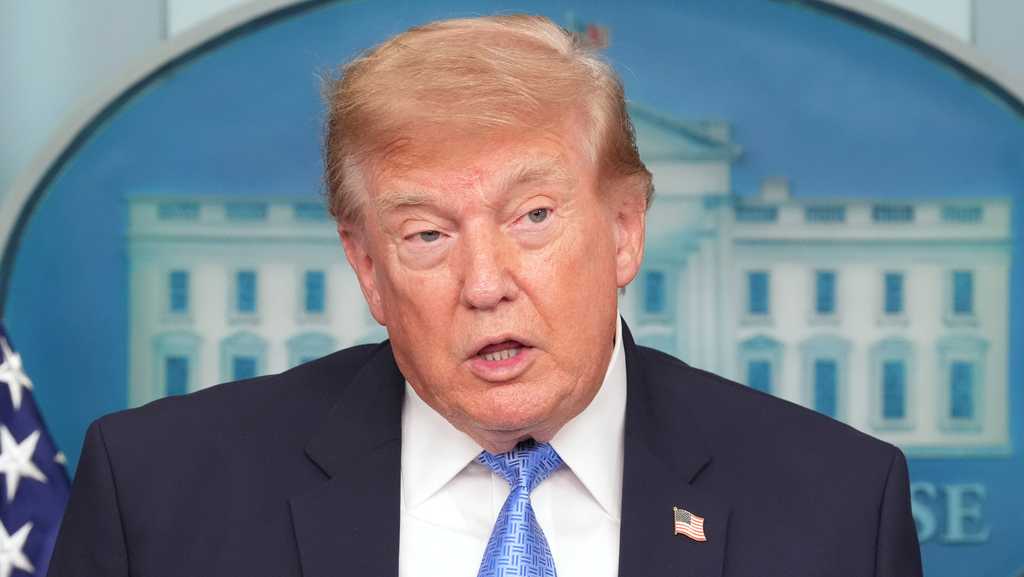
President Donald Trump declared Monday that the United States' war with Iran is "militarily effectively over," his most definitive signal yet that he will not resume large-scale bombardment after eight months of conflict that has roiled global energy markets and cost his party control of Congress.
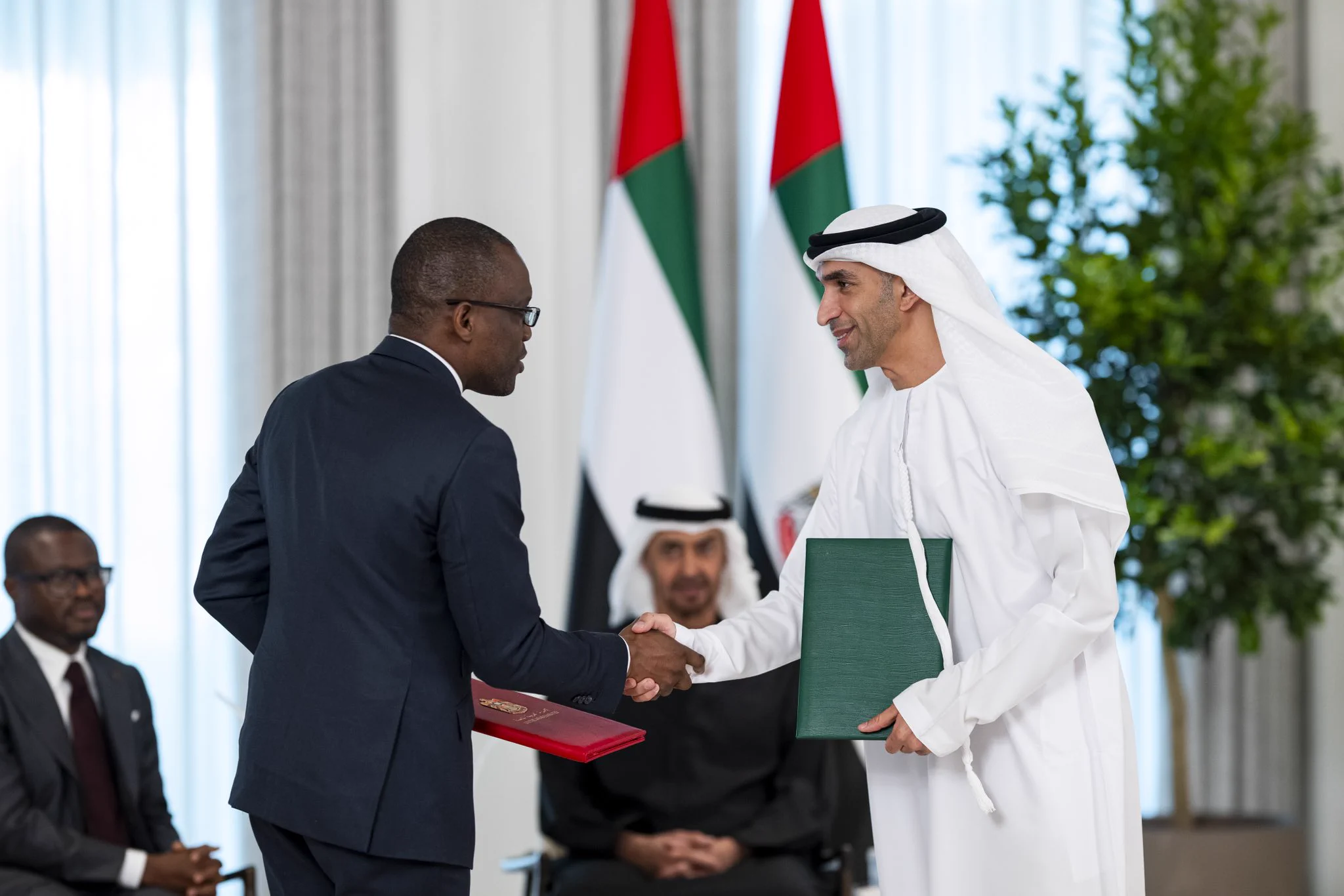
The announcement came moments after Trump met Qatar's prime minister, Sheikh Mohammed bin Abdulrahman bin Jassim Al Thani, at the White House. Qatar has served as a primary mediator between Washington and Tehran throughout the war.
Media additions


What changed and why it matters
Trump's language marked a sharp departure from his repeated threats to escalate strikes if Iran did not accept U.S. Terms. "Iran militarily is effectively over," he told reporters in the James Brady Press Briefing Room. "We're just keeping it the status quo." He added that Iran has been "decapitated" but said he still seeks a long-term solution to ensure Iran's nuclear programme is "defanged."
The remarks followed last week's midterm elections, in which Republicans lost both chambers of Congress amid voter anger over the war's economic fallout — particularly a surge in fuel prices that has rippled through nearly every sector of the global economy.
The status quo Trump intends to keep
Trump's definition of "status quo" includes:
- A naval blockade of Iranian ports that Trump called "the greatest military blockade ever" and "probably in the history of the world"
- A newly announced "Task Force Iron Gate" (also referred to as Operation Iron Gate) to cut off Iranian trade by land and through the Caspian Sea
- Thousands of U.S. Troops positioned in waters off Iran
- Continued limited strikes — U.S. Forces hit Iranian targets, including air defenses, at least twice in the past week, and fired on and disabled a commercial ship Saturday that the U.S. Said was attempting to breach the blockade
- Identified infrastructure targets, including 38 bridges, that would be struck if military action resumes
"The military action doesn't seem to be a very necessary thing, but we're locked and loaded, ready to go for any reason that changes," Trump said.
Qatar's role and the diplomatic track
Sheikh Mohammed, who also serves as Qatar's foreign minister, described the meeting as productive. "We discussed the situation in the region and ways to progress the US-Iran talks," he posted on X. "Grateful for the positive discussions on reaching a deal and bringing peace to the region."
According to Middle East officials cited by the Associated Press, Qatari officials presented proposals on Iran's nuclear programme last week. Iranian President Masoud Pezeshkian said Supreme Leader Mojtaba Khamenei had issued directives on ending the state of "neither war nor peace" with the United States, while insisting Iran would not "surrender to force, bullying."
Mohsen Rezaei, secretary of Iran's Supreme National Security Council, rejected Trump's characterization of diplomatic progress. "The war on Iran has already wrecked the US government. But Washington flails like a desperate gambler," Rezaei posted on X. "FOLD YOUR HAND. STOP manufacturing FAKE NEWS about imaginary talks. Time to SURRENDER to the seven conditions Iran has repeatedly set out."
Iran's seven conditions
Iran has publicly outlined seven demands for ending the conflict:
- Ending the U.S. Blockade of Iranian ports
- Lifting sanctions
- Unfreezing Iranian assets
- Issuing compensation for war damage
- Ending hostilities throughout the region, including Israeli operations in Lebanon
- Recognising a new shipping route through the Strait of Hormuz worked out with Oman
- Halting U.S. And Israeli military operations against Iranian allies
Secretary of State Marco Rubio dismissed the conditions as "outrageous and ridiculous and really not realistic," and told reporters he "wouldn't say we're on the verge of a breakthrough."
Regional allies and the blockade
Trump said Qatar, Saudi Arabia, the United Arab Emirates, Bahrain, Kuwait and other Gulf states "would prefer the status quo", a continuation of the blockade and Operation Iron Gate. "They are right now a lot safer than they were six months ago because Iran's been very much decapitated. But they're still the bully of the Middle East a little bit," Trump said.
The blockade, imposed shortly after the war began on February 28, aims to stem the flow of Iranian oil into global markets. Iran responded by shutting down the Strait of Hormuz, a vital waterway for oil, gas and fertiliser, and launching missile and drone attacks on Gulf neighbours including Qatar, Bahrain, Kuwait and the UAE, many targeting U.S. Military installations.
Domestic political pressure
The war has become a flashpoint in Washington. Defense Secretary Pete Hegseth, a prominent defender of the conflict, faced a motion to impeach from Republican Rep. Thomas Massie of Kentucky on Monday over his execution of the war. Critics argue the administration launched the war without proper authorization, violated the War Powers Resolution and subverted congressional war-declaring powers.
Hegseth said Monday that next steps are up to Trump, including the possibility of telling Iran: "Hey, we're done, and we're going to watch your nuclear material. You better not move it."
Recent military actions
Despite Trump's "effectively over" declaration, kinetic activity continued:
| Date | Action | Source |
|---|---|---|
| Past week | U.S. Limited strikes on Iranian targets, including air defenses (at least twice) | AP reporting |
| Saturday | U.S. Fired on and disabled commercial ship attempting to breach blockade | AP reporting |
| Overnight before Monday | U.S. Struck Iran's Qeshm island | Reuters |
| Sunday | Tanker hit a mine east of Strait of Hormuz | Iranian state media |
The U.S. Also recently announced a $20 million reward for information on Iran's nuclear programme, including facilities, equipment and associated personnel.
What to watch next
- Whether Iran formally responds to Trump's "positive momentum" characterization or reiterates its seven conditions as non-negotiable
- Whether the White House provides details on the Qatari proposals or any direct U.S.-Iran communication
- Congressional action on the War Powers Resolution and the Massie impeachment resolution against Hegseth
- Any drawdown of U.S. Naval assets or modification of the blockade, Trump gave "no hint" of either on Monday
- Reaction from Israel, which has conducted parallel operations in Lebanon and against Iranian targets, and whose coordination with Washington on next steps remains unclear
Trump told CNN in a phone interview Sunday that as long as the U.S. Sees progress in negotiations and Iran signs a "strong agreement," it is "highly unlikely it's going to be necessary" to resume strikes. But he stopped short of ruling them out, maintaining the "locked and loaded" posture that has defined his approach throughout the conflict.