Iran targets ADNOC tanker in Strait of Hormuz amid rising regional tensions
An Iranian missile struck an ADNOC oil tanker in the Strait of Hormuz without causing casualties, compounding severe disruptions to commercial shipping in the Gulf.
- Core Development: An Iranian missile struck an ADNOC oil tanker in the Strait of Hormuz without causing casualties, compounding severe disruptions to commercial shipping in the Gulf.
- Beat Context: Categorized under World with independent corroboration.
- Reporting Depth: 3 minute analytical read synthesized from verified newsroom sources.
Middle East tensions escalated further as Iran targeted a vessel belonging to the Abu Dhabi National Oil Company in the Strait of Hormuz, according to the United Arab Emirates foreign ministry. A missile struck the oil tanker while it was transiting the strategic waterway, though officials confirmed there were no casualties. The UAE foreign ministry condemned what it termed a hostile Iranian attack. The incident occurred while Tehran engaged in ongoing negotiations with Oman concerning the future management of the strait, where Iran has imposed an effective blockade and sought to charge users for passage.
Marine tracking data underscores the severe impact of the conflict on commercial shipping in key Gulf waterways. Traffic through the Strait of Hormuz has slowed to a fraction of its pre-war volume, with just a handful of vessels making the crossing recently, compared to pre-war figures where roughly one-fifth of the world's oil and gas shipments traversed the passage.
Media additions
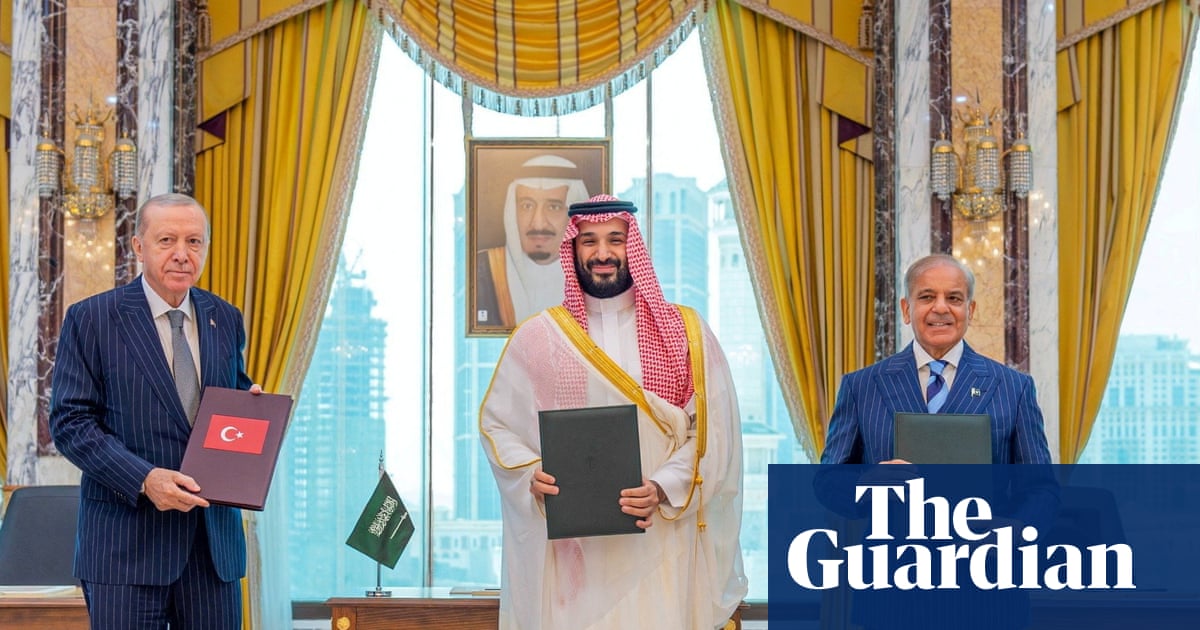
The maritime attack unfolded against a backdrop of sweeping geopolitical realignments. In Islam's holiest city, Saudi Arabia, Turkey, and Pakistan signed the Makkah Joint Defence Agreement, a mutual-defence pact stipulating that an armed attack on one country shall be deemed an attack against them all. The deal was signed by Saudi Crown Prince Mohammed bin Salman, Turkish President Recep Tayyip Erdoğan, and Pakistani Prime Minister Shehbaz Sharif.
Iranian officials offered sharp dismissals of the new trilateral pact. Iranian parliamentarian Ebrahim Rezaei described the agreement as a paper pact that would fail to provide security, echoing warnings from other political figures who argued that relying on outside powers or new alliances would not shield Riyadh from regional instability. Meanwhile, Iranian Foreign Minister Abbas Araghchi urged Muslim unity on social media, emphasizing readiness in the face of outside military pressure.
On the ground in Yemen, violence continued to surge as Iran-backed Houthi rebels intensified attacks against Saudi-backed government forces in the eastern province of Marib. Following a series of strikes that left dozens of soldiers dead and wounded, fresh missile and drone attacks killed additional government troops and civilians. A spokesperson for the Saudi-led military coalition stated that while coalition forces do not seek further escalation, they will not permit the current balance of power on the ground to be altered.
Financial pressures and security concerns continue to reverberate internationally. Energy markets remain sensitive to supply disruptions, while the administration pursues diplomatic avenues to secure a lasting agreement over the Strait of Hormuz.
Key Developments and Regional Impacts
- Strait of Hormuz Attack: An ADNOC oil tanker was struck by a missile while transiting the waterway, with no casualties reported.
- Makkah Joint Defence Agreement: Saudi Arabia, Turkey, and Pakistan formalized a mutual-defence pact in Mecca, vowing a collective response to armed aggression against any member state.
- Yemeni Conflict Escalation: Houthi drone and missile strikes in Marib and southern Saudi Arabia led to significant casualties among government forces and injured civilians in Najran.
- Sanctions and Diplomatic Pressures: The Treasury Department announced a fresh round of sanctions targeting financial networks and exchange houses accused of laundering oil revenue for Iranian exporters.
The situation remains fluid as diplomats continue efforts to stabilize the waterway and manage ongoing regional flashpoints. Observers are watching for further developments in the negotiations between Iran and Oman regarding the strait, as well as the operational implementation of the Makkah Joint Defence Agreement.
How significant is this development?
Contribute your assessment to the aggregated reader sentiment ledger.
Frequently Asked Questions
Key questions answered in this reportWhat is the key development in: Iran targets ADNOC tanker in Strait of Hormuz amid rising regional tensions?
An Iranian missile struck an ADNOC oil tanker in the Strait of Hormuz without causing casualties, compounding severe disruptions to commercial shipping in the Gulf.
Why is this World development significant for the UK?
This report covers critical events in our World beat. Independent reporting monitors related UK statements, regulatory shifts, and public responses as further verified details emerge.
How was this reporting corroborated and verified?
Newsarchy UK compiles and cross-references reporting from primary reporting from ummid.com and cross-checked wire reports. All coverage adheres to published editorial standards.
When was this report published?
This briefing was published on August 8, 2026 and is permanently cataloged in the Newsarchy UK World archives.