Iran threatens US with unforgettable lessons after military deaths
The United States and Iran have entered a cycle of retaliation following a drone strike in Jordan, leading to the collapse of a recent peace agreement.

- Core Development: The United States and Iran have entered a cycle of retaliation following a drone strike in Jordan, leading to the collapse of a recent peace agreement.
- Beat Context: Categorized under World with independent corroboration.
- Reporting Depth: 3 minute analytical read synthesized from verified newsroom sources.
Military hostilities between the United States and Iran have escalated into a lethal phase, with Washington launching a fresh wave of airstrikes to retaliate for the first American troop deaths reported since the conflict resumed. This surge in violence signals the collapse of a brief, fragile attempt at a negotiated settlement, pushing both nations toward a deepening regional crisis that now threatens to degrade essential infrastructure and disrupt global energy supplies.
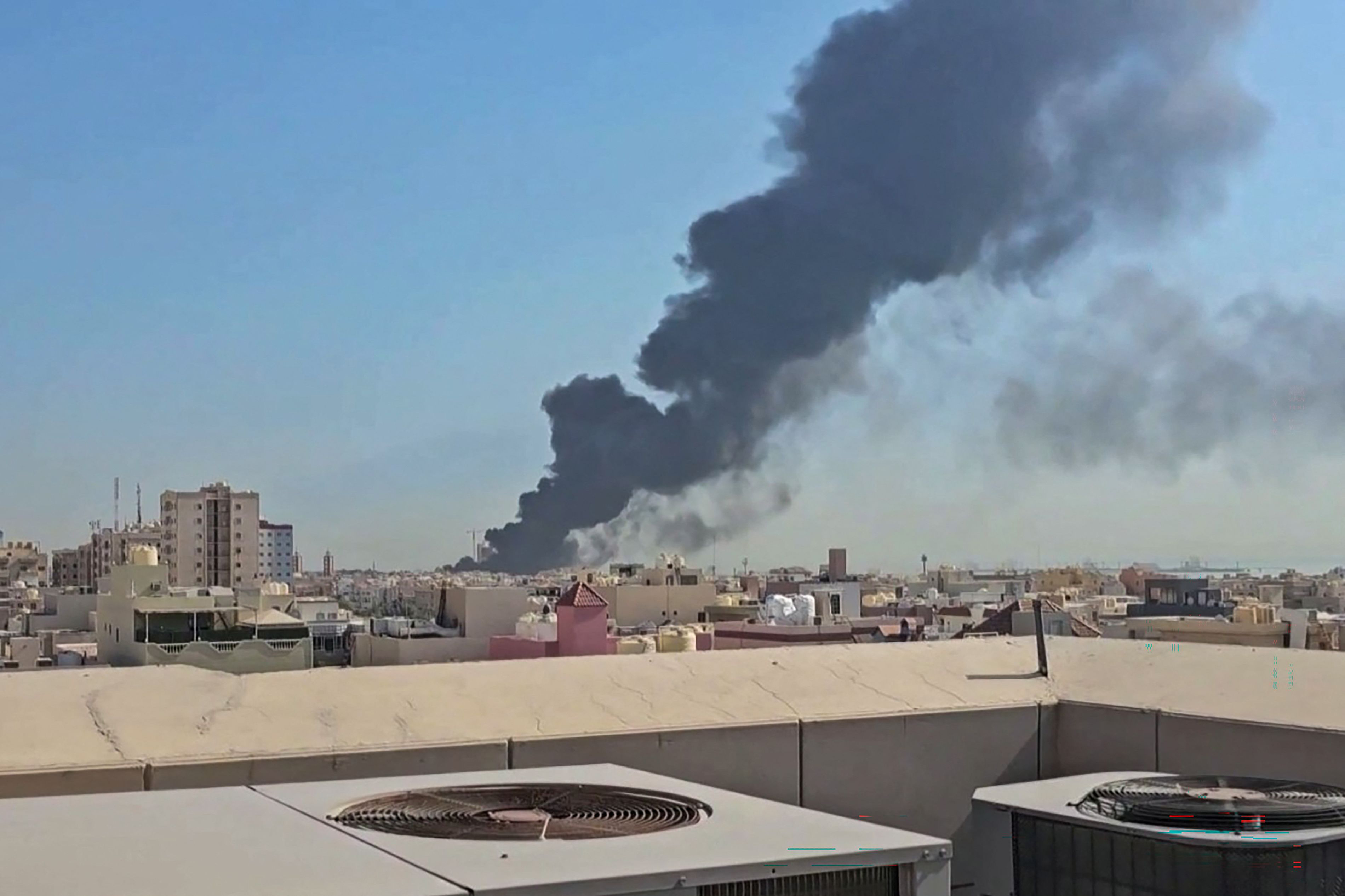
The latest violence follows a deadly attack in Jordan on Friday, where an Iranian drone and missile strike on a military base resulted in the deaths of two American service members. One additional soldier remains missing, while four others required hospitalization. In response, the United States Central Command initiated a series of strikes targeting Iranian military logistics, surveillance sites, and maritime capabilities. According to the U.S. Military, these operations are intended to swiftly punish the Revolutionary Guard.
Media additions

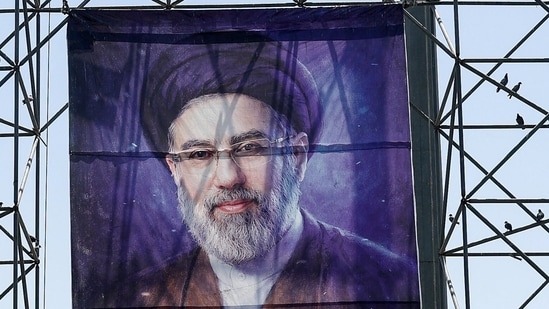
Tehran’s leadership has responded with extreme defiance. In a statement broadcast on state television on Saturday, the supreme leader, Mojtaba Khamenei, warned that Iran and its regional allies — referred to as the "Axis of Resistance" — possess "unforgettable lessons" for the United States. Khamenei declared that the memorandum of understanding signed between the two nations last month is now "utterly worthless and invalid."
The diplomatic breakdown appears total. Deputy Iranian Foreign Minister Kazem Gharibabadi confirmed on Saturday that Tehran has suspended all commitments under the interim deal, accusing Washington of repeated violations. Iranian military officials, including Major General Mohsen Rezaei, have warned that the country will no longer limit itself to proportional retaliatory strikes, indicating a potential shift toward full-scale offensive operations if U.S. Attacks continue.
The scope of the conflict has expanded rapidly beyond military targets, with civilian infrastructure now at the center of the exchange. According to reports from Iranian state media, recent U.S. Strikes have hit civilian infrastructure, including bridges, railway lines, and critical desalination plants. The Iranian health ministry reported that 50 people have been killed and over 500 injured since the fighting resumed.
The impact of the strikes is being felt across the Gulf, as the conflict draws in neighboring states:
- Kuwait: Strikes attributed to Iran have damaged oil facilities and power infrastructure. Authorities in Kuwait reported major damage and injuries among facility workers.
- Bahrain: The Iranian army reported targeting a U.S. Air base, while local authorities confirmed air defenses repelled a wave of Iranian attacks.
- Jordan: Beyond the fatal base strike, Jordan’s armed forces have actively intercepted missiles flying over their territory.
Economic indicators reflect the deepening instability. Oil prices have seen significant movement, with Brent crude futures rising nearly 3% as markets react to the potential for prolonged supply chain disruptions. The battle for the Strait of Hormuz, a transit point that previously carried roughly 20% of global oil supplies, has intensified. Iran effectively blocked the route since February, using it as leverage against a concurrent U.S. Naval blockade of its own ports.
As the conflict continues, the humanitarian cost grows. In Iran, residents have reported significant economic hardship, including soaring inflation and the loss of access to basic services. With both sides declaring the previous peace accord over, the conflict shows no sign of ending, leaving global energy markets on edge as the United States and Iran continue their cycle of retaliation.
How significant is this development?
Contribute your assessment to the aggregated reader sentiment ledger.
Frequently Asked Questions
Key questions answered in this reportWhat is the key development in: Iran threatens US with unforgettable lessons after military deaths?
The United States and Iran have entered a cycle of retaliation following a drone strike in Jordan, leading to the collapse of a recent peace agreement.
Why is this World development significant for the UK?
This report covers critical events in our World beat. Independent reporting monitors related UK statements, regulatory shifts, and public responses as further verified details emerge.
How was this reporting corroborated and verified?
Newsarchy UK compiles and cross-references reporting from primary reporting from independent.co.uk and cross-checked wire reports. All coverage adheres to published editorial standards.
When was this report published?
This briefing was published on July 19, 2026 and is permanently cataloged in the Newsarchy UK World archives.