Iran and US trade tanker attacks in Strait of Hormuz escalation
Tensions in the Strait of Hormuz escalated sharply after the US military struck three Iranian oil tankers and Tehran responded with retaliatory shipping attacks.
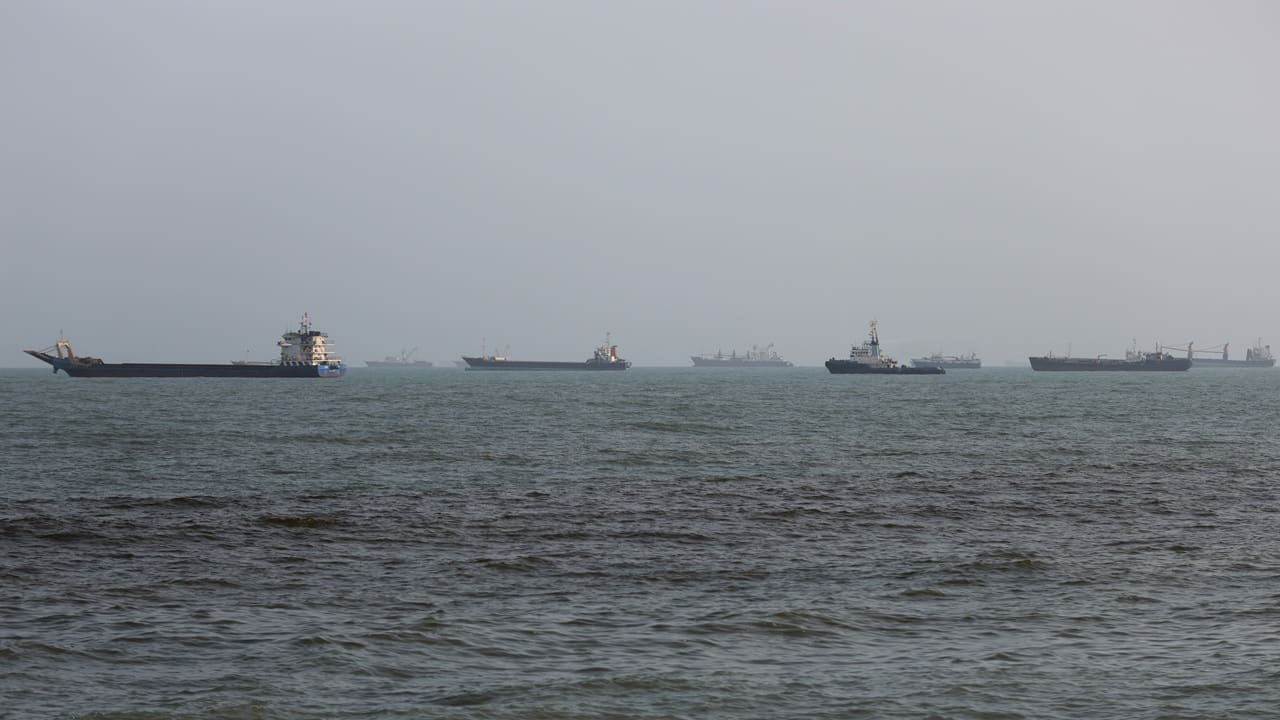
- Core Development: Tensions in the Strait of Hormuz escalated sharply after the US military struck three Iranian oil tankers and Tehran responded with retaliatory shipping attacks.
- Beat Context: Categorized under World with independent corroboration.
- Reporting Depth: 3 minute analytical read synthesized from verified newsroom sources.
Tensions in the Strait of Hormuz have escalated sharply as Washington and Tehran traded retaliatory strikes on shipping vessels, shattering a brief period of relative calm in the six-month conflict, according to regional reporting and military officials. The maritime violence erupted after American forces targeted three Iranian oil tankers in response to ballistic missile attacks directed at United States Navy warships patrolling the vital waterway.
Central Command stated that the Suezmax-sized tanker Kylo was completely destroyed and sunk in the Gulf of Oman after its crew was directed to abandon ship. Two additional tankers, the Stark 1 and the Downy, were disabled off the coast of Jask and Kharg Island, respectively, as reported by Moneycontrol.
Media additions
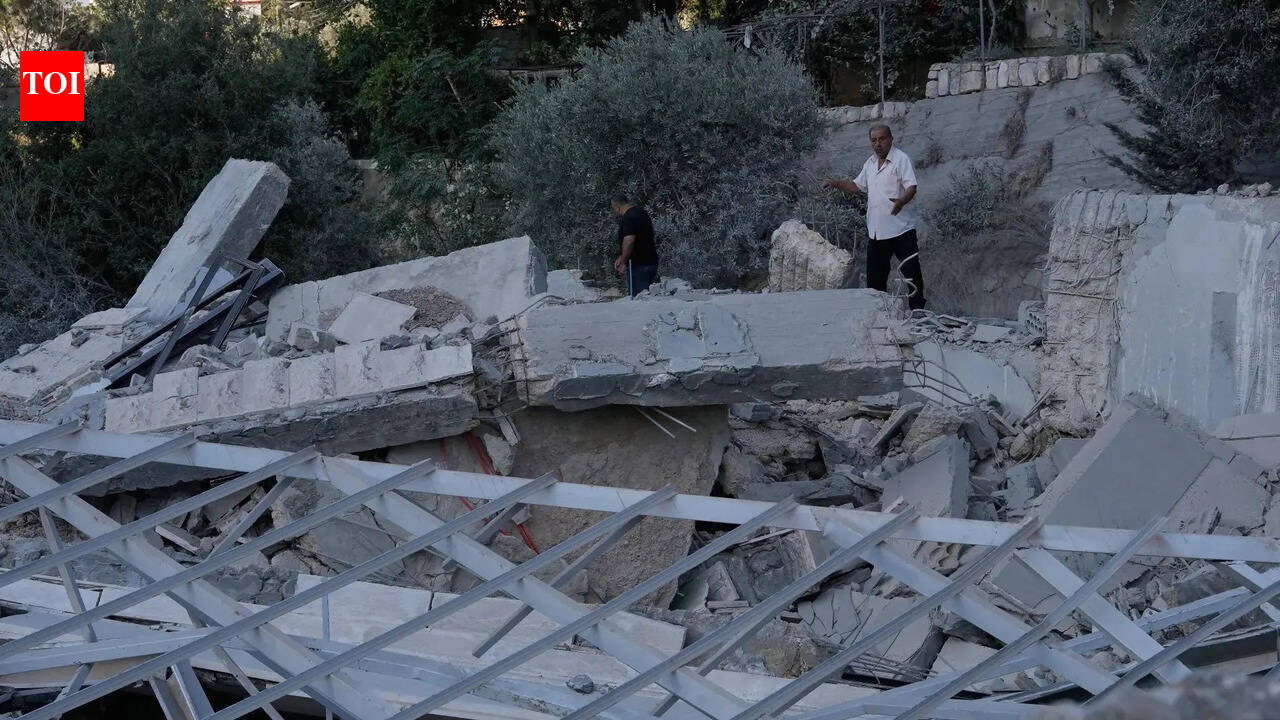

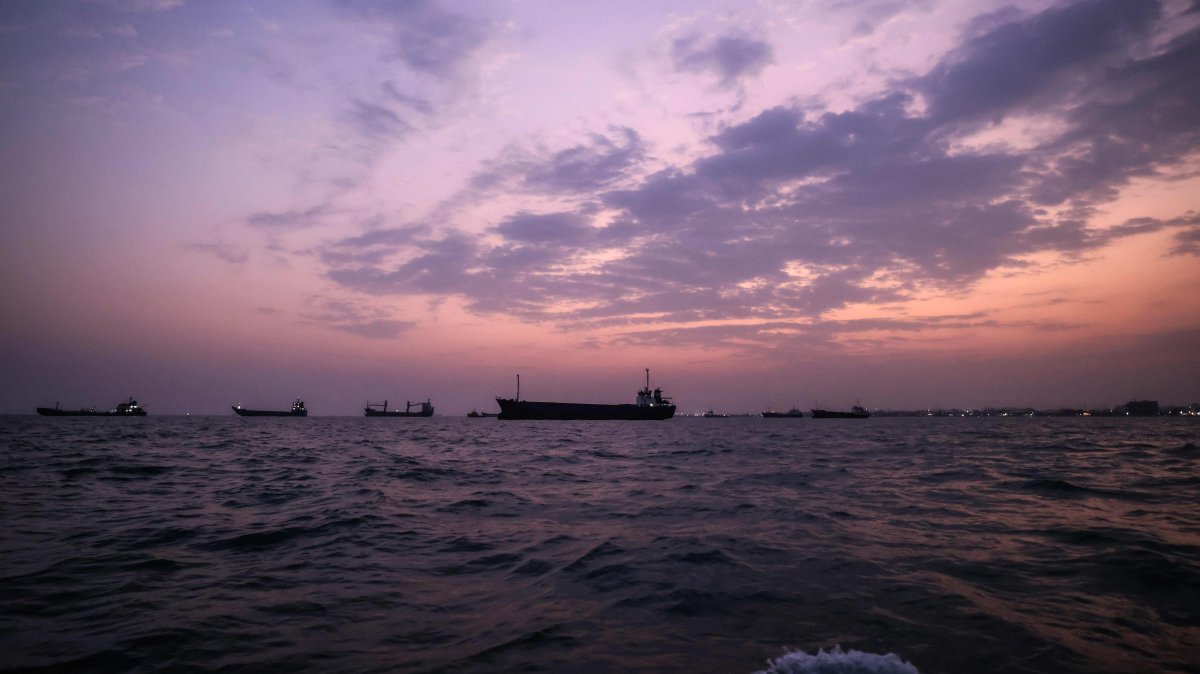
Iranian state media confirmed the strikes on its oil vessels and reported that Tehran answered with its own wave of attacks. The Islamic Revolutionary Guard Corps announced that it had targeted three oil tankers traversing unauthorized routes through the Strait of Hormuz, alongside three other vessels connected to the United States. Furthermore, Iranian forces claimed to have struck an American military unmanned surface vessel attempting to enter the strategic chokepoint, as detailed by Daily Sabah. However, Capt. Tim Hawkins, spokesman for United States Central Command, rejected the assertion regarding the drone, telling Orlando Sentinel that the report was a total lie.
The exchange underscores the persistent vulnerability of the strait, a critical artery carrying a significant share of global oil and liquefied natural gas. According to International Business Times, the waterway has remained locked in a lethal stalemate since the conflict began with joint United States and Israel strikes on World coverage. Analysts note that neither Washington nor Tehran has managed to fully control or secure the shipping lane. While American naval escorts have helped facilitate the transit of millions of barrels of oil, ongoing attacks have deterred many commercial operators from utilizing the route, keeping overall transit volumes well below prewar levels.
| Vessel / Asset | Affiliation | Location | Status Reported |
|---|---|---|---|
| M/T Kylo | Iranian Shadow Network | Gulf of Oman | Destroyed and sunk |
| M/T Stark 1 | Iranian Shadow Network | Near Jask | Disabled |
| M/T Downy | Iranian Shadow Network | Near Kharg Island | Disabled |
| Two U.S. Warships | United States Navy | Strait of Hormuz / Gulf | Evaded incoming missiles |
| Unmanned Surface Vessel | United States Navy | Strait of Hormuz | Claimed struck by Iran; denied by U.S. |
Political leaders on both sides adopted unyielding positions following the latest clashes. Mohammad Bagher Qalibaf, speaker of Iran’s parliament, warned that the rules of engagement had fundamentally shifted.
Fathollah Tavassoli, spokesperson for the Iranian parliament’s economic committee, added that Tehran would resist all external economic and political pressure, according to The Times of India."From now on, any aggression against Iran’s interests and security will receive a faster, heavier and more painful response,"
Mohammad Bagher Qalibaf, Iranian Parliament Speaker, via Telegram
In Washington, administration officials sought to minimize the domestic political fallout of the protracted conflict. President Donald Trump described the confrontation as small potatoes, while Vice President JD Vance expressed reluctance to categorize the engagement as a full-scale war. Iranian Foreign Minister Abbas Araghchi engaged in telephone discussions with his Saudi and Turkish counterparts regarding security in the Strait of Hormuz. Meanwhile, international bodies and regional governments have criticized separate geopolitical developments, including Israeli proposals concerning population movements in Gaza, warning of severe international consequences.
As the conflict moves deeper into its seventh month, attention turns to international shipping compliance and upcoming multilateral meetings. Observers will monitor whether the United States expands its naval protection operations or enacts further financial penalties against entities sustaining Iran's oil export networks, while Tehran maintains its restrictions on unauthorized commercial transit through the contested strait.
How significant is this development?
Contribute your assessment to the aggregated reader sentiment ledger.
Frequently Asked Questions
Key questions answered in this reportWhat is the key development in: Iran and US trade tanker attacks in Strait of Hormuz escalation?
Tensions in the Strait of Hormuz escalated sharply after the US military struck three Iranian oil tankers and Tehran responded with retaliatory shipping attacks.
Why is this World development significant for the UK?
This report covers critical events in our World beat. Independent reporting monitors related UK statements, regulatory shifts, and public responses as further verified details emerge.
How was this reporting corroborated and verified?
Newsarchy UK compiles and cross-references reporting from primary reporting from AP News and cross-checked wire reports. All coverage adheres to published editorial standards.
When was this report published?
This briefing was published on September 6, 2026 and is permanently cataloged in the Newsarchy UK World archives.


