US detects Iranian plans for possible dirty bomb attack in Washington
US intelligence agencies have detected Iranian plans for potential attacks against senior Trump administration officials in Washington, DC, involving radioactive dirty bombs or chemical weapons.
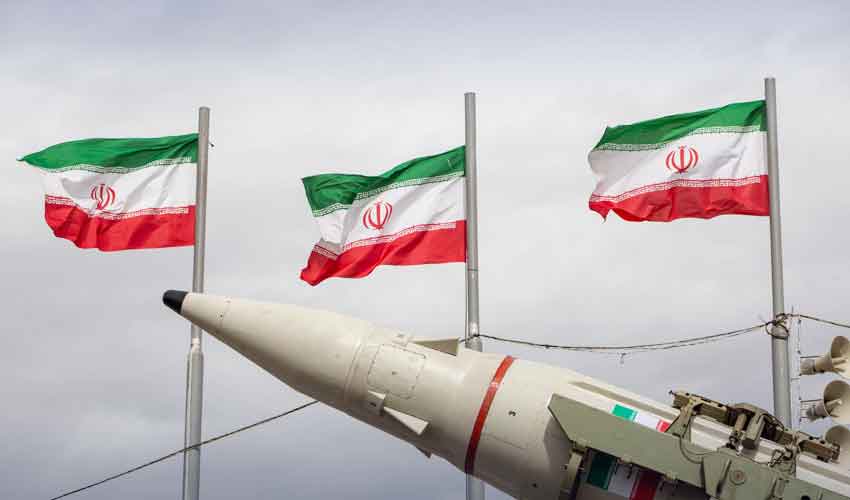
US intelligence agencies have detected Iranian plans for potential attacks against senior administration figures in Washington, DC, involving radioactive dirty bombs or chemical weapons. Seven American officials familiar with the intelligence outlined the plotting, which has triggered heightened security concerns and emergency contingency planning across the US government.
Officials remain divided over whether Tehran possesses the operational capability or intention to carry out such an attack. Sources familiar with the intelligence noted that the plotting appears to be an effort by Iran to develop potential retaliation options rather than evidence of an imminent strike. Two sources stated that the intelligence included specific locations and potential targets in Washington, raising concerns among American national security officials.
Media additions

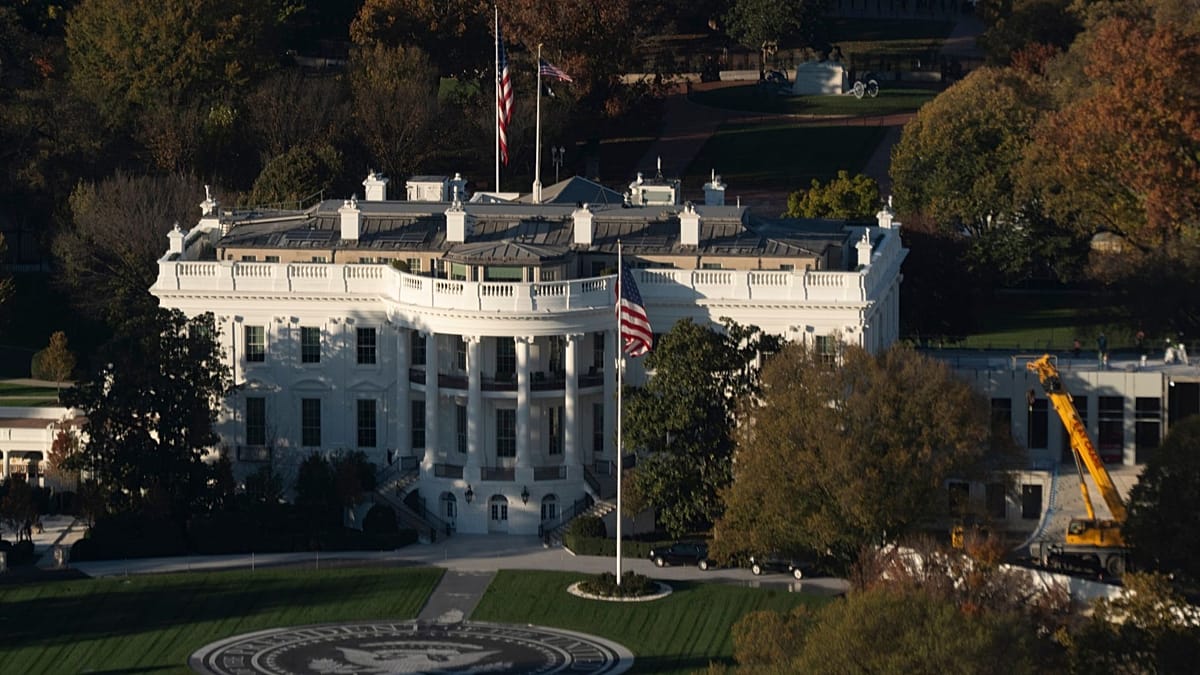
Escalating Security and Cabinet Precautions
The intelligence prompted several meetings among US officials over the past week to discuss possible responses and preventive measures. Treasury Secretary Scott Bessent was moved into military housing last week following threats linked to Iran.
Intercepted Iranian communications suggested that bomb-making materials may already have been hidden inside the United States. Officials remain divided over the credibility of these communications, though some security personnel believe radioactive materials or chemical agents may have been brought into the country years or decades ago. Operatives would not necessarily need to cross the American border, as Tehran could potentially recruit individuals already living in the United States to assemble or detonate a weapon. One source familiar with the intelligence remarked that porous border security over the past decade could have made it relatively easy for operatives to enter, acquire components, and position them.
A dirty bomb combines conventional explosives with radioactive material to spread contamination across surrounding areas. Experts note it does not produce a nuclear-fission explosion and is considerably less destructive than a nuclear weapon, but it can disperse dangerous radioactive substances over several city blocks or miles. One source described the weapon as a weapon of terror, not a weapon of precision
, comparing its impact to a suicide bombing and noting that it can make people sick and leave certain areas uninhabitable.
| Reporting Aspect | Details & Assertions | Official / Source Position |
|---|---|---|
| Targeting Intelligence | Specific locations and potential targets identified in Washington, DC. | Seven US officials cited in intelligence reports; contested by the Iranian UN mission. |
| Homeland Security Status | Contingency planning deemed prudent; cabinet members relocated to military bases. | White House spokesperson Lauren Bis stated there are no credible threats to the homeland. |
| Chemical Weapons Risk | Assessments indicate potential chemical threats against US personnel in the Middle East. | Iranian Foreign Ministry spokesperson Esmaeil Baghaei called allegations baselessand wholly illegitimate. |
Official Responses and Surveillance Concerns
White House spokesperson Lauren Bis maintained that the administration monitors all potential threats, emphasizing that at this time there are no credible threats to the homeland
. Meanwhile, Iran's diplomatic mission to the United Nations in New York issued a statement rejecting the allegations, asserting that Tehran considers the use of chemical weapons under any circumstances to be wholly illegitimate and categorically refuting the claims.
The intelligence revelations coincide with broader geopolitical tensions, including ongoing confrontations and regional instability in the Strait of Hormuz. Concurrently, US intelligence agencies have faced scrutiny regarding their surveillance capabilities following the expiration of Section 702 of the Foreign Intelligence Surveillance Act (FISA) in June. Attorney General Todd Blanche, Director of National Intelligence Jay Clayton, and CIA Director John Ratcliffe recently urged congressional leaders in a letter to reauthorize the provision. They warned that delays would put the lives of both Americans in the homeland and troops stationed abroad at risk in the heightened threat environment briefed to the Gang of 8.
What to Watch Next
- Congressional decisions regarding the reauthorization of Section 702 FISA surveillance authorities ahead of existing order expirations.
- The progression of diplomatic talks, negotiations concerning the Strait of Hormuz, and regional de-escalation efforts.
- Potential updates from intelligence committees following classified briefings delivered to congressional leaders regarding domestic and regional security threats.