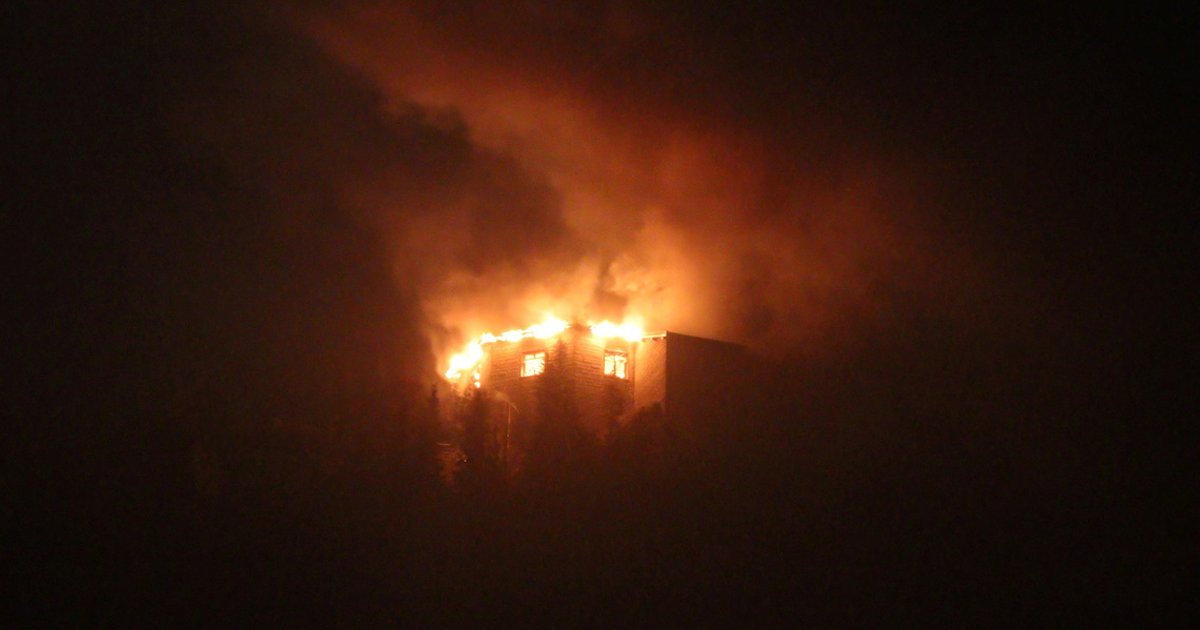
Iranian forces target US drone vessel in Strait of Hormuz
Tensions escalated in the Strait of Hormuz after Iranian forces claimed to target a US drone vessel, an assertion denied by Washington amid naval clashes.
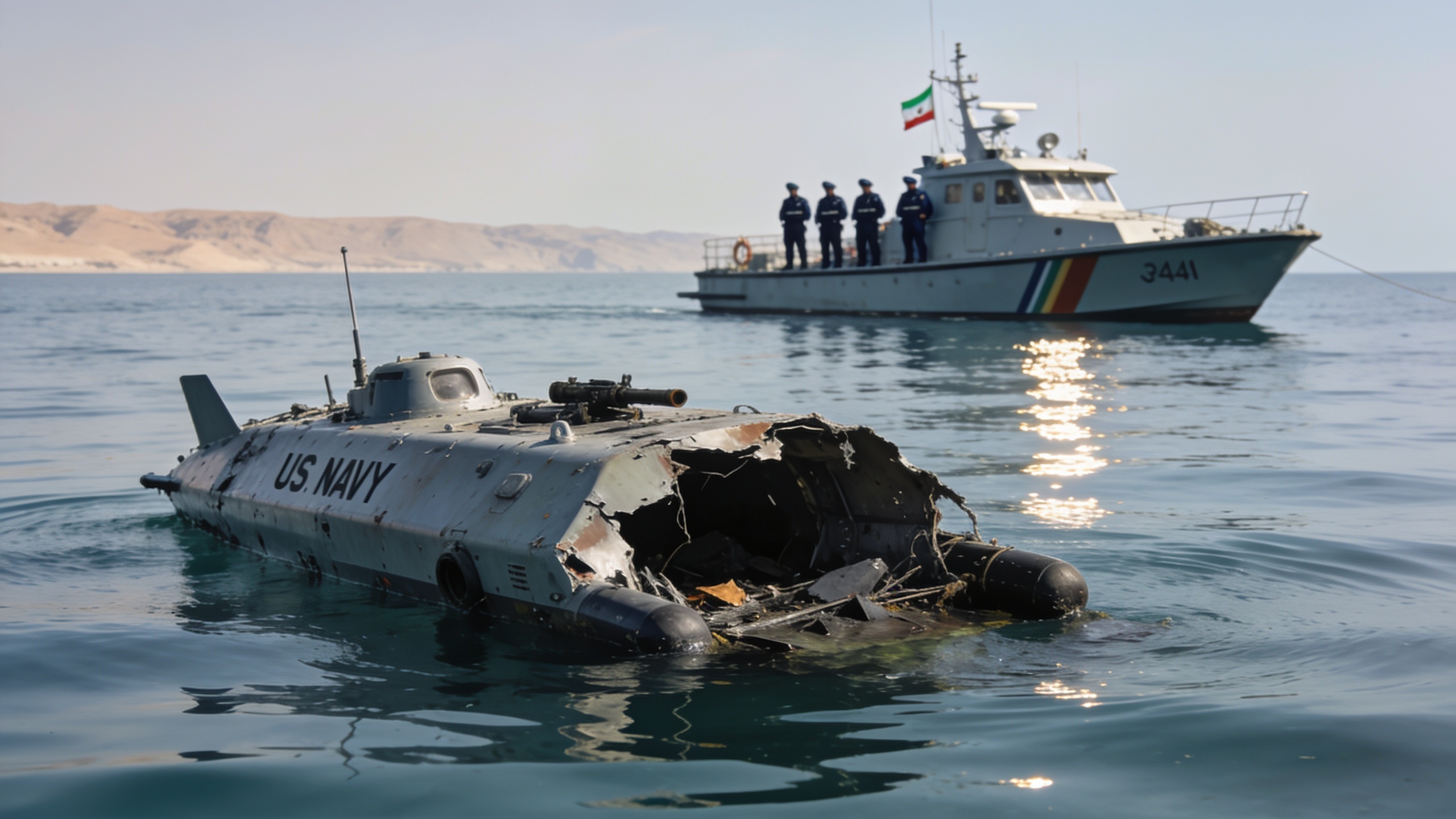
- Core Development: Tensions escalated in the Strait of Hormuz after Iranian forces claimed to target a US drone vessel, an assertion denied by Washington amid naval clashes.
- Beat Context: Categorized under World with independent corroboration.
- Reporting Depth: 3 minute analytical read synthesized from verified newsroom sources.
Tensions in the vital Middle East shipping corridor escalated sharply when Iranian forces targeted an unmanned United States vessel attempting to enter the Strait of Hormuz, prompting an immediate and total denial from Washington. The maritime confrontation sits at the heart of an unfolding series of escalations that threaten international energy supplies and commercial navigation in the Persian Gulf and Gulf of Oman.
The latest flare-up began after a period of relative calm that followed earlier fighting in the conflict, which first erupted with U.S. And Israeli actions against Iran. According to regional reports, on-and-off fighting has persisted as diplomatic negotiations collapsed, pushing both nations back into a cycle of military and economic retaliation. The Islamic Revolutionary Guard Corps asserted control over the strategic waterway, stating via Iranian state media that its forces launched an attack on an unmanned surface vessel off the south coast of Iran for breaching a protected zone.
Media additions
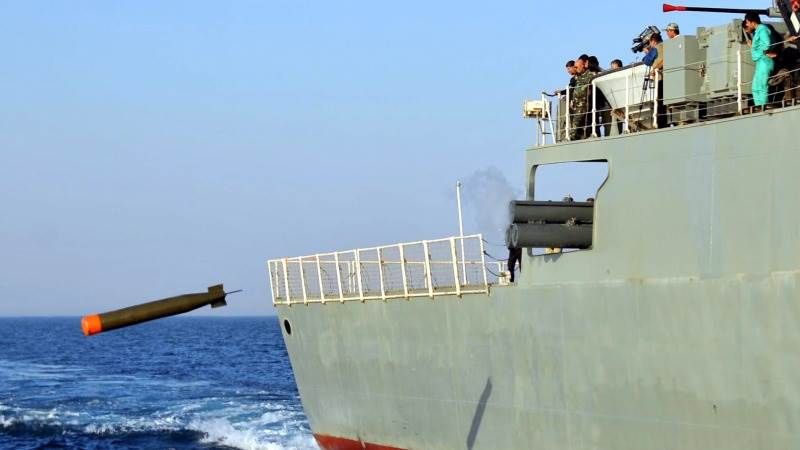
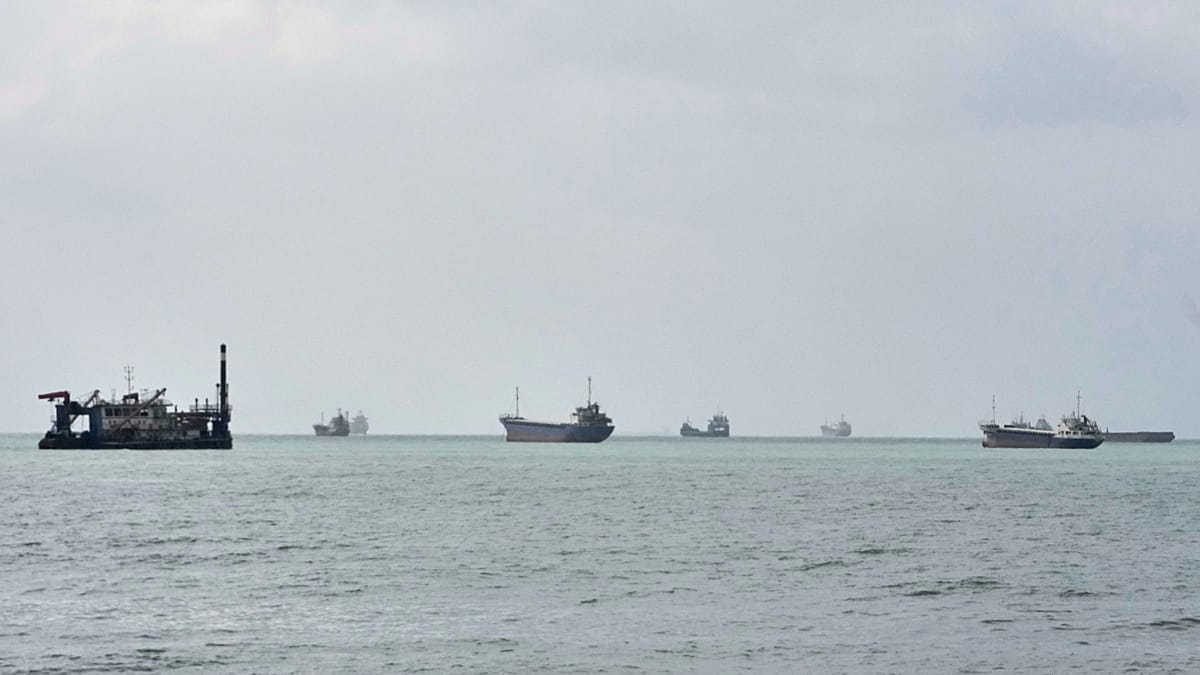

Those claims were swiftly rejected across the Atlantic and by regional military authorities. A spokesman for the U.S. Central Command called the Iranian assertion a total lie
. Additional reporting highlighted statements from Captain Tim Hawkins, who reiterated that reports originating from Iranian state media regarding the drone strike were entirely false.
The disputed drone incident followed heavy kinetic exchanges at sea. In response to what the U.S. Termed unprovoked attacks, American forces disabled or destroyed three Iranian crude oil carriers. According to maritime reports, the disabled vessels included the M/T Downy off Kharg Island and the M/T Stark 1 near Jask, while the unladen tanker M/T Kylo was destroyed in the Gulf of Oman.
Defense experts interviewed by public media noted that fully securing the strait against asymmetric threats remains an immense logistical challenge.
The conflict traces its origins to late February, when U.S. And Israeli operations targeted Iran. Although a temporary ceasefire was announced in June, fighting has periodically resumed as diplomatic efforts stalled. According to international coverage, the U.S. Administration adopted a dual approach, pairing military defense of the shipping corridor with financial sanctions targeting institutions handling Iranian revenue. Meanwhile, Iranian leadership has signaled its intent to withstand economic pressure through its existing trade networks and shadow tanker fleets.
Tehran's primary leverage in the ongoing hostilities centers on the Strait of Hormuz, a crucial artery for global oil and natural gas shipments. Diplomatic reports indicate that Western powers have sought to refer Iran to the United Nations Security Council over non-compliance with nuclear non-proliferation obligations. In response, Iranian officials have asserted strict jurisdiction over the waterway, warning foreign vessels against unauthorized transit and threatening immediate retaliation for any perceived incursions.
The recent naval clashes involved intense exchanges between American warships and Iranian missile, drone, and small-boat units. U.S. Central Command confirmed that American forces countered multiple incoming threats while protecting commercial shipping under an operation designed to guide stranded vessels out of the Persian Gulf. Iranian representatives, however, maintained that their defensive and offensive maneuvers successfully contested foreign naval presence in the strait.
The broader regional fallout has extended beyond the immediate waters of the Persian Gulf. Neighboring nations have reported incoming projectiles and regional security incidents, drawing expressions of concern from allied governments. Diplomatic channels remain active as international observers monitor the situation, with regional actors calling for de-escalation while military commands maintain heightened readiness across the Gulf of Oman and surrounding territorial waters.
As the standoff continues, attention turns to upcoming diplomatic briefings and potential international resolutions at the United Nations Security Council aimed at addressing maritime security and mine clearance in the strait. Both Washington and Tehran have indicated that their respective military postures and economic countermeasures will remain in place until further notice.
How significant is this development?
Contribute your assessment to the aggregated reader sentiment ledger.
Frequently Asked Questions
Key questions answered in this reportWhat is the key development in: Iranian forces target US drone vessel in Strait of Hormuz?
Tensions escalated in the Strait of Hormuz after Iranian forces claimed to target a US drone vessel, an assertion denied by Washington amid naval clashes.
Why is this World development significant for the UK?
This report covers critical events in our World beat. Independent reporting monitors related UK statements, regulatory shifts, and public responses as further verified details emerge.
How was this reporting corroborated and verified?
Newsarchy UK compiles and cross-references reporting from primary reporting from CBS News and cross-checked wire reports. All coverage adheres to published editorial standards.
When was this report published?
This briefing was published on September 6, 2026 and is permanently cataloged in the Newsarchy UK World archives.