Iraq seeks US exemptions for Iranian flights on humanitarian grounds
Iraq is in direct talks with the United States to secure exemptions from American economic measures that have severed air links between the nations.

- Core Development: Iraq is in direct talks with the United States to secure exemptions from American economic measures that have severed air links between the nations.
- Beat Context: Categorized under World with independent corroboration.
- Reporting Depth: 3 minute analytical read synthesized from verified newsroom sources.
Iraq is engaged in direct diplomatic negotiations with the United States to secure vital exemptions from sweeping American economic measures that have severed air links between the two neighbouring nations. The official push comes as regional hubs grapple with severe travel disruptions following aggressive new enforcement actions by Washington targeting Iran's aviation infrastructure. The diplomatic intervention was confirmed in an official statement released on Saturday by the media office of Iraqi Prime Minister Ali al-Zaidi.
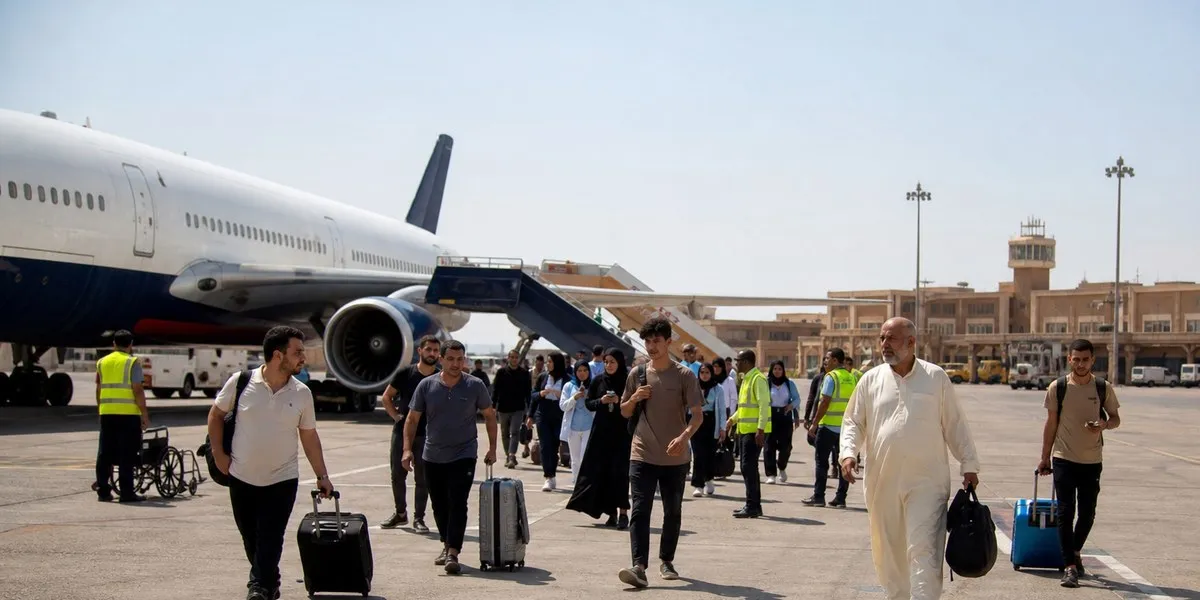
According to the government, Baghdad is seeking waivers to permit specific flight operations into designated Iraqi airports on urgent humanitarian grounds. These include facilitating travel for medical patients, university students, and religious pilgrims moving between the two Shiite-majority nations, alongside the broader interests of ordinary civilians. The statement urged all involved parties to pursue constructive dialogue to resolve current conflicts.
Media additions
"As the Iraqi government works to de-escalate tensions in the region, it emphasizes that the continuation of crises further complicates the situation,"
Prime Minister Ali al-Zaidi's media office, via Facebook
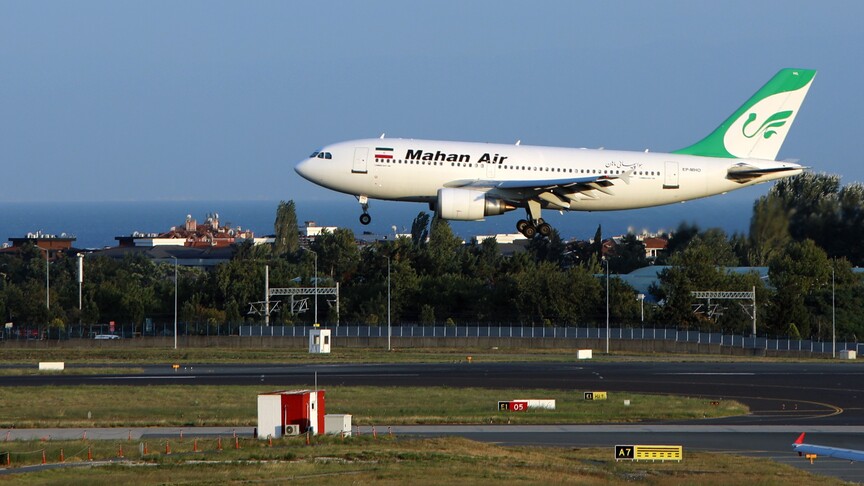
The restrictions took effect after US Treasury Secretary Scott Bessent announced that operations involving Iranian airlines would be brought to a halt worldwide. As part of Washington's broader pressure campaign, the Treasury Department targeted entities tied to Iran's aviation sector, warning that any foreign company or airport providing fuel, ground-handling services, or ticket sales on behalf of sanctioned carriers would face severe penalties, including potential exclusion from the US financial system. The measures are part of President Donald Trump's "Operation Economic Outcast" to squeeze Tehran's economy.
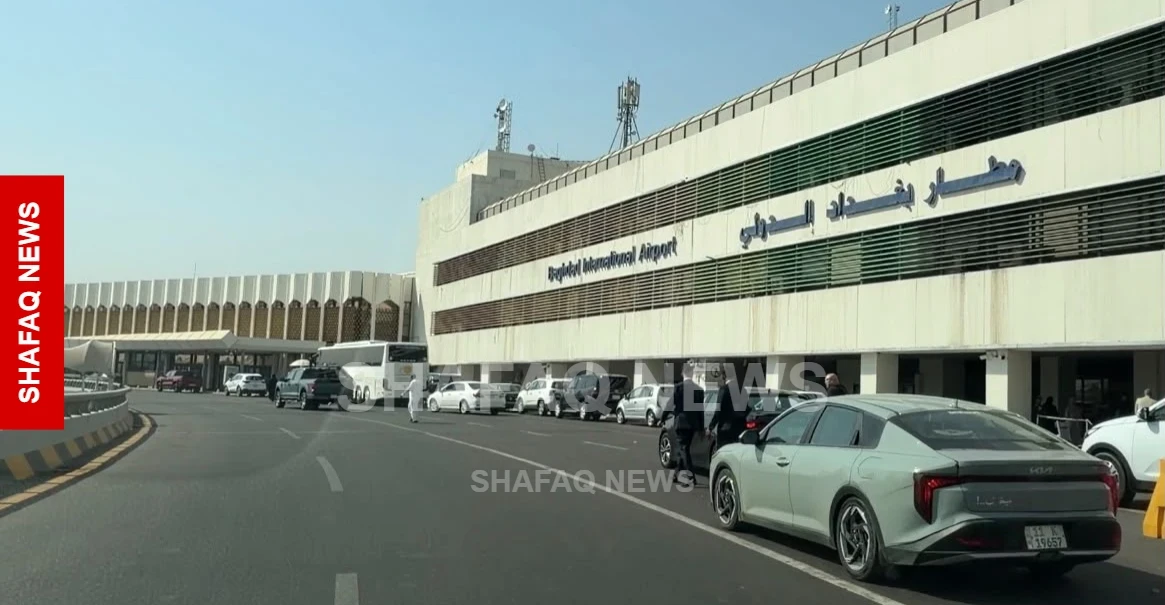
The impact on the ground has been immediate and disruptive. Airports across Iraq—including major facilities in Baghdad, Najaf, Erbil, and Sulaimaniyah—enforced the measures as ground-handling companies stopped servicing Iran-linked flights, bringing civilian air traffic to a standstill. Najaf International Airport, a critical pilgrimage destination for Shiite Muslims travelling to and from sacred shrines such as the Imam Ali shrine, suspended flights until further notice. The closure drew sharp protests, including an Iranian consulate post on X questioning the closure of the route to the city for Iranian pilgrims.
Passengers who relied on the aviation link have been forced onto gruelling land journeys exceeding 12 hours. Several travellers recounted scrambling for alternatives, expressing acute anxiety over potential interruptions to ongoing medical therapies or educational programmes across the border. Meanwhile, demonstrations organised by Iran-allied militias materialised on the streets of Baghdad in opposition to the sudden flight suspensions, and scholars and students from the Hawza of Najaf held a vigil against the halting of Iranian flights.
The crisis underscores the delicate geopolitical balancing act facing Iraq, which maintains close ties with both its western-backed partner in Washington and its powerful eastern neighbour. Analysts note that Baghdad is squeezed between competing pressures, suffering direct economic and logistical fallout from broader hostilities. Regional neighbours such as the United Arab Emirates and Oman have also enforced compliance with the aviation restrictions.
| Entity / Official | Action / Stated Position | Timeline / Effective Date |
|---|---|---|
| US Treasury Secretary Scott Bessent | Announced global grounding of Iranian airlines and threatened secondary sanctions | Measures effective globally starting Tuesday, September 23 |
| Iraqi Prime Minister Ali al-Zaidi's Office | Initiated direct talks with Washington seeking humanitarian airport exemptions | Announced on Saturday |
| Iraqi Airports (Baghdad, Najaf, Erbil, Sulaimaniyah) | Suspended all flights to and from Iran following ground handler service halts | Enforced progressively through the week ending Friday |
As of Saturday, no formal agreement or waiver granting relief to the shuttered Iraqi airports has been announced by Washington or Baghdad, leaving thousands of stranded pilgrims, students, and patients waiting for a breakthrough. Iraqi officials remain in contact with Iranian authorities, while Iranian ambassador to Iraq Mohammad Kazem al-Sadegh indicated that a new decision on flights is likely to be announced soon.
How significant is this development?
Contribute your assessment to the aggregated reader sentiment ledger.
Frequently Asked Questions
Key questions answered in this reportWhat is the key development in: Iraq seeks US exemptions for Iranian flights on humanitarian grounds?
Iraq is in direct talks with the United States to secure exemptions from American economic measures that have severed air links between the nations.
Why is this World development significant for the UK?
This report covers critical events in our World beat. Independent reporting monitors related UK statements, regulatory shifts, and public responses as further verified details emerge.
How was this reporting corroborated and verified?
Newsarchy UK compiles and cross-references reporting from primary reporting from Al Jazeera and cross-checked wire reports. All coverage adheres to published editorial standards.
When was this report published?
This briefing was published on September 26, 2026 and is permanently cataloged in the Newsarchy UK World archives.